What is the Price of an HDPE Pipe Extrusion Machine?
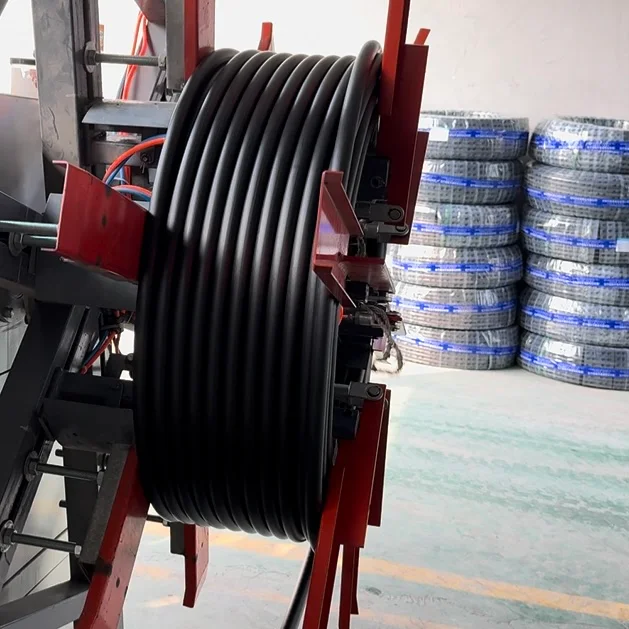
The price of an HDPE pipe extrusion machine depends on the pipe diameter range, output capacity, extruder configuration, automation level, electrical brands, and the downstream equipment required for the final pipe application.
For buyers, the better question is not only “How much does the machine cost?” but also “Which configuration can produce stable HDPE pipes with the right capacity, pipe quality, and long-term operating cost?”
At QTech Machinery, we provide customized plastic pipe extrusion solutions based on your raw material, pipe size range, target output, local voltage, workshop layout, and market application. Our advantages include OEM and ODM support, voltage configuration, full run test before delivery, complete documentation, and quotation within 24 hours.
1. What is the typical price of an HDPE pipe extrusion machine?
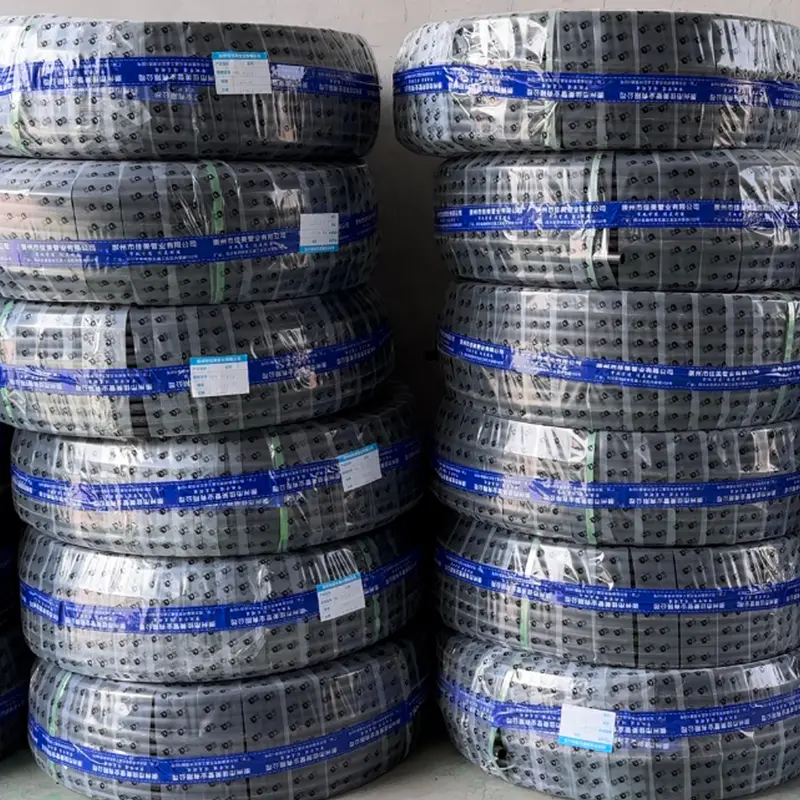
Short answer: The price of an HDPE pipe extrusion machine is usually determined by the pipe size range, production output, machine configuration, and automation level.
An HDPE pipe extrusion machine is not usually sold as one single machine. In most cases, buyers need a complete production line, including raw material feeding, drying, extrusion, mold, vacuum calibration, cooling, haul-off, cutting, and stacking.
A small HDPE pipe extrusion line for low output and small pipe diameters will cost less than a high-speed production line for medium or large pipe diameters. For example, a production line for Φ20–Φ110mm PE pipes requires a high-efficiency extruder, suitable pipe die, vacuum calibration tank, spray cooling tank, servo haul-off, chipless cutter, and pipe stacker.
The final price may vary depending on:
- Pipe diameter range
- Pipe wall thickness
- Required output in kg/h
- Main extruder model
- Co-extruder requirement
- Mold quantity
- Cooling tank length
- Haul-off structure
- Cutting method
- PLC and electrical component brands
- Local voltage and safety standard
- Packing, shipping, and after-sales service
At QTech Machinery, we first confirm your pipe specifications and production target, then our engineers recommend the correct line configuration instead of offering a random low-price machine.
2. What factors affect the price of an HDPE pipe extrusion line?
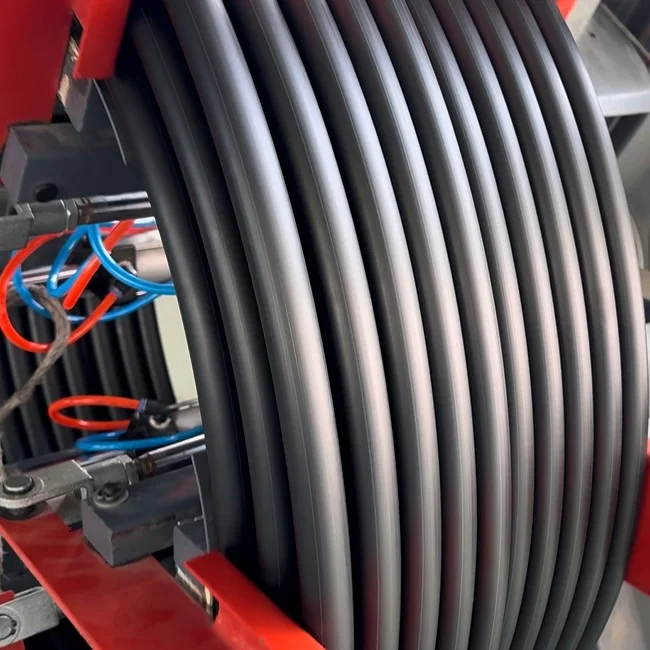
Short answer: The main price factors include extruder capacity, pipe diameter, die head design, downstream equipment, automation system, and electrical component brands.
Different customers may need different HDPE pipe production solutions. A buyer producing agricultural irrigation pipes may focus on stable output and cost control, while a buyer producing municipal water supply pipes may require more accurate wall thickness, stronger cooling, and higher production stability.
The following table shows the major factors that affect the machine price:
| Price Factor | Influence on Price | Why It Matters |
|---|---|---|
| Pipe diameter range | High | Larger pipe sizes need bigger molds, tanks, haul-off, and cutter |
| Output capacity | High | Higher kg/h requires a stronger extruder and cooling system |
| Extruder model | High | Screw diameter, L/D ratio, motor power, and gearbox affect cost |
| Mold quantity | Medium to High | More pipe sizes require more die tooling |
| Co-extruder | Medium | Needed for color marking lines or multi-layer production |
| Vacuum calibration tank | Medium | Affects pipe roundness and surface quality |
| Spray cooling tank | Medium | Longer cooling improves production stability |
| Haul-off machine | Medium | Servo haul-off improves speed accuracy |
| Cutting system | Medium | Chipless cutting is cleaner and more advanced |
| Electrical brands | Medium | ABB, Schneider, Siemens, or similar brands increase reliability |
| Automation level | Medium to High | PLC control, meter weight control, and automatic systems add cost |
| Local voltage | Low to Medium | Customized electrical design may affect the final quotation |
For example, in the QTech Machinery customer case for a Φ20–Φ110mm PE pipe extrusion line, the customer required stable output, reliable performance, accurate pipe weight control, smooth pipe forming, and easy operation. Therefore, the production line was configured as a complete solution instead of only a basic extruder.
Recommended internal reading:
- QTech Machinery Home
- Plastic Extrusion and Recycling Line Cases
- Customer Case: Φ20–Φ110mm PE Pipe Extrusion Line Project
- Plastic Pipe Making Machine Solutions
- Contact QTech Machinery for Quotation
3. How much does a Φ20–Φ110mm PE pipe extrusion line cost?
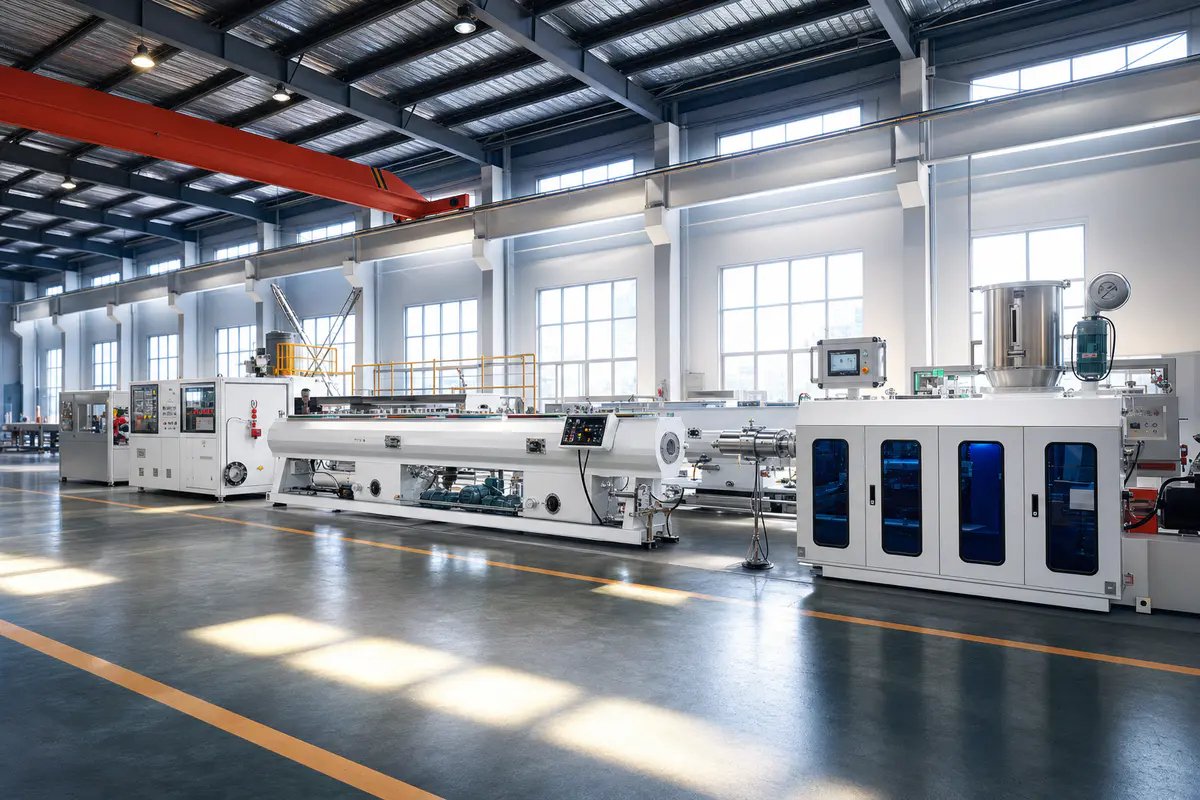
Short answer: A Φ20–Φ110mm PE pipe extrusion line price depends on output, pipe wall thickness, mold configuration, automation level, and local market requirements.
A Φ20–Φ110mm PE pipe extrusion line is one of the most common choices for customers who want to produce small and medium-diameter HDPE or PE pipes. These pipes are widely used in agricultural irrigation, cable protection, construction, infrastructure, industrial applications, and municipal engineering.
According to the QTech Machinery case, the customer needed to produce the following pipe sizes:
| Pipe Size | Common Application |
|---|---|
| 20mm | Small irrigation pipe, cable protection |
| 25mm | Water supply and agricultural use |
| 32mm | Irrigation and construction pipe |
| 40mm | Cable conduit and water pipe |
| 50mm | Industrial and building pipe |
| 63mm | Water supply and irrigation |
| 75mm | Infrastructure pipe |
| 90mm | Municipal and construction use |
| 110mm | Water supply, drainage, and cable protection |
In this case, the required output was 150–320kg/h, which means the machine had to be strong enough for continuous production while maintaining pipe quality.
The supplied solution included:
| System | Configuration |
|---|---|
| Feeding and drying | Automatic vacuum loader and hopper dryer |
| Main extrusion | SJ50/38 high-efficiency single screw extruder |
| Co-extrusion | SJ45/33 single screw co-extruder |
| Control | Meter weight control and electrical control system |
| Forming | Pipe mold and vacuum calibration |
| Cooling | Spray cooling system |
| Traction | Servo haul-off |
| Cutting | Chipless cutting system |
| Collection | Pipe stacking system |
This type of line is suitable for customers who need flexible production for multiple pipe sizes and stable long-term operation.
4. What configuration should I choose for an HDPE pipe extrusion machine?
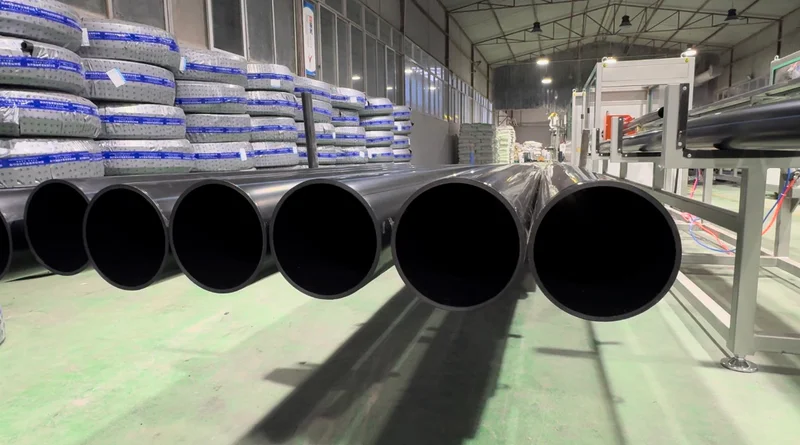
Short answer: You should choose the configuration according to pipe size, raw material, output requirement, pipe standard, and your local market application.
Choosing the right configuration is more important than only comparing machine prices. A lower-priced machine may reduce the initial investment, but if the output is unstable, pipe surface is poor, or wall thickness is inaccurate, the long-term production cost can be much higher.
A typical HDPE pipe extrusion line may include the following systems:
| Part | Function | QTech Machinery Advantage |
|---|---|---|
| Automatic vacuum loader | Transfers raw material to hopper | Saves labor and improves feeding stability |
| Hopper dryer | Removes moisture from material | Helps improve pipe surface quality |
| Main extruder | Melts and plasticizes HDPE material | High-efficiency screw design available |
| Co-extruder | Produces marking line or co-extruded layer | Suitable for color stripe pipes |
| Pipe die head | Forms pipe diameter and wall thickness | Customized according to pipe sizes |
| Vacuum calibration tank | Shapes and stabilizes pipe | Improves roundness and accuracy |
| Spray cooling tank | Cools pipe after forming | Supports stable continuous production |
| Haul-off machine | Pulls pipe at controlled speed | Servo control available |
| Cutting machine | Cuts pipe to required length | Chipless cutting available |
| Stacker | Collects finished pipe | Reduces labor and improves efficiency |
For the Φ20–Φ110mm PE pipe extrusion line, QTech Machinery supplied a configuration including automatic feeding, drying, extrusion, meter weight control, mold, vacuum calibration, spray cooling, servo haul-off, chipless cutting, and pipe stacking systems.
This configuration helps customers achieve:
- Stable output
- Smooth pipe surface
- Accurate pipe weight control
- Easy machine operation
- Efficient production for multiple pipe sizes
- Better long-term reliability
5. What customer case can help me understand the real HDPE pipe extrusion line configuration?
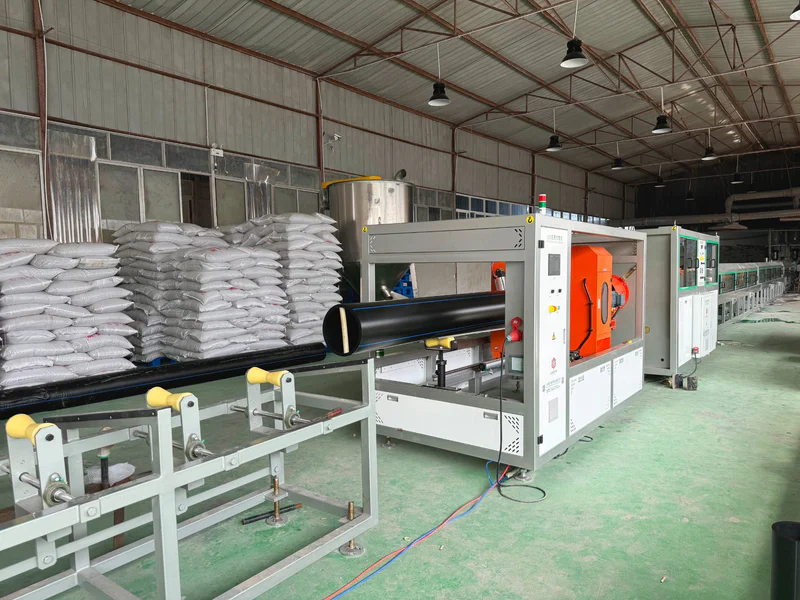
Short answer: The QTech Machinery Φ20–Φ110mm PE pipe extrusion line case is a practical reference for buyers who need a complete medium-size PE pipe production solution.
QTech Machinery supplied a complete Φ20–Φ110mm PE pipe extrusion line for an overseas customer. The line was designed for producing multiple PE pipe sizes with stable output, reliable performance, and efficient operation.
Project overview
| Item | Details |
|---|---|
| Project type | Extrusion line application |
| Product category | Plastic pipe making machine |
| Pipe range | Φ20–Φ110mm |
| Output | 150–320kg/h |
| Material | PE, HDPE, PP, PPR |
| Applications | Agricultural irrigation, cable protection, construction, infrastructure, industrial use, municipal engineering |
| Region | Global |
Customer requirements
The customer needed:
- A complete production line for Φ20–Φ110mm PE pipes
- Output of 150–320kg/h
- Accurate pipe weight control
- Smooth pipe forming
- Easy operation
- Support for multiple pipe sizes
QTech Machinery solution
QTech Machinery provided a full production line including:
- Automatic feeding system
- Drying system
- High-efficiency extrusion system
- Meter weight control system
- Pipe mold
- Vacuum calibration system
- Spray cooling system
- Servo haul-off system
- Chipless cutting system
- Pipe stacking system
You can view the original case here:
Customer Case: Φ20–Φ110mm PE Pipe Extrusion Line Project
This case shows that the machine price is closely related to the actual production target. Instead of buying a machine only by price, customers should choose a line that matches their product size range, raw material, output, and local market demand.
6. How should customers choose the right HDPE pipe extrusion machine?
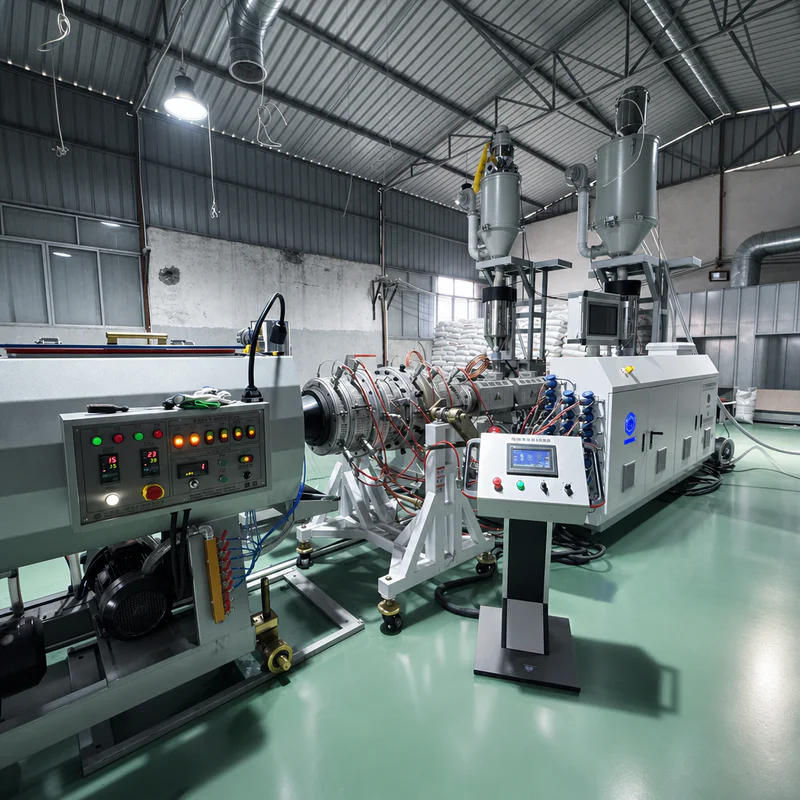
Short answer: Customers should confirm product specifications, output, raw material, factory conditions, budget, and after-sales requirements before requesting a quotation.
To help customers make a better purchasing decision, QTech Machinery recommends the following steps.
Step-by-step buying process
| Step | What the Customer Should Confirm | Why It Is Important |
|---|---|---|
| 1 | Pipe diameter range | Determines extruder, mold, tank, haul-off, and cutter size |
| 2 | Pipe wall thickness or pipe standard | Affects output, die design, and cooling requirement |
| 3 | Raw material type | HDPE, PE, PP, or PPR may need different screw design |
| 4 | Required output | Helps select the correct extruder capacity |
| 5 | Pipe application | Irrigation, cable conduit, municipal pipe, or industrial pipe |
| 6 | Local voltage and frequency | Ensures machine compatibility in your country |
| 7 | Workshop layout | Helps design the line length and installation plan |
| 8 | Automation level | Affects labor cost, operation difficulty, and price |
| 9 | Budget range | Helps engineers recommend the most suitable configuration |
| 10 | Delivery and service needs | Affects project schedule and after-sales planning |
Recommended information to send before quotation
When requesting a quotation, customers can send the following details:
- Target pipe diameter range
- Pipe wall thickness or SDR standard
- Raw material type
- Required output in kg/h
- Final pipe application
- Local voltage
- Factory layout or available workshop length
- Preferred electrical brands
- Automation requirement
- Destination port
- Expected delivery time
With this information, QTech Machinery can provide a more accurate technical proposal and price.
7. What products and documents can QTech Machinery provide for an HDPE pipe extrusion project?
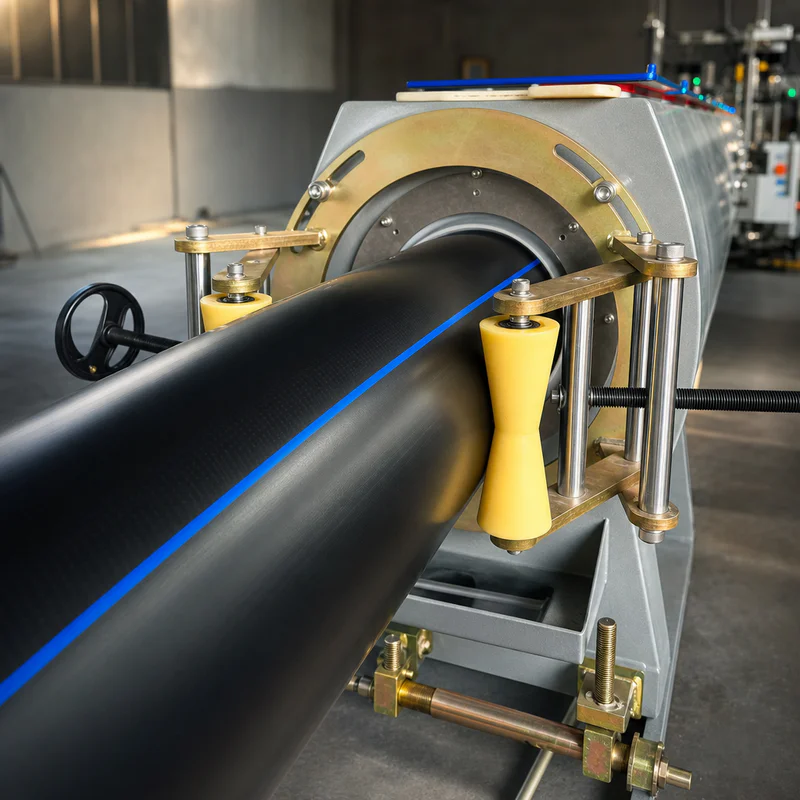
Short answer: QTech Machinery can provide complete extrusion line equipment, spare parts, technical documents, test reports, and after-sales support documents.
A complete HDPE pipe extrusion project is not only about machine supply. Professional documentation is also important for installation, operation, maintenance, customs clearance, and long-term production.
Product list we can provide
| Product Category | Available Products |
|---|---|
| Material handling system | Vacuum loader, hopper dryer, storage hopper |
| Main extrusion system | Single screw extruder, high-efficiency extruder |
| Co-extrusion system | Color line co-extruder, multi-layer co-extruder |
| Pipe forming system | Pipe die head, sizing sleeve, calibration tools |
| Cooling system | Vacuum calibration tank, spray cooling tank |
| Haul-off system | Belt haul-off, caterpillar haul-off, servo haul-off |
| Cutting system | Planetary cutter, chipless cutter, saw cutter |
| Collection system | Pipe stacker, coiler for small pipes |
| Control system | PLC control cabinet, meter weight control system |
| Auxiliary equipment | Chiller, air compressor, crusher, mixer, printer |
| Spare parts | Heating rings, thermocouples, belts, blades, sensors |
Documents we can provide
| Document | Purpose |
|---|---|
| Commercial invoice | Customs clearance and payment record |
| Packing list | Shipment checking and customs declaration |
| Bill of lading support | International shipping documentation |
| Machine layout drawing | Workshop preparation and installation |
| Electrical diagram | Maintenance and troubleshooting |
| Operation manual | Daily operation guidance |
| Maintenance manual | Long-term machine care |
| Spare parts list | Future parts ordering |
| Test running video | Confirms machine performance before delivery |
| Factory acceptance test report | Records test condition and machine status |
| Installation guide | Helps local team install the line |
| Warranty document | Clarifies after-sales responsibility |
| CE-related documents if required | Supports market compliance when applicable |
QTech Machinery can also provide full run test before delivery, which helps customers check the production line performance before shipment.
8. Is it better to buy a low-price or high-quality HDPE pipe extrusion machine?
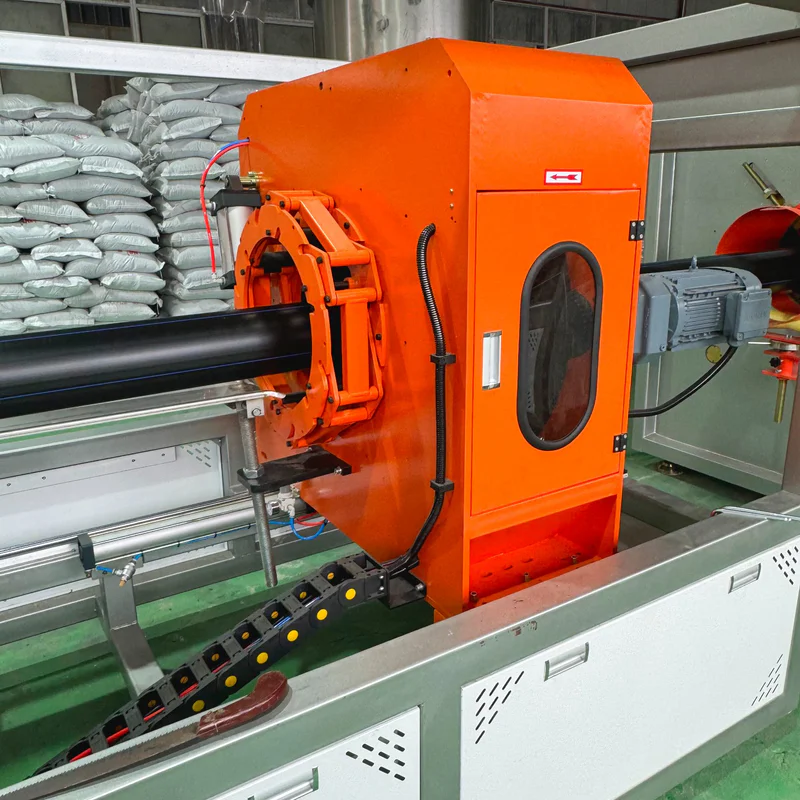
Short answer: A high-quality HDPE pipe extrusion machine is usually a better long-term investment because it reduces downtime, improves pipe quality, and lowers operating cost.
When comparing quotations, buyers should not only check the total machine price. A very low price may mean a smaller motor, weaker gearbox, shorter cooling tank, low-quality electrical parts, poor screw design, or insufficient after-sales support.
A better way is to compare the total value of the machine:
| Comparison Item | Low-Price Machine Risk | High-Quality Line Benefit |
|---|---|---|
| Output | May not reach promised capacity | Stable kg/h production |
| Pipe quality | Uneven wall thickness or rough surface | Better roundness and smooth surface |
| Energy consumption | Less efficient motor or screw design | Better energy efficiency |
| Downtime | More frequent repair risk | More stable long-term operation |
| Spare parts | Difficult to replace | Clear spare parts list and support |
| After-sales | Limited support | Technical guidance and documents |
| Production flexibility | Limited pipe sizes | Multiple pipe specifications available |
For customers producing HDPE pipes for water supply, irrigation, cable protection, or infrastructure, stable production is especially important. Machine downtime can lead to delayed orders, wasted material, and higher labor costs.
QTech Machinery focuses on providing machines that match the buyer’s market instead of offering one fixed standard model. Every line can be configured according to output, raw material, pipe size range, and local voltage.
Customer Selection Checklist
Before purchasing an HDPE pipe extrusion machine, buyers can use the following checklist:
| Checklist Item | Confirmed |
|---|---|
| Pipe diameter range is clear | ☐ |
| Pipe wall thickness or SDR standard is confirmed | ☐ |
| Raw material is confirmed | ☐ |
| Target output is confirmed | ☐ |
| Pipe application is confirmed | ☐ |
| Local voltage is confirmed | ☐ |
| Workshop length is available | ☐ |
| Automation level is selected | ☐ |
| Budget range is prepared | ☐ |
| Required delivery time is clear | ☐ |
| Spare parts requirement is listed | ☐ |
| Installation method is confirmed | ☐ |
Example Configuration: Φ20–Φ110mm PE Pipe Extrusion Line
Below is a reference configuration based on the QTech Machinery customer case.
| System | Example Configuration |
|---|---|
| Pipe range | Φ20–Φ110mm |
| Material | PE, HDPE, PP, PPR |
| Output | 150–320kg/h |
| Main extruder | SJ50/38 high-efficiency single screw extruder |
| Main motor | 55kW permanent magnet motor |
| Screw diameter | 50mm |
| L/D ratio | 38:1 |
| Screw speed | 0–110rpm |
| Screw and barrel material | 38CrMoALA with nitriding treatment |
| Barrel heating zones | 5 zones |
| Barrel heating power | 27kW |
| Cooling method | Air cooling |
| Gearbox | High-torque gearbox |
| Inverter | ABB inverter |
| Electrical components | Schneider contactors, indicators, and buttons |
| Co-extruder | SJ45/33 single screw co-extruder |
| Co-extruder output | 10–50kg/h |
| Co-extruder motor | 15kW |
| Feeding system | Automatic vacuum loader |
| Drying system | Hopper dryer |
| Downstream | Vacuum calibration, spray cooling, servo haul-off, chipless cutting, stacking |
This configuration is suitable for customers who need stable production of different small and medium PE pipe sizes.
Forum and Industry Reference Notes
When selecting an HDPE pipe extrusion machine, many experienced users in plastics and extrusion communities emphasize that machine stability, screw design, cooling capacity, and after-sales service are just as important as the initial purchase price.
For example, discussions on professional plastics forums and engineering communities often mention that extrusion problems such as unstable output, melt temperature fluctuation, poor pipe surface, or wall thickness variation are usually related to screw design, material preparation, temperature control, cooling, and line speed synchronization.
Useful external references include:
-
Plastics Technology - Extrusion
A professional resource for extrusion processing, troubleshooting, and equipment knowledge. -
The Plastics Exchange
A useful market reference for plastic resin trends and general plastics industry information. -
Reddit Plastics Community
A public discussion community where users share general plastics manufacturing questions and experiences. -
Engineering Stack Exchange
A technical Q&A platform where engineering-related production and material questions are discussed. -
Plastics Pipe Institute
A recognized industry organization related to plastic pipe applications, standards, and technical resources.
These references support the idea that choosing an HDPE pipe extrusion machine should be based on complete production requirements, not only the lowest purchase price.
Conclusion: How can I get an accurate HDPE pipe extrusion machine price?
The best way to get an accurate HDPE pipe extrusion machine price is to send your product details to the manufacturer, including pipe diameter range, wall thickness, raw material, required output, local voltage, pipe application, and workshop layout.
For a typical Φ20–Φ110mm PE pipe extrusion line, QTech Machinery can provide a complete solution with automatic feeding, drying, high-efficiency extrusion, co-extrusion, meter weight control, mold, vacuum calibration, spray cooling, servo haul-off, chipless cutting, and stacking.
QTech Machinery’s advantages include:
- OEM and ODM support
- Voltage configured for buyer market
- Full run test before delivery
- Quote within 24 hours
- Complete technical documentation
- Customized line configuration
- Support for PE, HDPE, PP, and PPR materials
- Complete extrusion and downstream equipment supply
- Practical project experience for global customers
If you want to know the price of an HDPE pipe extrusion machine, the most efficient way is to send your required pipe sizes, output, raw material, and voltage. QTech Machinery engineers will recommend the correct screw, die, downstream system, and control setup for your own factory.
Related References
-
QTech Machinery Customer Case:
Φ20–Φ110mm PE Pipe Extrusion Line Project -
QTech Machinery Case Center:
Plastic Extrusion and Recycling Line Cases -
Plastics Technology Extrusion Zone:
https://www.ptonline.com/zones/extrusion -
Plastics Pipe Institute:
https://www.plasticpipe.org/ -
Engineering Stack Exchange:
https://engineering.stackexchange.com/