
China Plastic Board Extrusion Line Factory
We build complete plastic board extrusion lines for PVC foam board, WPC board, and PE or PP thick board production. Each line is configured around your material, board width, thickness range, density or surface requirement, output target, cutting method, and final application.
- Board focused line design
- Thickness and flatness control
- Cut sheet production
- Trial run before shipment
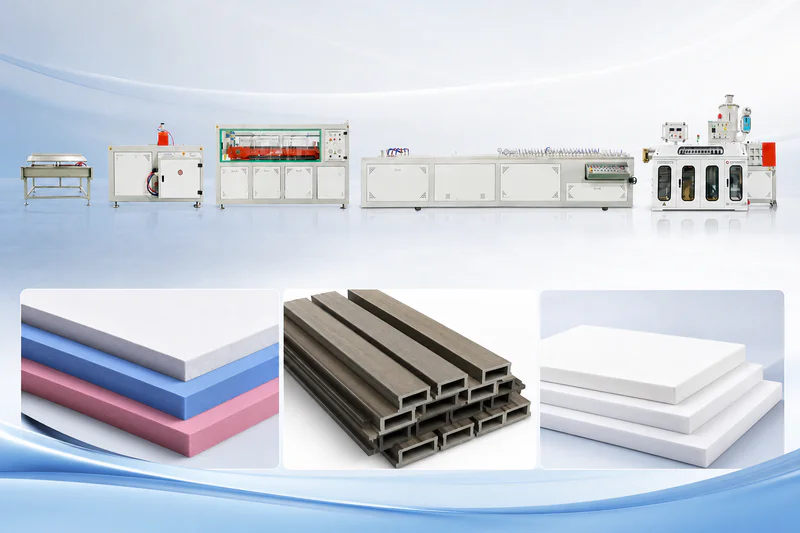
915mm to 2050mm Wide
PVC Foam, WPC, PE, PP
Everything You Need To Spec Your Board Extrusion Line
Jump straight to the section that answers your question, from choosing a board type and matching material to thickness and density control and how to send us your specs for a quote.
Choose Your Board Type
Find your line by product
Board Lines We Build
PVC foam, WPC, PE, PP
Choose The Right Line
Match a line to your board
Line Configurations
Single, tandem, custom setups
Production Problems
Common sourcing mistakes
Material Applications
How material changes the line
Quality Control Points
Checks before every shipment
Thickness And Surface Options
Gauge, density, finish choices
Factory Capability
What we build in house
Project Process
Selection to installation
Samples And Trial Runs
Boards made and tested
Quotation Checklist
What to send for a quote
FAQs
MOQ, lead time, voltage
Request Configuration
Send your specs for a line
Choose Your Board Type
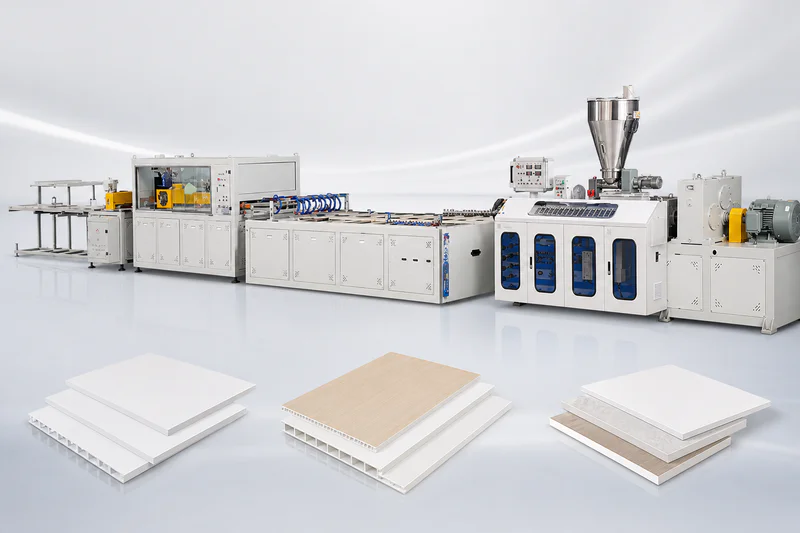
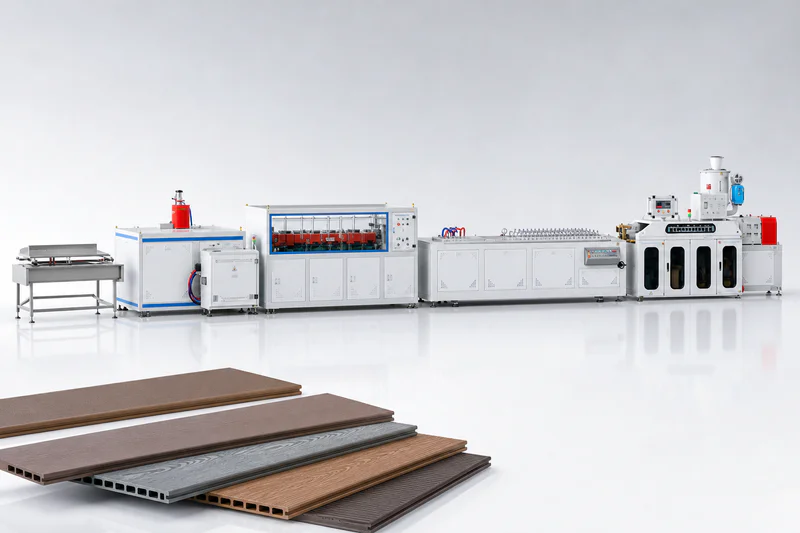
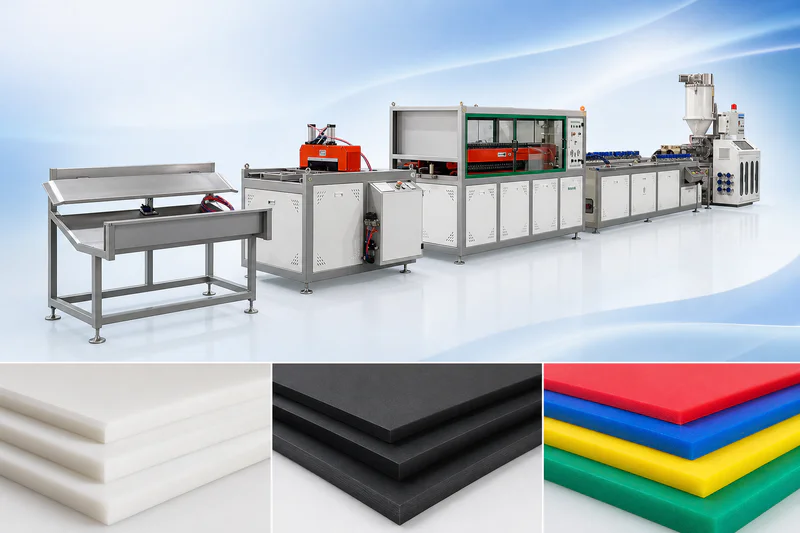
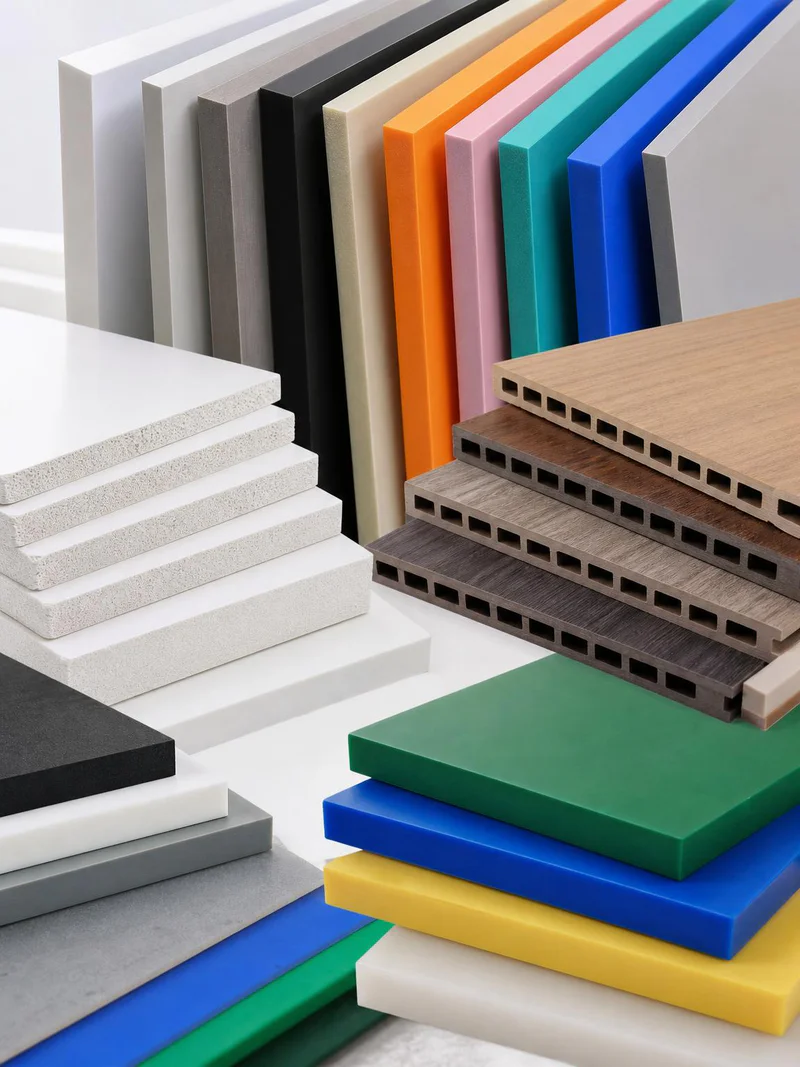
Start with the board you want to produce. PVC foam board, WPC board, and PE or PP thick board each need different material preparation, extrusion, cooling, surface treatment, and cutting systems. Pick your board and we build the line around it.
Not Sure Which Board Line Fits?
Send your material, target board width, thickness range, surface requirement, and final application. We come back with the board extrusion line configuration that matches, plus price and lead time.
Plastic Board Extrusion Lines We Build
Each board line is configured around your material, board width, thickness range, density, surface requirement, output target, and final application. Extruder, die, calibration, cooling, cutting, and finishing are matched as one complete production line, not sold as separate machines.
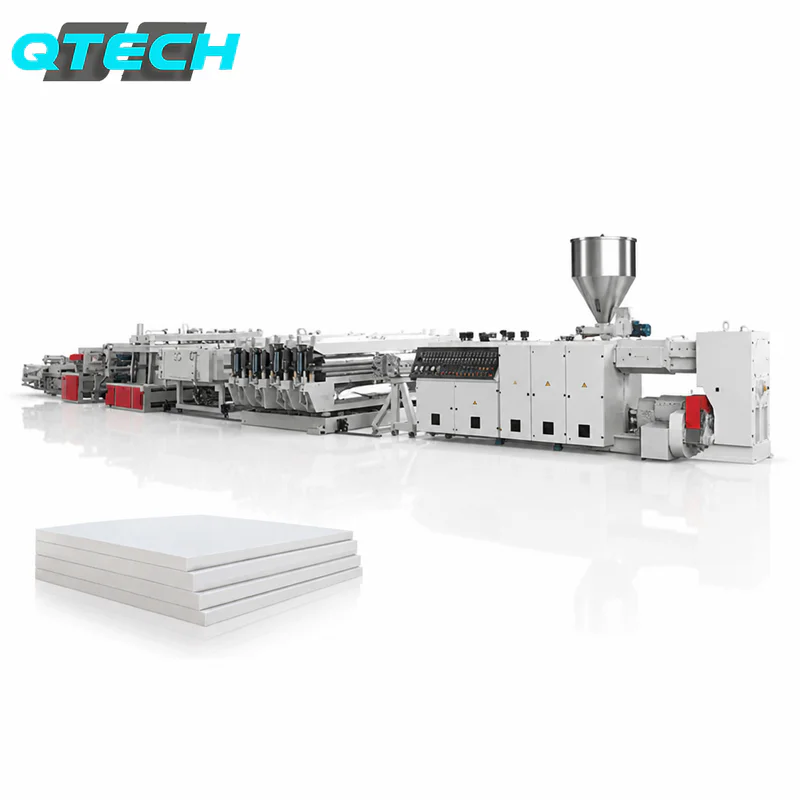 PVC Foam Board
PVC Foam Board Extrusion Line
Built For
PVC foam board used in advertising panels, furniture, cabinets, interior decoration, and construction applications.
Production Focus
Plasticizing, foaming, board density, surface hardness, thickness stability, and flatness. Confirm your mixing and formulation requirement together with the extrusion equipment, since formula and line settings work as one.
Typical Line Setup
- 01PVC Mixing System
- 02Screw Feeder
- 03Conical Twin Screw Extruder
- 04Foam Board Die
- 05Calibration And Cooling
- 06Haul Off
- 07Edge Trimming
- 08Cutting
- 09Stacker
Optional Equipment. Sanding, lamination, protective film application, and other surface finishing equipment can be added based on the board application.
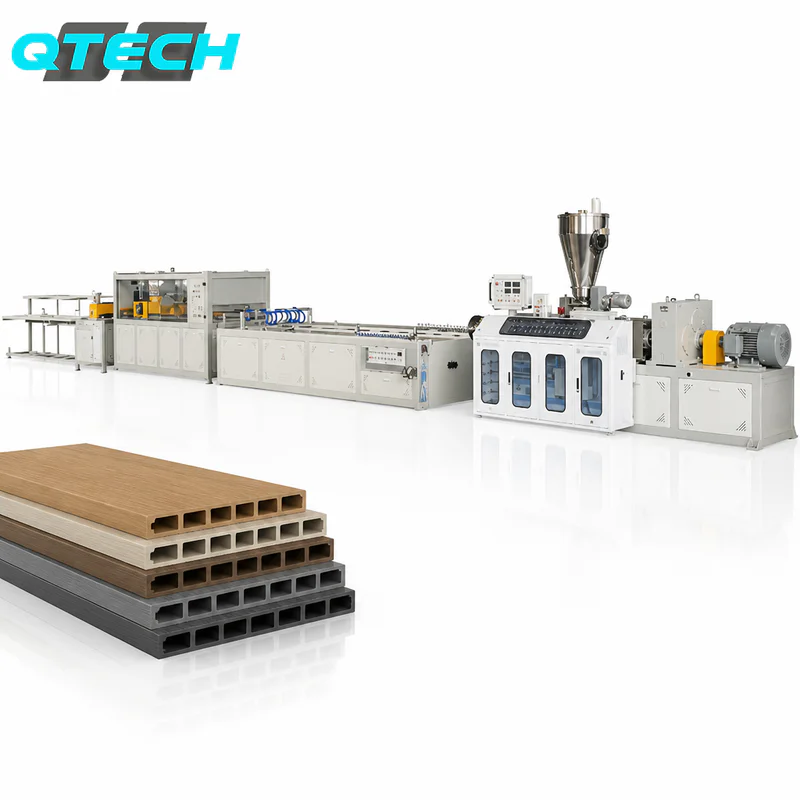 WPC Board
WPC Board Extrusion Line
Built For
Wood plastic composite board used in furniture panels, decoration board, building panels, and other composite board applications.
Production Focus
Raw material preparation, wood powder moisture, material dispersion, board density, cooling balance, and deformation control. Moisture is the first thing to get right on a WPC line, everything downstream depends on it.
Typical Line Setup
- 01Material Preparation
- 02Mixing And Drying
- 03Twin Screw Extruder
- 04WPC Board Die
- 05Calibration And Cooling
- 06Haul Off
- 07Cutting
- 08Stacker
Optional Equipment. Sanding, brushing, embossing, and other surface treatment equipment can be configured for the board finish you need.
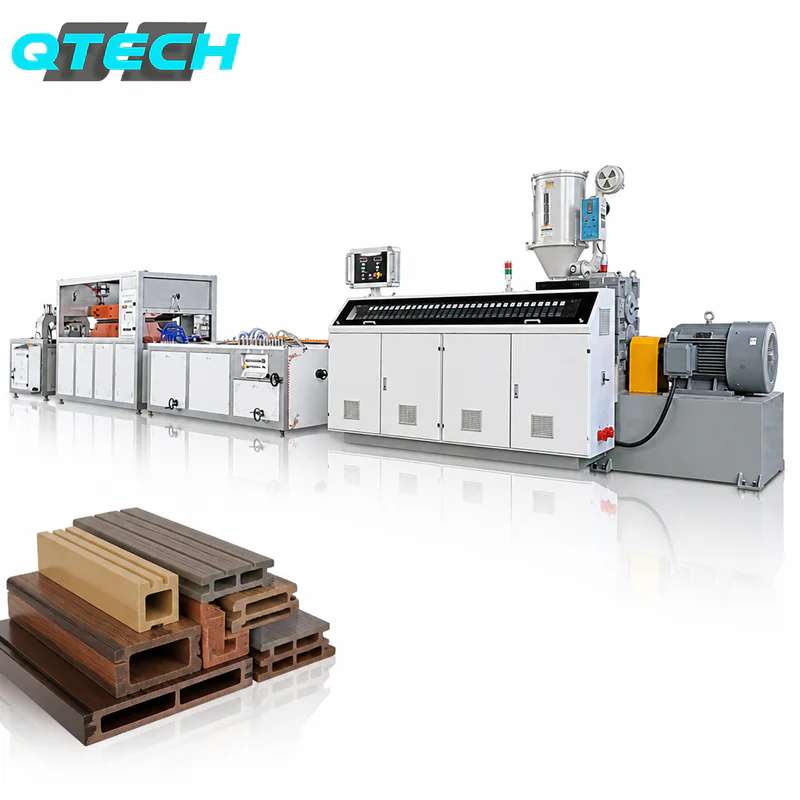 PE / PP Thick Board
PE And PP Thick Board Extrusion Line
Built For
PE and PP thick board used in chemical equipment, industrial fabrication, construction, lining, and rigid plastic components.
Production Focus
Cooling capacity, thickness stability, board flatness, internal stress control, and cutting accuracy. On thicker board the cooling section decides the result more than line speed does.
Typical Line Setup
- 01Material Feeding
- 02Single Screw Extruder
- 03Screen Changer
- 04Melt Pump
- 05Flat Die
- 06Board Forming Or Calendering
- 07Cooling Rack
- 08Haul Off
- 09Cross Cutting
- 10Stacker
Optional Equipment. Material dosing, edge recycling, automatic cutting, and stacking can be added based on board size and production requirement.
How To Choose The Right Board Extrusion Line
The right board line is selected around the finished board you plan to produce. Material, formulation, board width, thickness, density, surface finish, output, and downstream processing all change the complete line configuration. Tap any step to jump in.
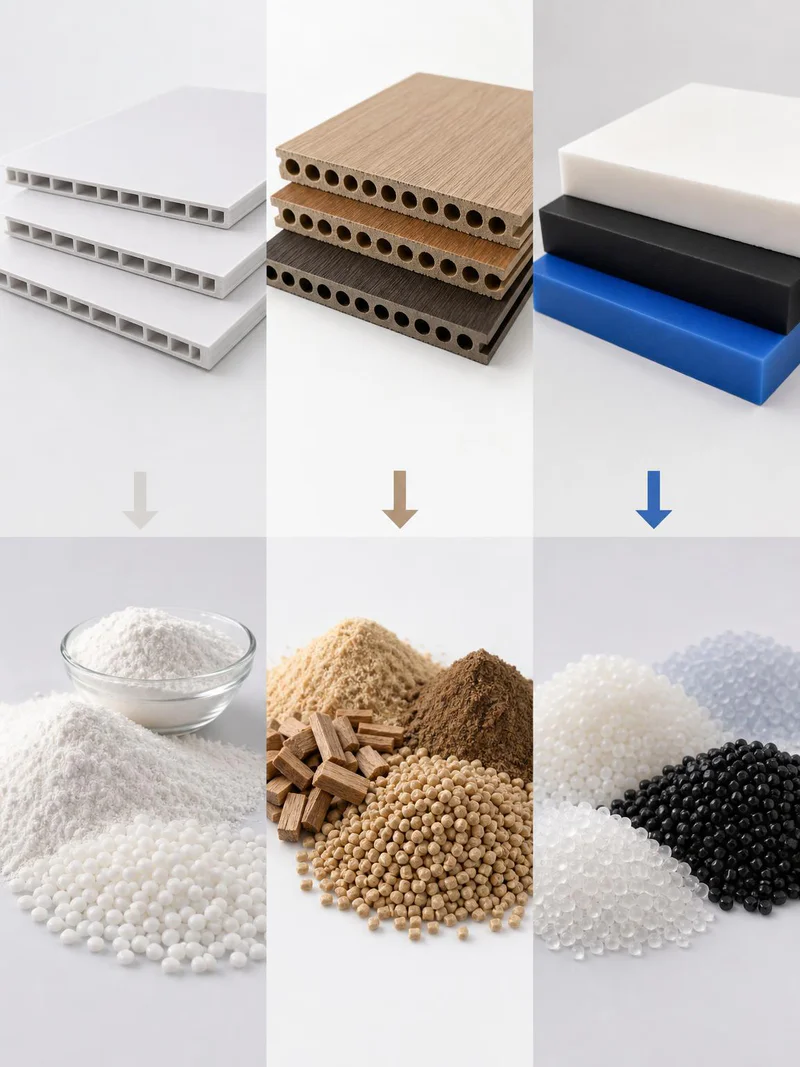
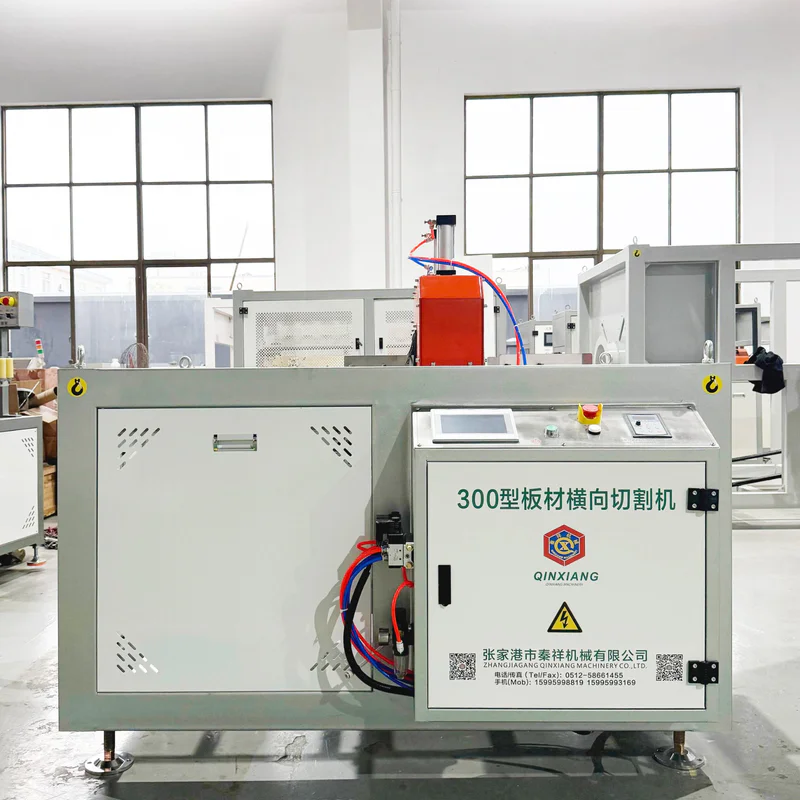
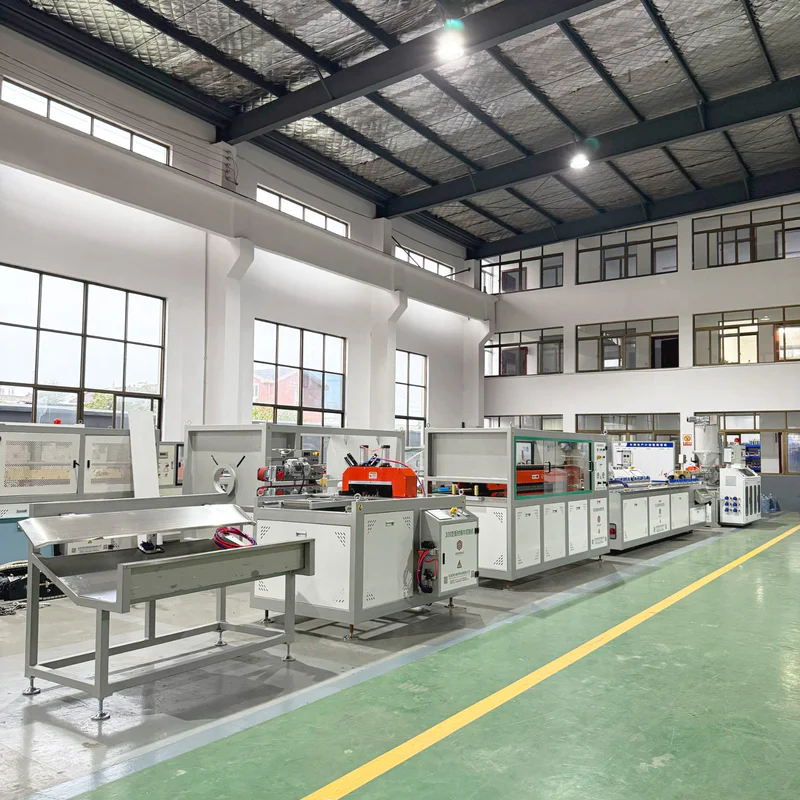
Start With The Board Material
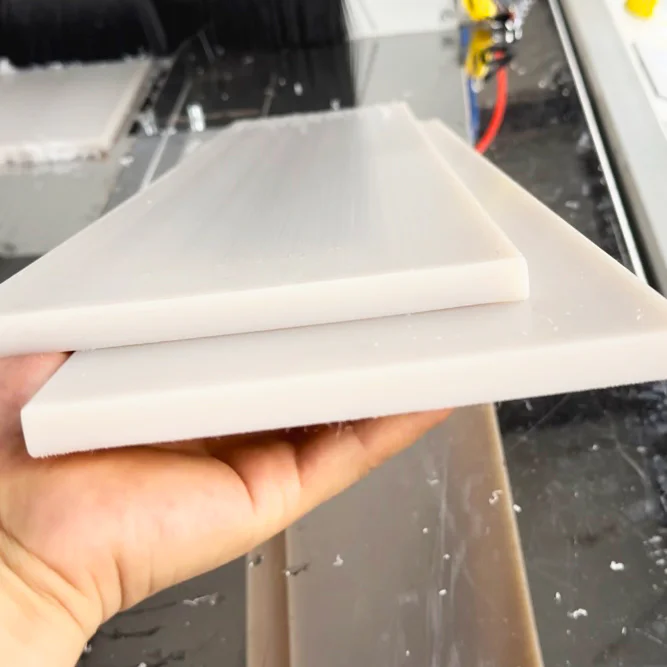
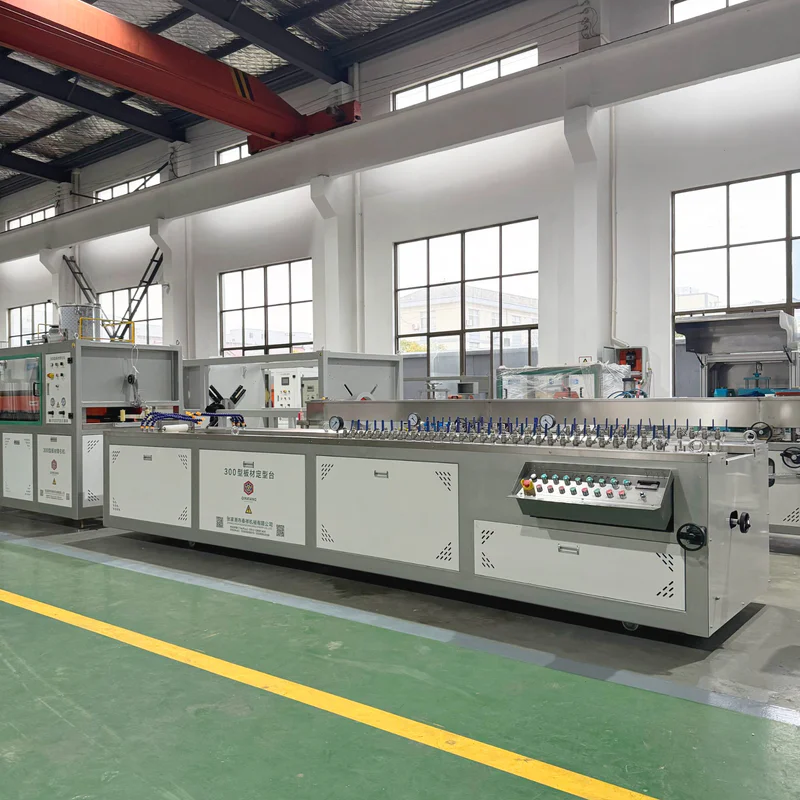
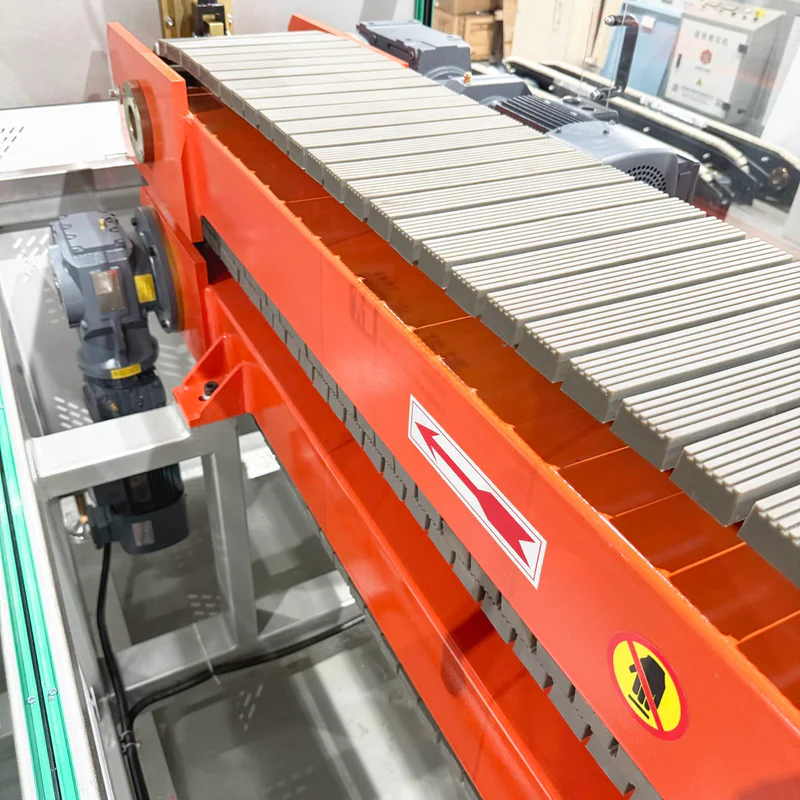
PVC foam board, WPC board, and PE or PP thick board each need different material preparation, screw design, extrusion control, and downstream equipment. The material is what sets the shape of the whole line.
PVC foam board normally needs a mixing system, twin screw plasticizing, and stable foaming control. WPC board adds wood powder moisture, material dispersion, and screw wear to the picture. PE and PP thick board needs stable melt flow, enough cooling, and internal stress control.
Confirm the main material, additives, filling ratio, and recycled material ratio before any equipment is selected.
What We Confirm First
- Main material and grade
- Additives and filling ratio
- Recycled material ratio
- Formulation and mixing
Define The Finished Board
The line should be configured around the board you intend to sell or process, not only around the raw material you feed in.
PVC foam board for furniture may need controlled density, surface hardness, and lamination readiness. WPC decorative board may need sanding, brushing, or embossing. PE and PP thick board for chemical equipment or fabrication needs flatness, dimensional stability, and clean cutting edges.
A clear final application tells us which production controls and which downstream equipment are actually necessary, and which ones you can skip.
What This Decides
- End product and application
- Density and hardness target
- Surface finishing needed
- Downstream processing
Confirm Width, Thickness And Density
Board width and thickness drive die size, calibration, cooling length, haul off capacity, cutting system, and the output you can actually reach. Wider or thicker board needs better material distribution and more cooling capacity.
For PVC foam board and some WPC products, density is a core production target as well. A lower density cuts material consumption, but the board still has to meet the strength, hardness, and application performance you sell it on.
Send your target width, thickness range, tolerance, and density requirement before the configuration is finalized.
Send Us These Numbers
- Board width range
- Thickness and tolerance
- Target density
- Output target in kg/h
Match Cooling And Calibration
Cooling is one of the main factors behind board flatness and dimensional stability. Cooling that is insufficient or uneven shows up later as warpage, surface deformation, and internal stress after the board leaves the line.
PVC foam board and WPC board need stable calibration and balanced cooling. PE and PP thick board usually needs a longer cooling section, because the board core releases heat slowly no matter how fast the surface sets.
Cooling capacity is matched to board thickness and output. It is not a standard accessory to be added at the end.
What We Match
- Calibration setup
- Cooling section length
- Cooling water capacity
- Flatness and stress control
Choose The Required Surface Finish
The board surface you need affects the die, the calibration, how the board is handled, and which optional finishing equipment belongs on the line.
PVC foam board may need a smooth surface for printing, lamination, or furniture use. WPC board may need sanding, brushing, or embossing. PE and PP thick board may need a clean surface for welding, machining, or fabrication.
Confirm whether the finished board gets laminated, printed, sanded, brushed, embossed, welded, or machined after extrusion.
Finish Options
- Smooth for print or lamination
- Sanding and brushing
- Embossed texture
- Weld and machine ready
Confirm Cutting And Stacking
Board production normally ends with cutting and stacking. The cutting system should match board thickness, required length, edge quality, and production speed.
Thin foam board and heavy thick board need different support, conveying, and stacking methods. If the board goes into CNC cutting, welding, or fabrication later, dimensional accuracy and edge condition need to be settled during line selection, not after delivery.
Match Your Downstream
- Cut length and tolerance
- Edge quality
- Conveying and board support
- Stacking method
Evaluate Stable Output
Output is evaluated against material, board width, thickness, density, and cooling capacity. Increasing the extruder size on its own does not give you a higher stable output.
The die, calibration system, cooling section, haul off, cutter, and stacker all have to support the planned production rate. A balanced line is worth more than a high quoted capacity that cannot be held while the boards still pass inspection.
Balanced, Not Just Big
- Target output in kg/h
- Cooling capacity to match
- Haul off and cutter speed
- Stable run over peak number
Every Board Line Is Configured And Trial Run Before Shipment
Once your board line is chosen, we build it to your material, board width, thickness range, density target, and market voltage, then run a full trial with your board before it leaves the factory. Send your finished board, output target, and destination market, and we quote the correct setup with spare parts and export documents from the start.
Typical Board Line Configurations
Different board materials need different extrusion, forming, cooling, and finishing systems. Your final configuration comes down to formulation, board width, thickness, density, output target, surface requirement, and final application.
| Board Line | Typical Production Flow | Main Control Points | Optional Downstream Equipment |
|---|---|---|---|
| PVC Foam Board Extrusion Line | PVC mixing → Material feeding → Conical twin screw extruder → Foam board die → Calibration and cooling → Haul-off → Edge trimming → Cross cutting → Stacking | PVC plasticizing, foaming stability, board density, thickness control, surface hardness, flatness, and cooling balance |
Sanding
Protective Film
Lamination
Print Prep
Auto Stacking
|
| WPC Board Extrusion Line | Raw material preparation → Mixing and drying → Material feeding → Twin screw extruder → WPC board die → Calibration and cooling → Haul-off → Cutting → Stacking | Wood powder moisture, material dispersion, filling ratio, board density, deformation control, surface condition, and screw wear |
Sanding
Brushing
Embossing
Lamination
Auto Stacking
|
| PE And PP Thick Board Extrusion Line | Material feeding → Single screw extruder → Screen changer → Melt pump when required → Flat die → Board forming or calendering → Multi stage cooling → Haul-off → Cross cutting → Stacking | Melt stability, thickness uniformity, cooling capacity, board flatness, internal stress, dimensional stability, and cutting accuracy |
Gravimetric Dosing
Edge Recycling
Protective Film
Auto Cutting
Auto Stacking
|
These are common starting points, not fixed packages. Send your material, board width, thickness range, density target, and output target, and we adjust the flow to your product.
On Paper The Flows Look Similar, In Production They Are Not
Three board lines can share almost the same equipment list and still behave completely differently on the floor. What separates them is which control point decides the result. Here is where each one actually gets won or lost.
01
PVC Foam Board
The mixing system, formulation, extruder, die, calibration, and cooling sections have to work as one to hold board density and cell structure. A larger extruder on its own will not fix unstable foaming, excess board weight, or soft surface hardness.
02
WPC Board
Raw material preparation is part of the production line, not something to sort out separately. Wood powder moisture, filling ratio, and material dispersion show up later as bubbles, surface roughness, density variation, and board deformation.
03
PE And PP Thick Board
Thick board releases heat slowly and needs enough cooling before cutting and stacking. Cooling length, support structure, and line speed are matched to board thickness, otherwise internal stress turns into deformation weeks after the board is stacked.
Treat the configurations above as references, not fixed equipment packages. Your final setup is confirmed against your raw material, formulation, board dimensions, density, required surface, stable output, and downstream processing.
Production Problems To Prevent
A board line should produce stable, qualified board under continuous operation, not just reach a high number during a short test run. Settle these nine problems before the extruder, die, calibration, cooling, cutting, and stacking systems are selected.
Open any problem to see what causes it and what we confirm before the line is configured.
01 Uneven Board Thickness Raises material cost and breaks downstream processing
Thickness variation raises material consumption and leaves you with inconsistent board weight, strength, and dimensional accuracy. It also shows up later during lamination, printing, cutting, welding, or fabrication.
Board thickness is affected by feeding stability, melt pressure, die flow distribution, die adjustment, calibration, haul off speed, and cooling. Confirm your target width, thickness range, and tolerance before the configuration is finalized.
02 Warpage And Poor Flatness Board looks fine on the line, deforms in the stack
Board can bend after cooling, warp during stacking, or deform after cutting and machining. This comes up across PVC foam board, WPC board, and PE and PP thick board production alike.
Flatness depends on balanced cooling, material formulation, board thickness, line speed, haul off stability, and internal stress. The cooling and support sections are matched to your actual board dimensions and stable output target, not to a catalogue spec.
03 Surface Defects Kills printing, lamination, and furniture grade sales
Flow marks, rough areas, black spots, uneven gloss, scratches, and calibration marks all affect printing, lamination, furniture use, and how the finished board looks to your customer.
Surface quality comes from raw material cleanliness, mixing, plasticizing, filtration, die condition, temperature control, calibration surface, and downstream handling. Confirm the surface finish you sell before the equipment is selected.
04 Bubbles, Voids, And Weak Core Strength loss that only shows after the board is sold
Bubbles and internal voids cut board strength and damage the finished surface. PVC foam board can develop an uneven or soft core, and WPC board shows bubbles and voids when the wood powder carries too much moisture.
The cause is usually moisture, formulation, unstable feeding, poor material dispersion, insufficient venting, incorrect temperature control, or unstable foaming. Material preparation and extrusion have to be treated as one system.
05 Unstable Foam Density Directly moves your material cost per board
PVC foam board density decides material cost, board weight, rigidity, and surface hardness. Density that runs high burns raw material on every board. Density that runs low leaves you with a soft core and board that fails on strength.
Stable density needs consistent mixing, formulation control, twin screw plasticizing, foaming, die flow, calibration, and cooling working together. Confirm your target density alongside board thickness and final application.
06 WPC Moisture And Poor Dispersion Preparation problems that surface as board defects
Wood powder moisture, filling ratio, and material dispersion carry a lot of weight in WPC board production. Weak preparation turns into bubbles, rough surface, density variation, weak areas, and deformation after cooling.
Drying, mixing, feeding, and extrusion are matched to your wood powder ratio, recycled material content, and board specification. Screw wear resistance is worth settling too, since WPC runs hard on the screw over a long production life.
07 Insufficient Cooling And Internal Stress Deformation weeks after the board leaves the line
Thick board keeps releasing heat after it leaves the forming section. When cooling is too short or uneven, the board passes inspection during production and then deforms later in storage, cutting, welding, or machining.
This matters most on PE and PP thick board. Cooling length, board support, line speed, and stacking temperature are matched to board thickness and output target rather than fixed as a standard section.
08 Inaccurate Cutting And Poor Stacking Damage and rework at the very end of the line
Wrong cutting length, damaged edges, uneven stacks, and scratches create problems during packing and later processing. Heavy or wide board also needs enough support during cutting and transfer, or it picks up damage on the way out.
The cutter, conveying system, and stacker are matched to board thickness, dimensions, weight, and production speed. Confirm your cutting tolerance and required edge condition before the downstream system is selected.
09 Output Below The Quoted Capacity A big extruder does not make a fast line
A larger extruder does not guarantee higher stable board output. If the die, calibration, cooling, haul off, cutter, or stacker cannot keep pace, you end up slowing the line down anyway to keep the board within spec.
Output is evaluated against material, formulation, board width, thickness, density, and cooling capacity. Stable output of qualified board is worth more than a peak capacity that cannot be held for a full shift.
Running into any of these already? Send your material, board width, thickness range, and a photo of the defect, and we configure the line to design the problem out.
Discuss Your Board Production Requirements
Share your material, board width, thickness, density, surface requirement, output target, and the production concern you are dealing with now. We review the main risks first and recommend a line configuration after that, not before.
Board Materials And Applications
Material and final application are decided together when you select a board line. Between them they set the material preparation, screw design, forming method, cooling capacity, surface treatment, and cutting system you need.
| Board Type | Typical Applications | Main Production Concerns | Line Configuration Focus |
|---|---|---|---|
| PVC Foam Board | Advertising panels, furniture boards, cabinet panels, interior decoration, and construction boards | Density, foaming stability, board weight, surface hardness, flatness, and finishing readiness | PVC mixing, twin screw plasticizing, foam board die, calibration, balanced cooling, cutting and stacking |
| WPC Board | Furniture panels, decorative boards, wall panels, building panels, and wood plastic composite products | Wood powder moisture, material dispersion, filling ratio, density, deformation, and surface texture | Raw material drying, mixing, wear resistant extrusion, calibration, cooling, and optional surface finishing |
| PE And PP Thick Board | Chemical equipment, industrial lining, fabricated components, construction applications, and machined plastic parts | Thickness uniformity, cooling capacity, internal stress, flatness, dimensional stability, and cutting accuracy | Stable feeding, single screw extrusion, melt control, flat die, multi stage cooling, cutting and board support |
Your material and end use set the priority, not the extruder size. Send your board type, material, thickness range, and final application, and we build the line around it.
What Each Board Is Actually Used For
The application decides more than the material does. Two factories running the same PVC foam board can need completely different lines once you know what the board ends up as.
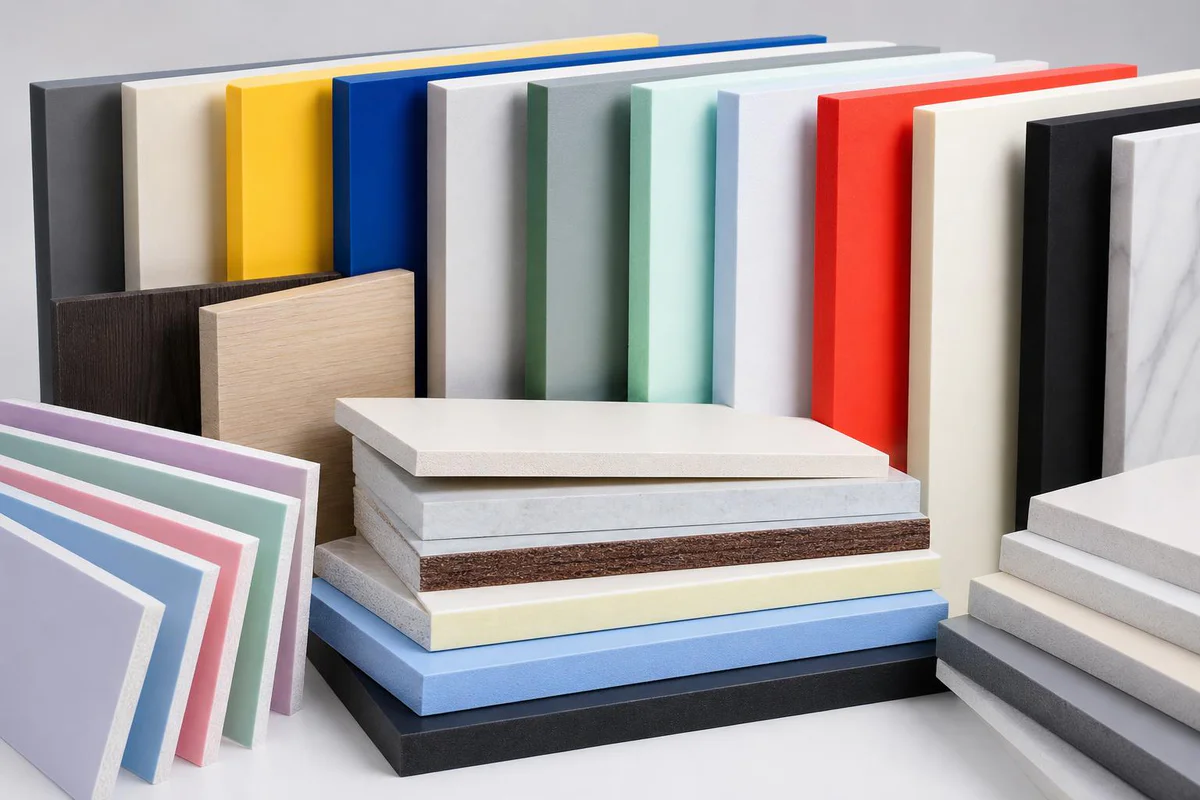 PVC Foam Board
PVC Foam Board Applications
PVC foam board gets picked where low weight, a smooth face, and further finishing matter. Advertising and decorative board leans on printing and lamination readiness. Furniture and cabinet board leans on density, rigidity, flatness, and surface hardness instead.
Confirm the intended use before you set the density target, the surface requirement, and whether sanding or lamination equipment belongs on the line.
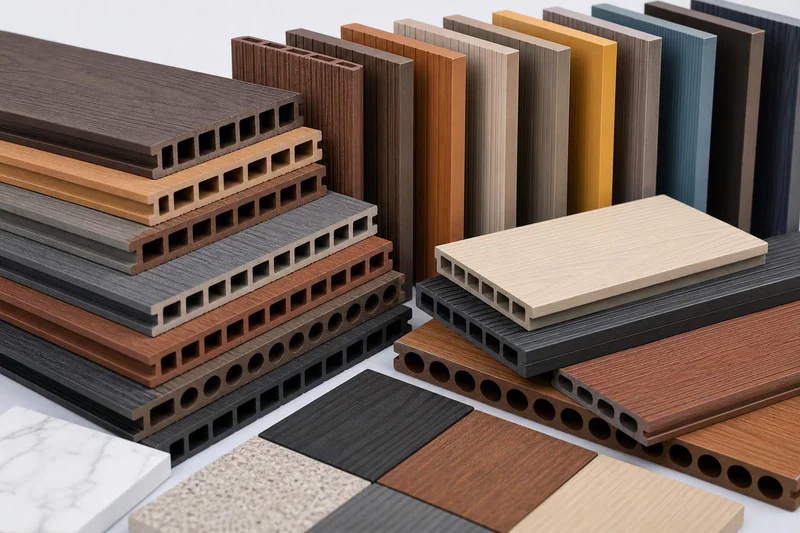 WPC Board
WPC Board Applications
WPC board mixes plastic with wood powder or other fillers, so raw material preparation lands directly on the finished board. Decorative panels usually need a consistent texture or embossed face. Furniture and building board pushes harder on rigidity, dimensional stability, and moisture resistance.
Wood powder ratio, moisture level, recycled material content, and the surface treatment you need should all be settled before the extrusion and finishing systems are selected.
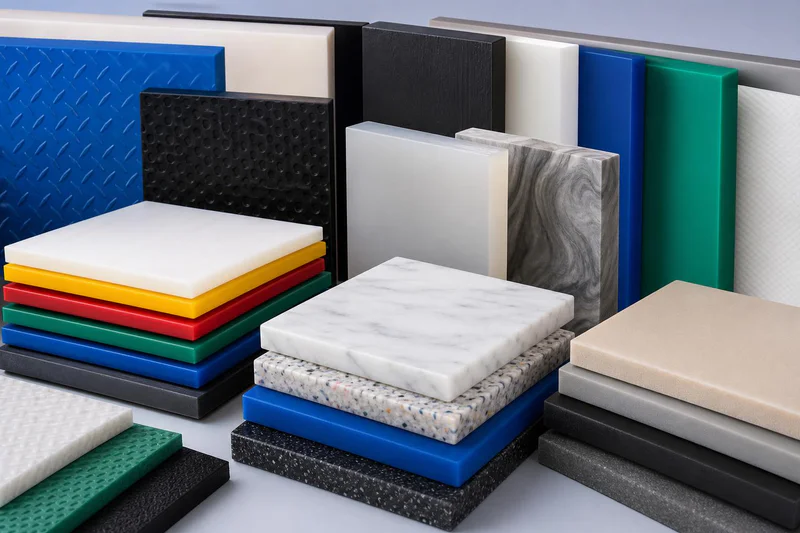 PE / PP Thick Board
PE And PP Thick Board Applications
PE and PP thick board goes into industrial fabrication, chemical equipment, lining, and machined components. These uses want stable thickness, good flatness, controlled internal stress, and enough material left to weld, cut, or machine cleanly.
Board thickness, finished dimensions, and the fabrication method that comes after all feed into the cooling length, support system, cutter, and stacking equipment you choose.
Match Your Board With The Right Line
Send your material, board dimensions, density or surface requirement, and final application. We come back with a board extrusion line configuration built around the finished product you need to produce, not around a standard model number.
Quality Control Points
Board quality is judged from the finished board, not from whether the line runs. During configuration and trial running these are the checks we work through, matched to your material, board dimensions, density, surface requirement, and final application.
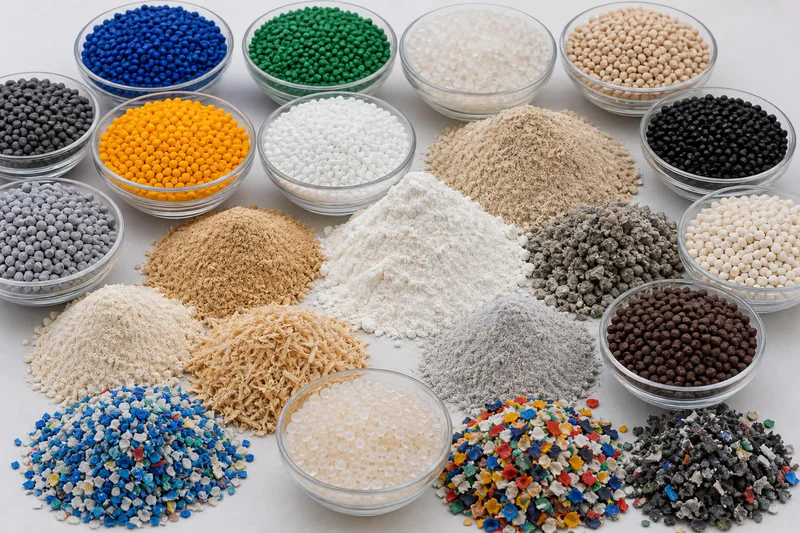
Raw Material Preparation
Stable board starts before extrusion. PVC compound, wood powder, filler, and recycled material have to be prepared and fed consistently, or bubbles and density variation follow.
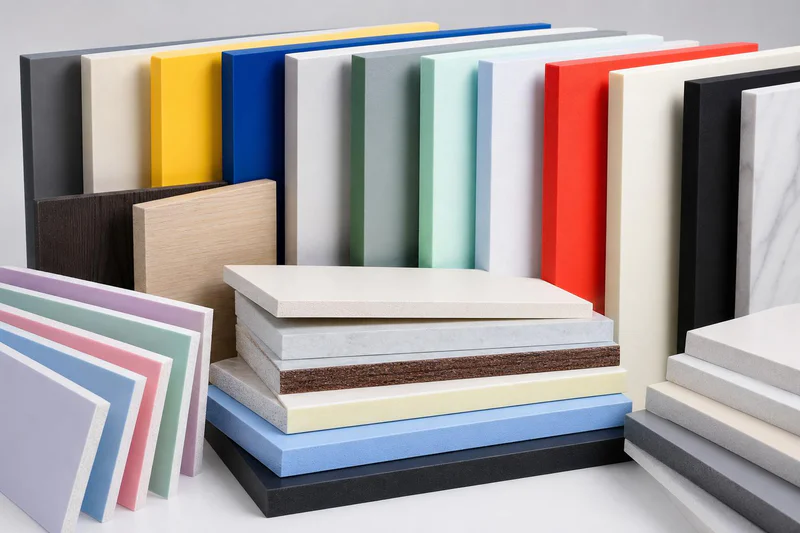
Board Width And Thickness
Checked across the full width, at the edges, and between samples. One measurement point tells you nothing about what the line actually holds.
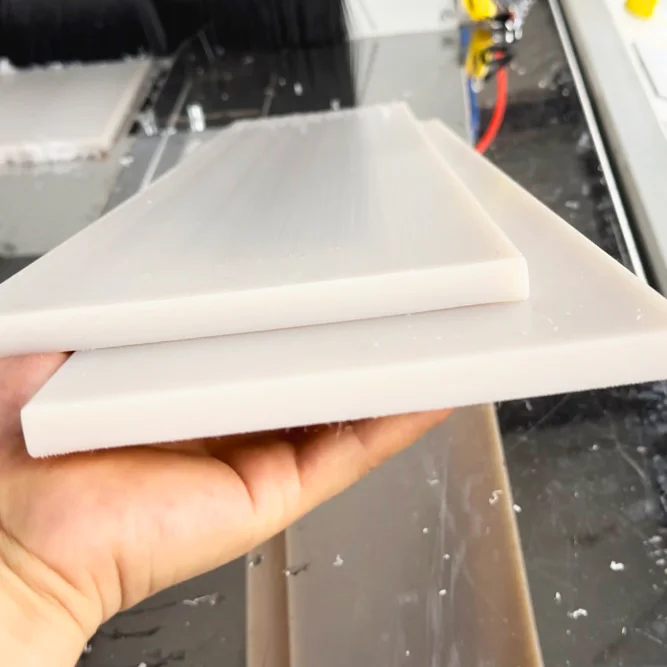
Density And Board Weight
Sample dimensions and weight are checked against your density target. Too high burns material, too low leaves a soft core and weak edges.
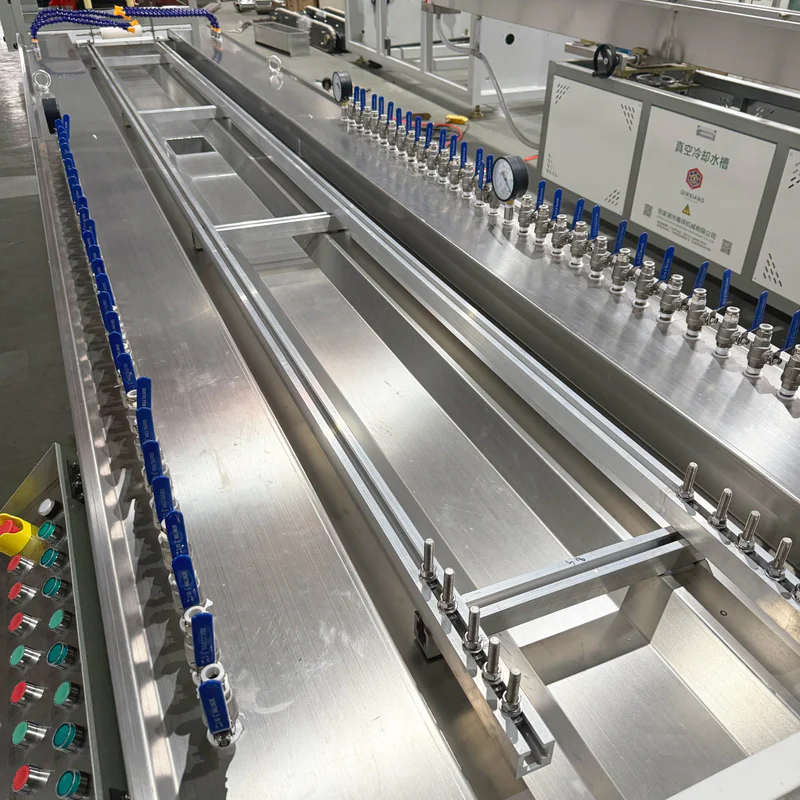
Surface Finish
Flow marks, scratches, black spots, rough areas, uneven gloss, calibration marks. The standard is the surface your application actually needs.
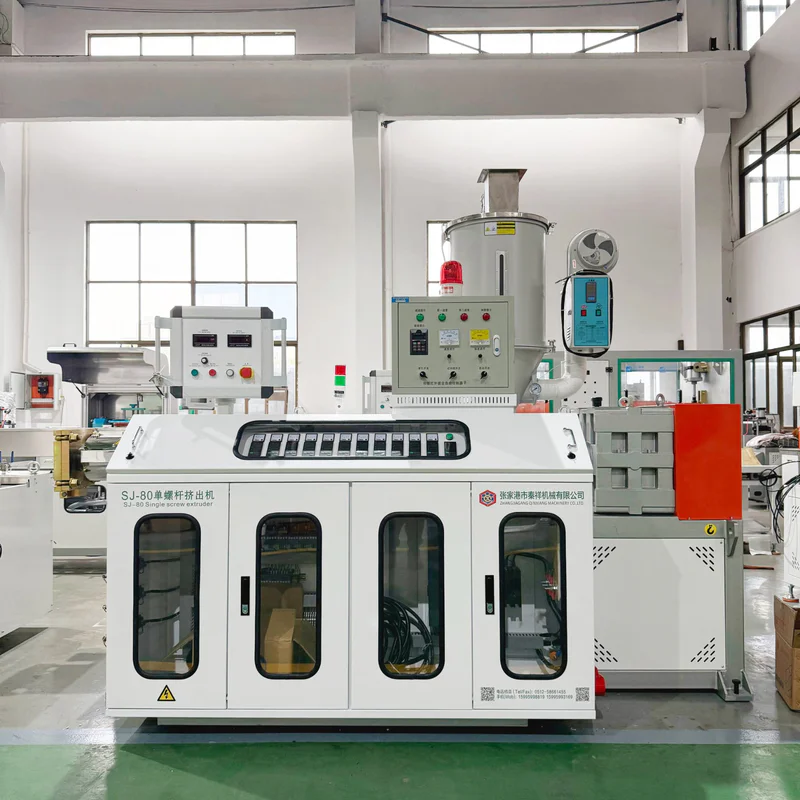
Flatness And Warpage
Checked after the board has cooled fully, since some deformation only appears once the board is off the line and stacked.
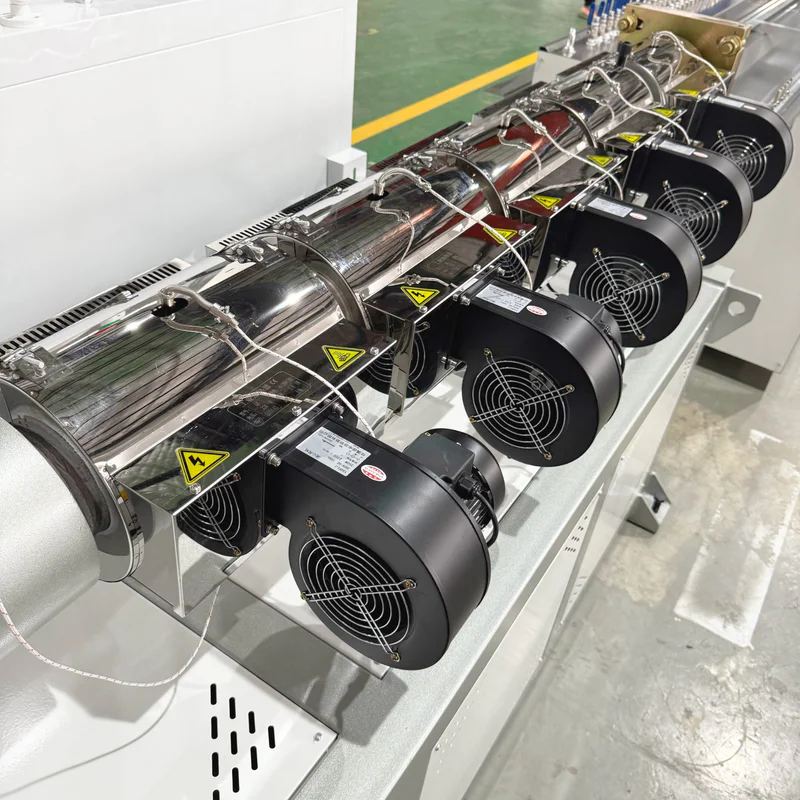
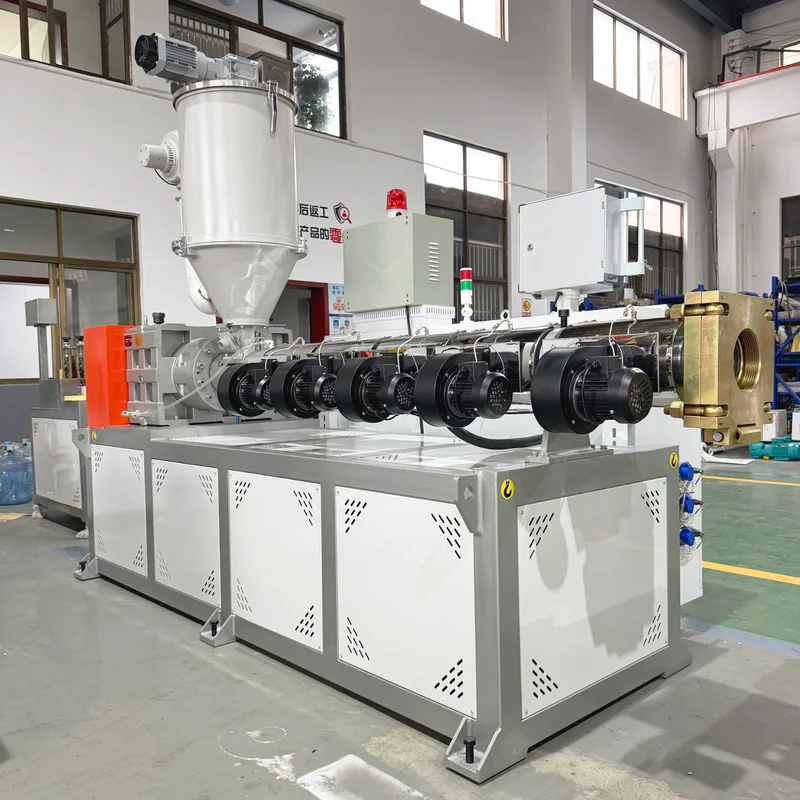
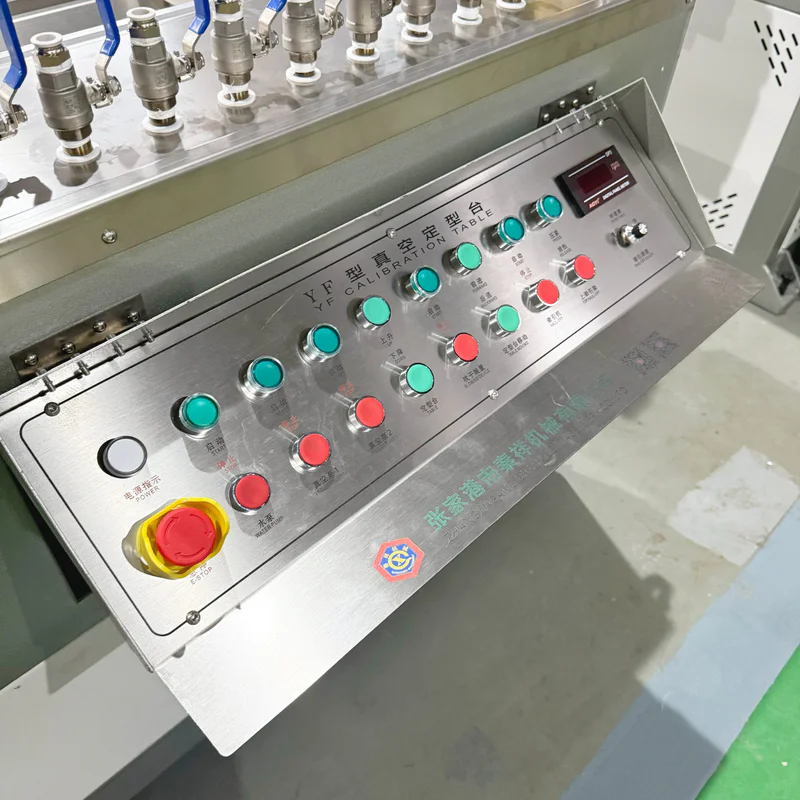
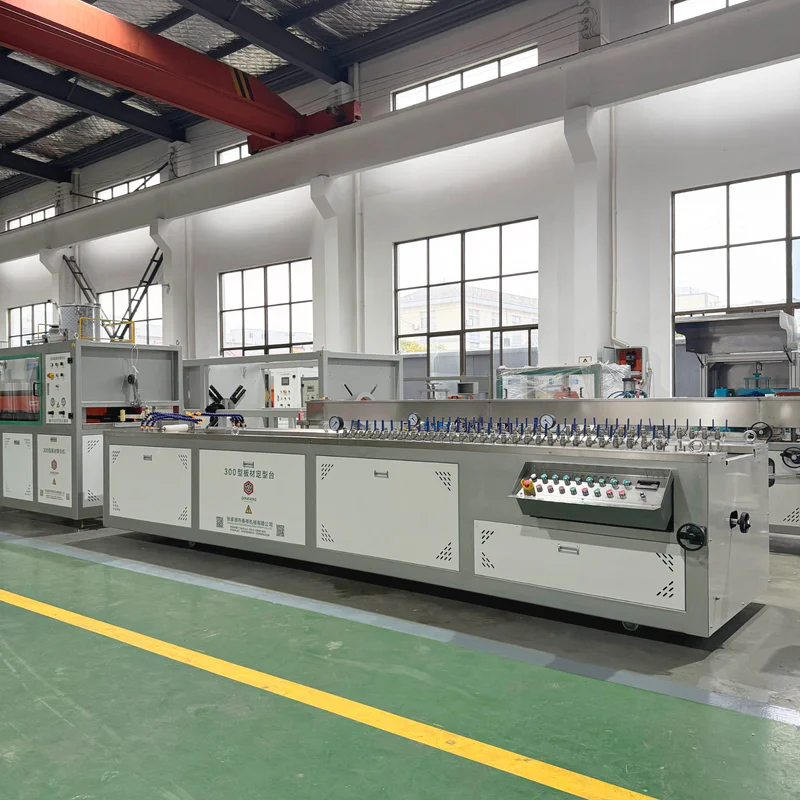
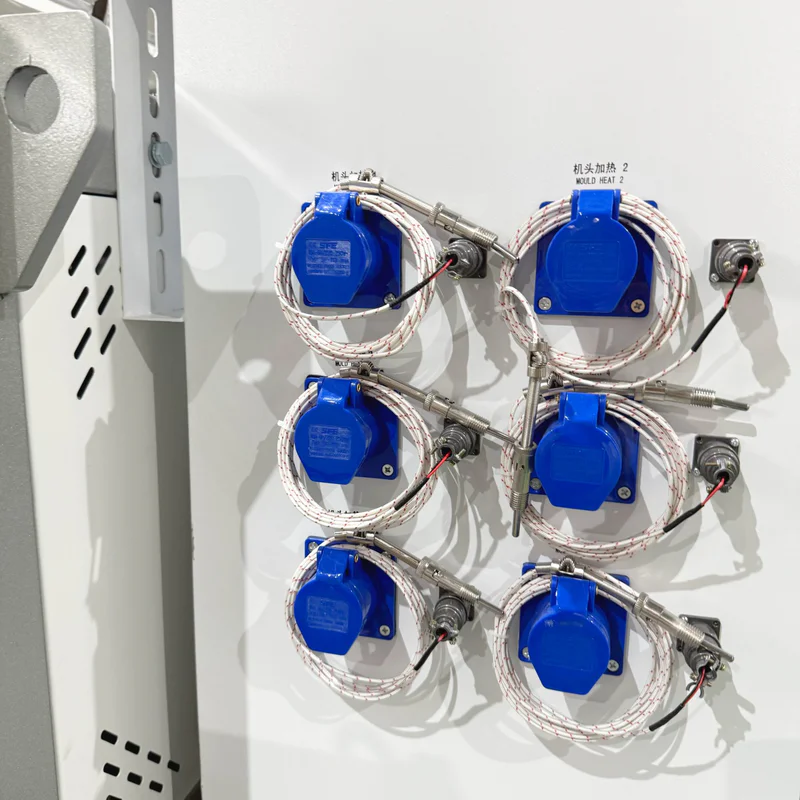
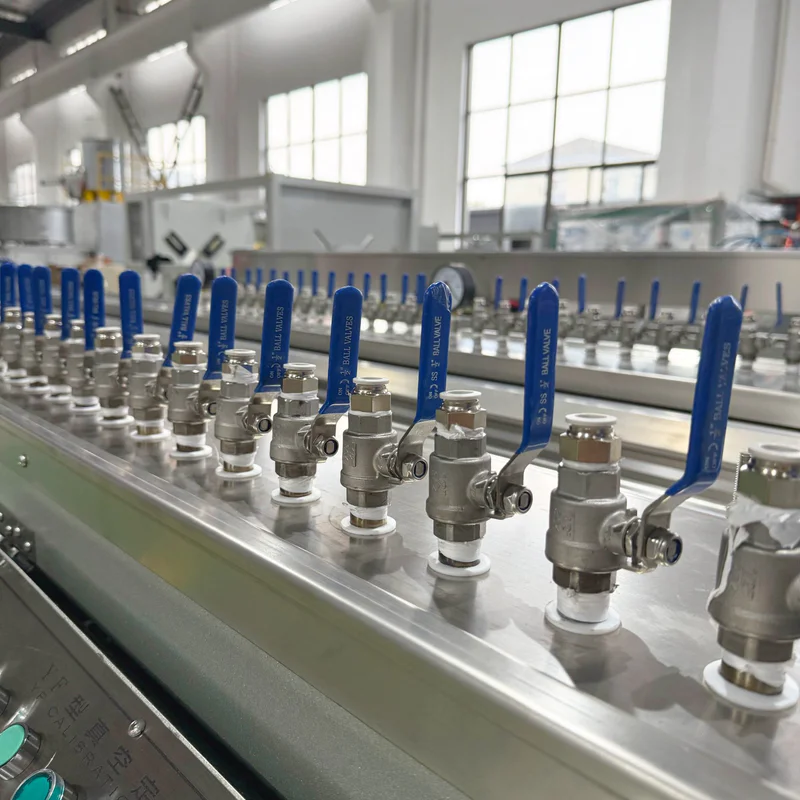
Cell Structure And Board Core
The cut section shows what the surface hides. On foam board a weak core means poor edge strength. On WPC it shows voids and poor dispersion.
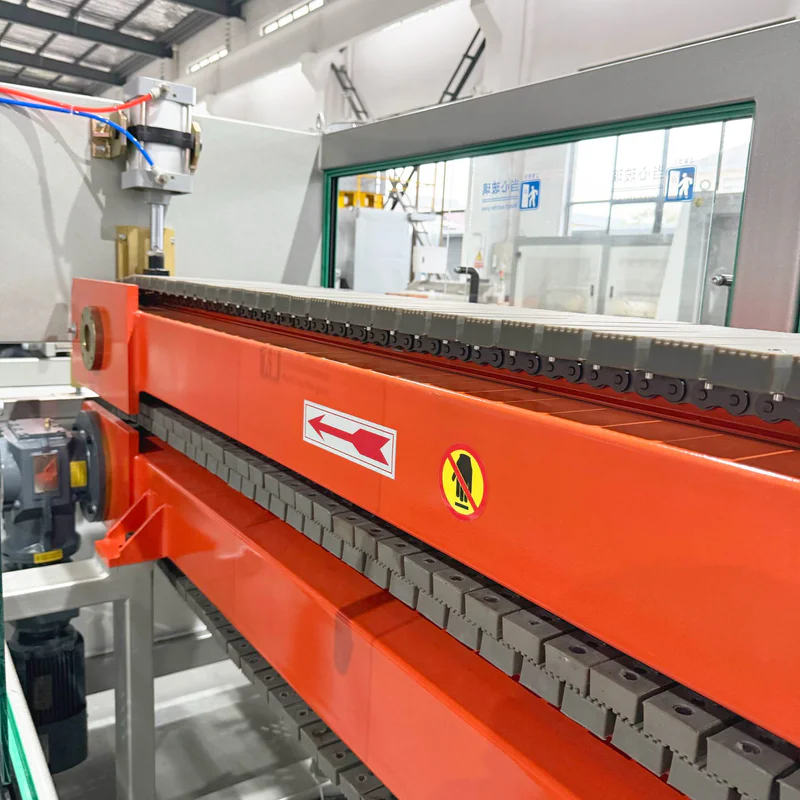
Cooling And Dimensional Stability
Matters most on PE and PP thick board, where the core stays hot long after the surface has set. Dimensions are confirmed once the board is fully cooled.
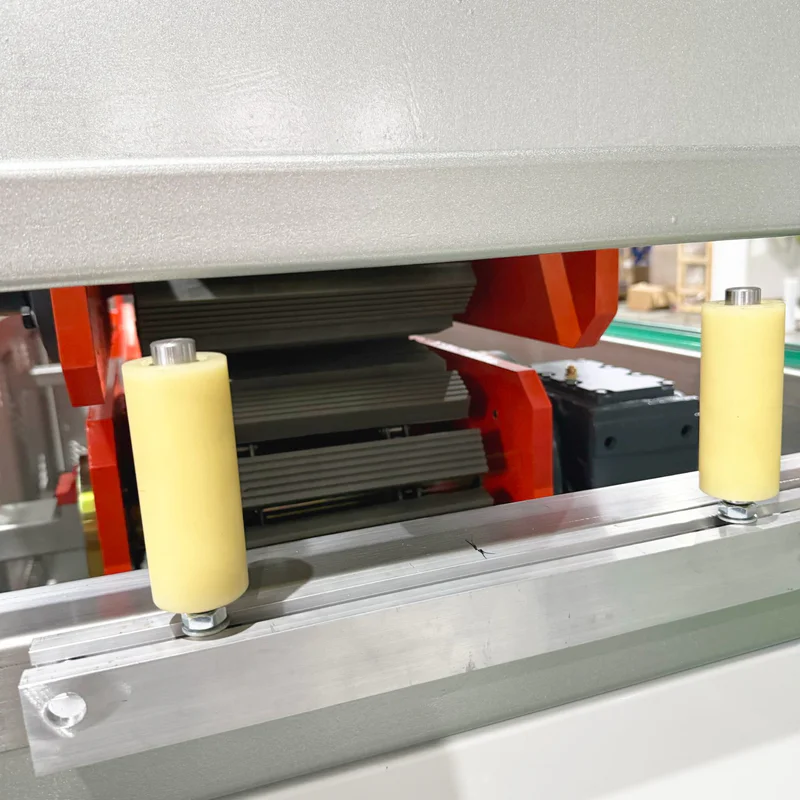
Cutting And Edge Quality
Cut length, squareness, and edge condition, tested with your actual board thickness and weight rather than a light sample board.
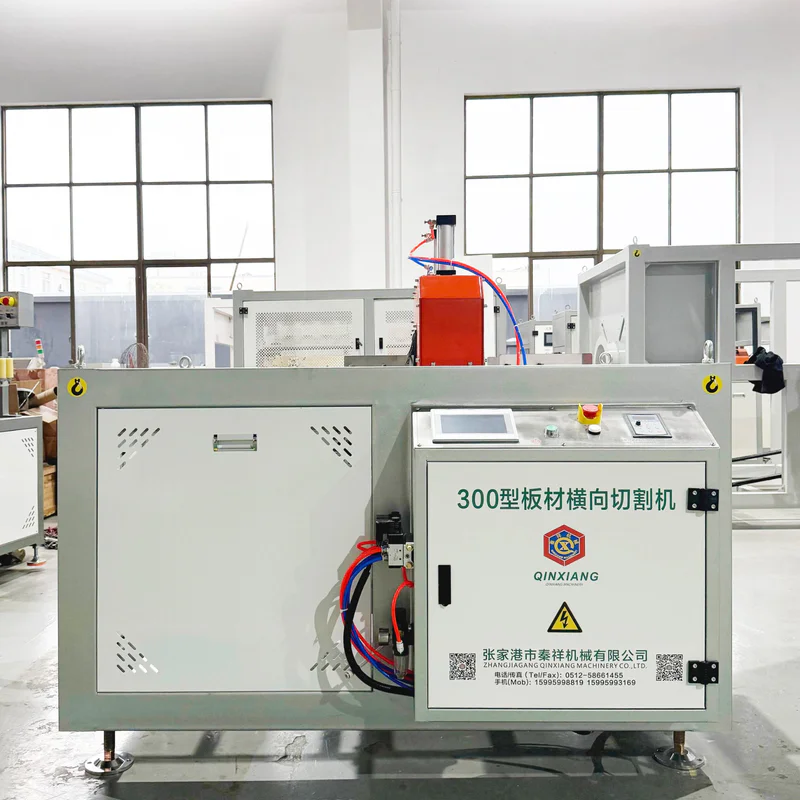
Trial Run Sample Confirmation
The full line runs under your material and operating conditions before shipment. Sample photos, video, and inspection records are prepared on request.
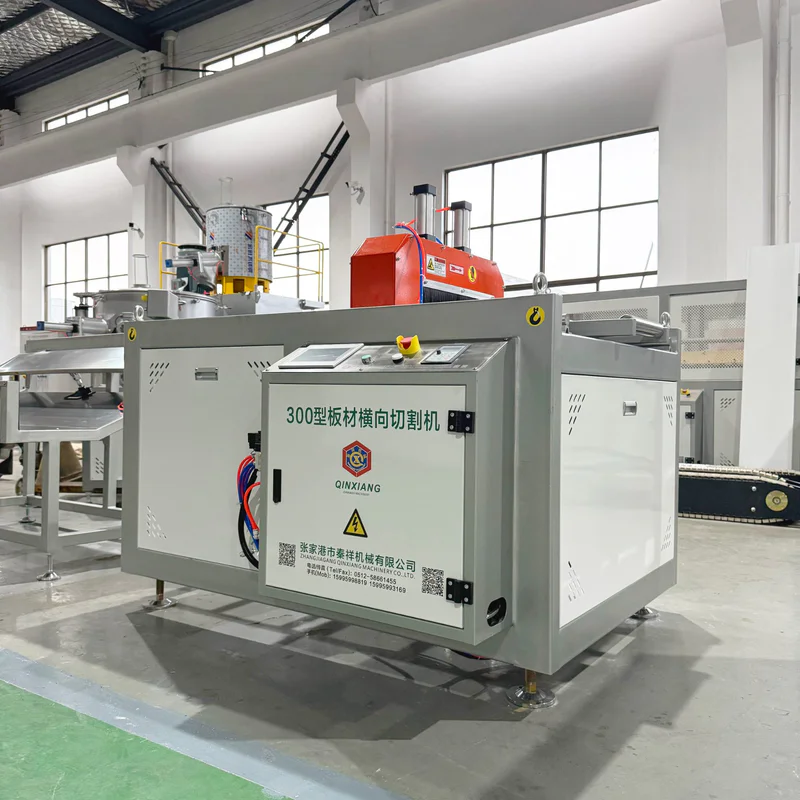
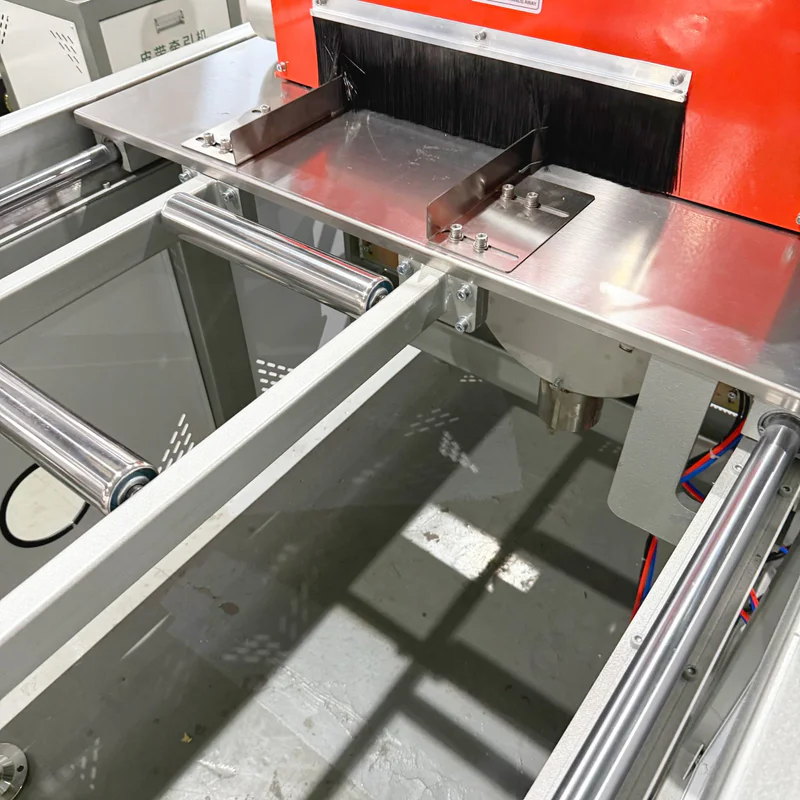
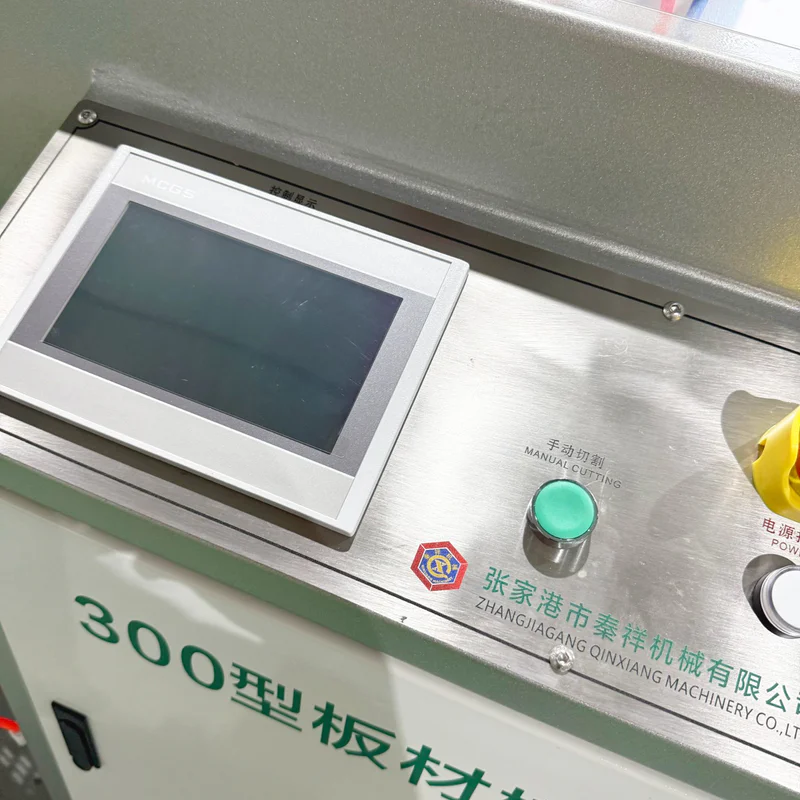
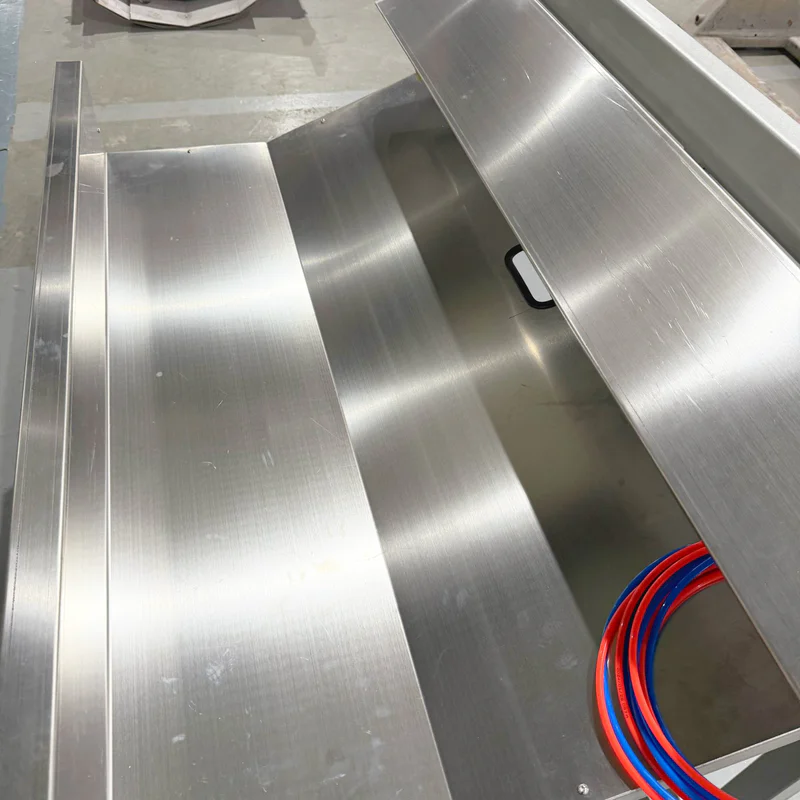
Have an inspection standard your buyer holds you to? Send it with your specs and we build the check into the trial run before the line ships.
Thickness, Surface And Finishing Options
Board thickness and surface quality depend on far more than the extruder. Die design, calibration, cooling, haul off, cutting, and optional finishing equipment are all matched to your material, board dimensions, and final application.
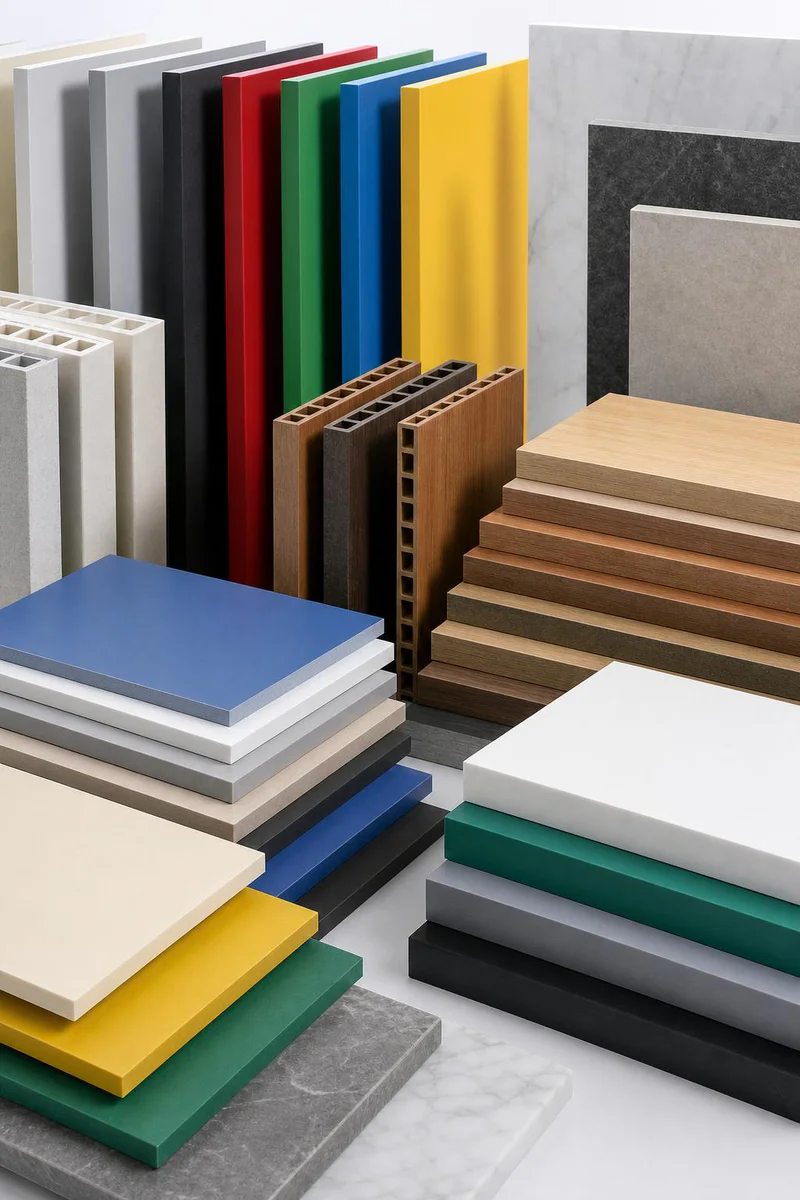 Calibration And Finish
Where Thickness And Surface Are Set
The die, calibration, and cooling sections decide gauge and finish. The screw alone does not.
Board Thickness And Tolerance
Confirm your target width, thickness range, and dimensional tolerance before the line is configured. Wider and thicker board needs suitable die flow, forming capacity, board support, and cooling length behind it.
Thickness is checked across the full board width and after sufficient cooling. That is what catches edge variation, uneven material distribution, and the dimensional changes that only appear once the board leaves the forming section.
Forming, Calibration And Cooling
Different board needs different forming and cooling. PVC foam board and WPC board rely on a matched die, calibration, and cooling section to hold thickness, flatness, and surface condition together.
PE and PP thick board needs enough multi stage cooling, because the board core releases heat slowly. Cooling length, support structure, and line speed are selected against your actual board thickness and stable output target.
Surface Finish Options
The surface has to match what the board becomes. PVC foam board may need a smooth face for printing, lamination, furniture production, or protective film. WPC board may need sanding, brushing, or embossing. PE and PP thick board may need a clean face for welding, machining, lining, or fabrication.
Optional surface equipment is configured around the finish you sell, including sanding, brushing, embossing, lamination, and protective film application.
Cutting, Edges And Stacking
Cutting and handling decide final dimensions, edge quality, and surface protection. The cutter is matched to your board width, thickness, required length, and production speed.
Wide or heavy board also needs suitable conveying, support, and stacking to keep scratches, damaged edges, and uneven stacks off the finished product. If the board gets laminated, CNC cut, welded, or machined later, confirm the cutting tolerance and edge condition up front.
Factory Capability For Complete Board Extrusion Lines
From material preparation and extruder assembly through board die matching, calibration, multi stage cooling, cutting, stacking, and trial running, we configure complete PVC foam board, WPC board, and PE or PP thick board lines around your formulation, board width, thickness, density, surface requirement, stable output, and final application.
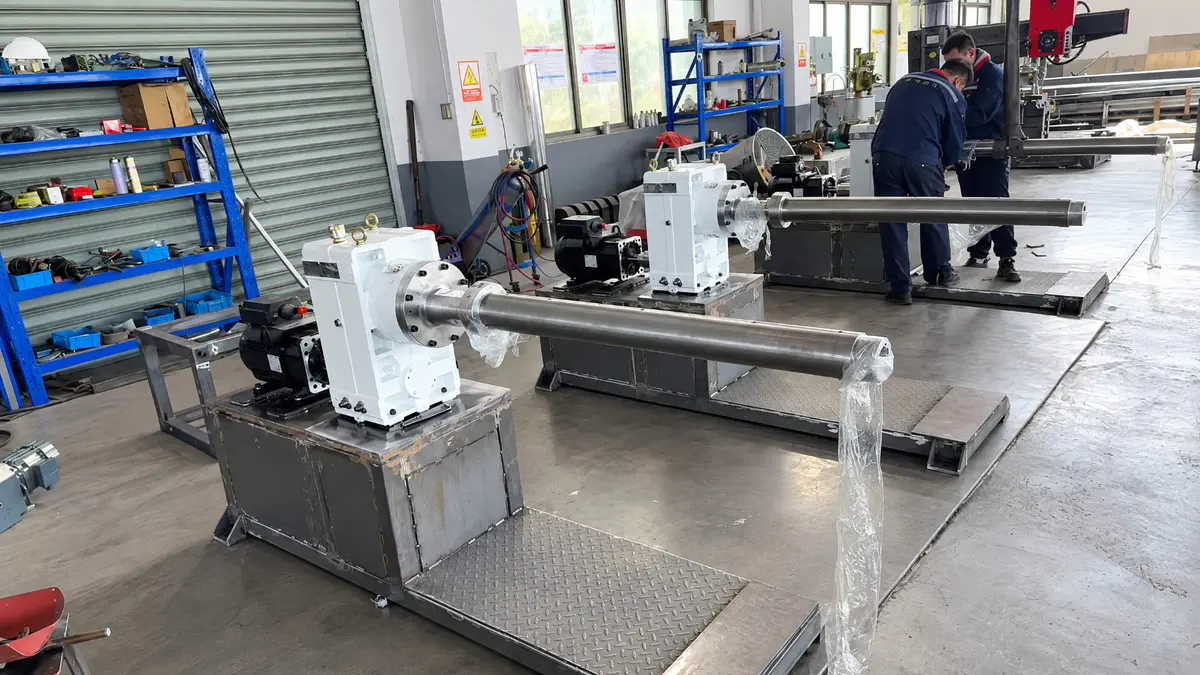
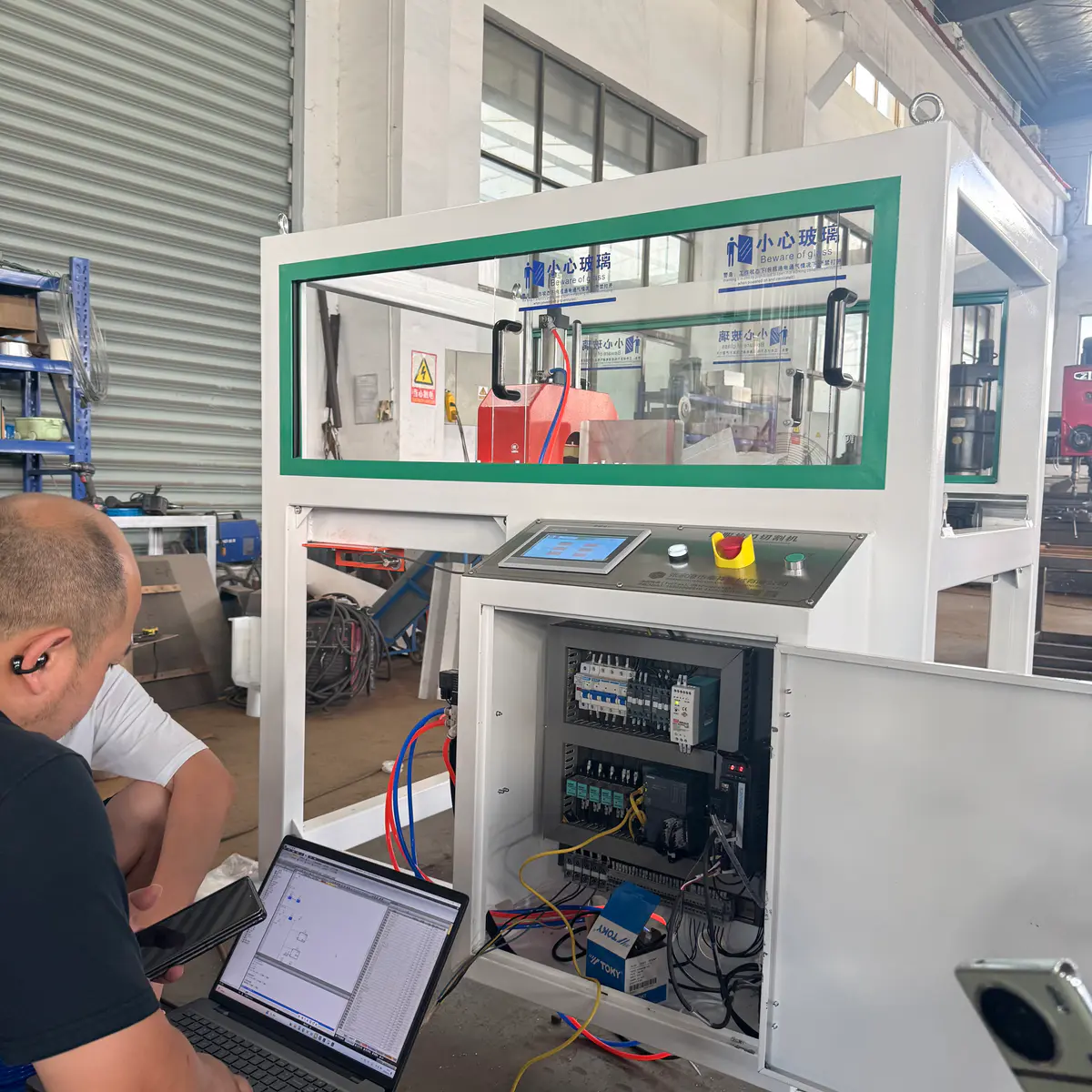
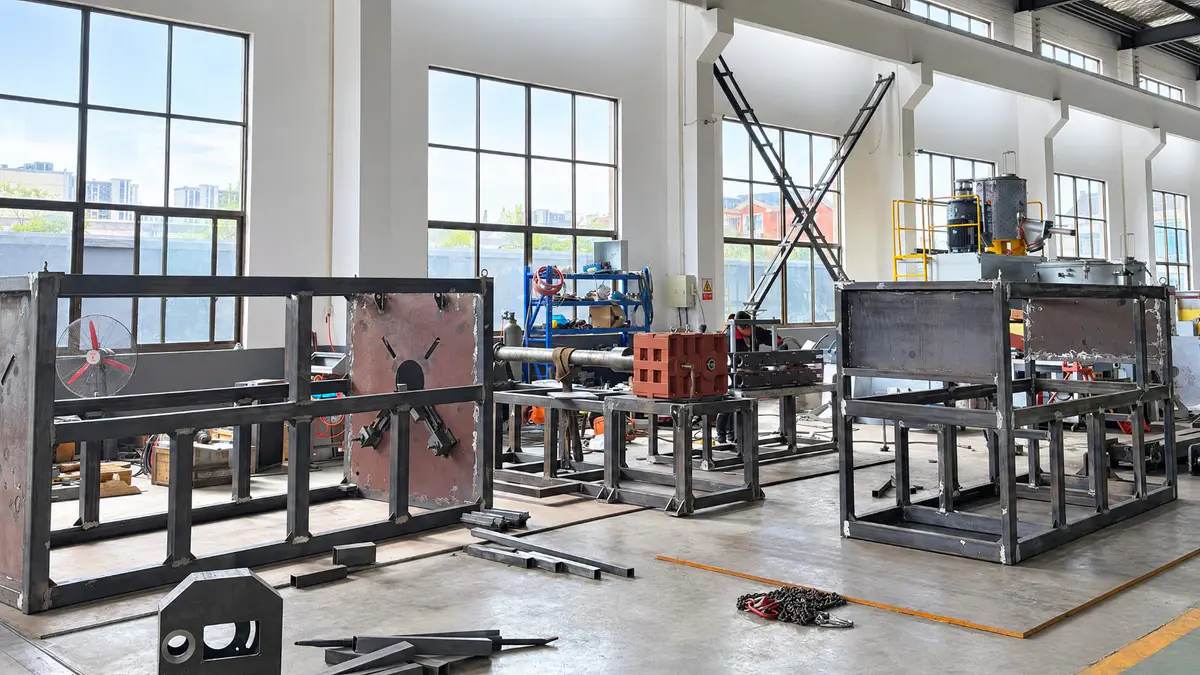
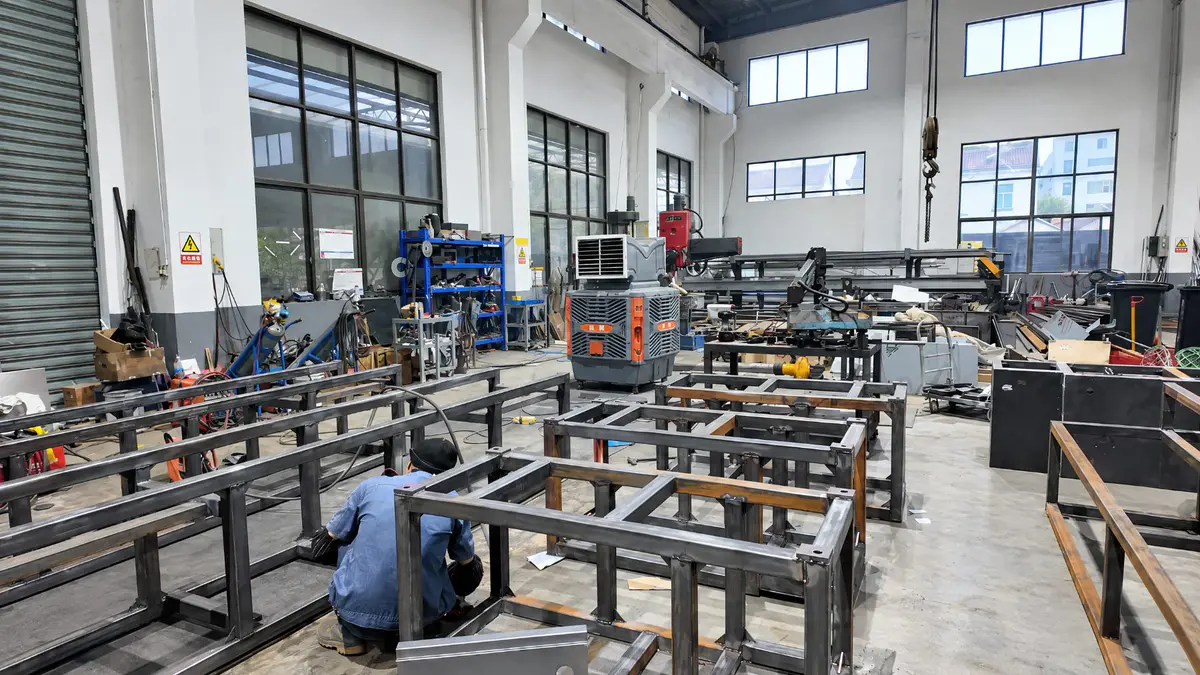
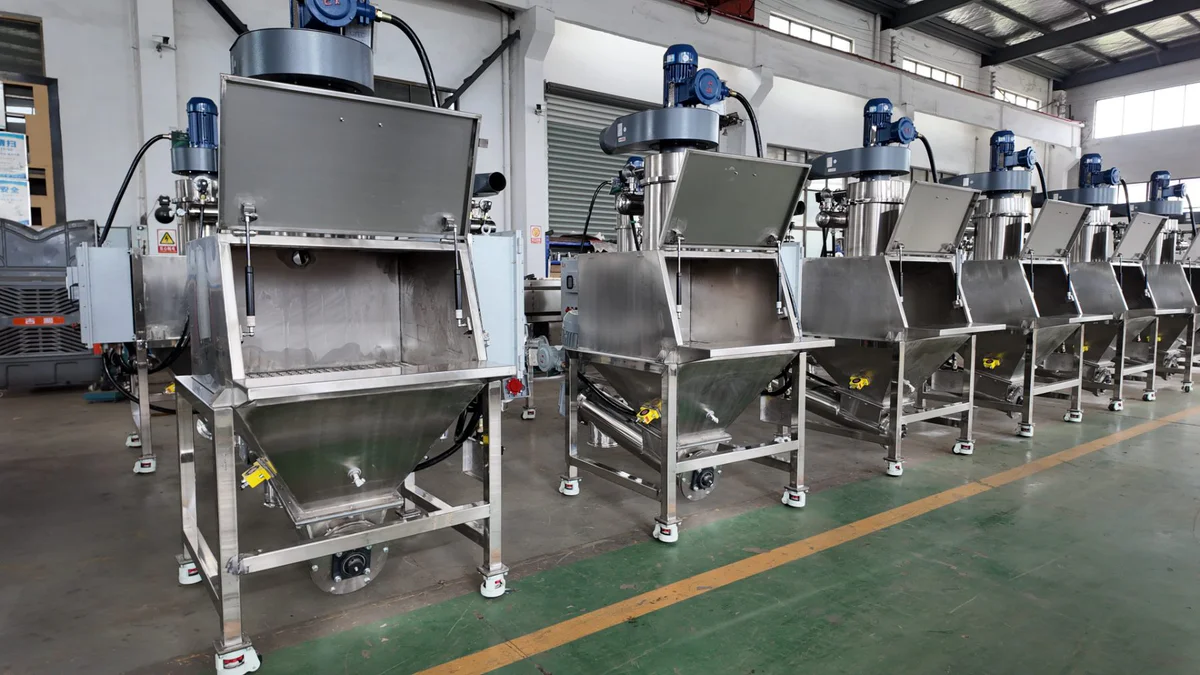
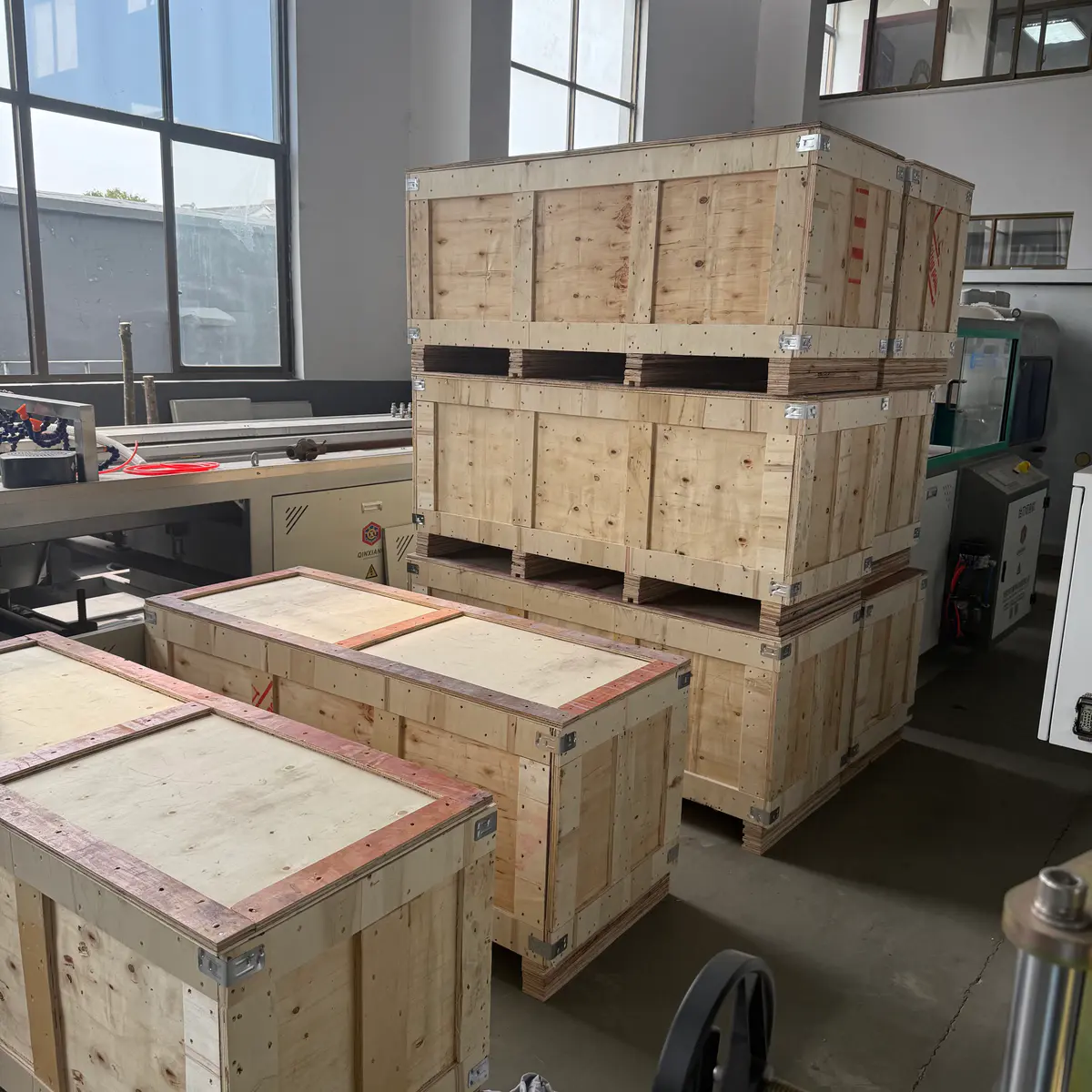
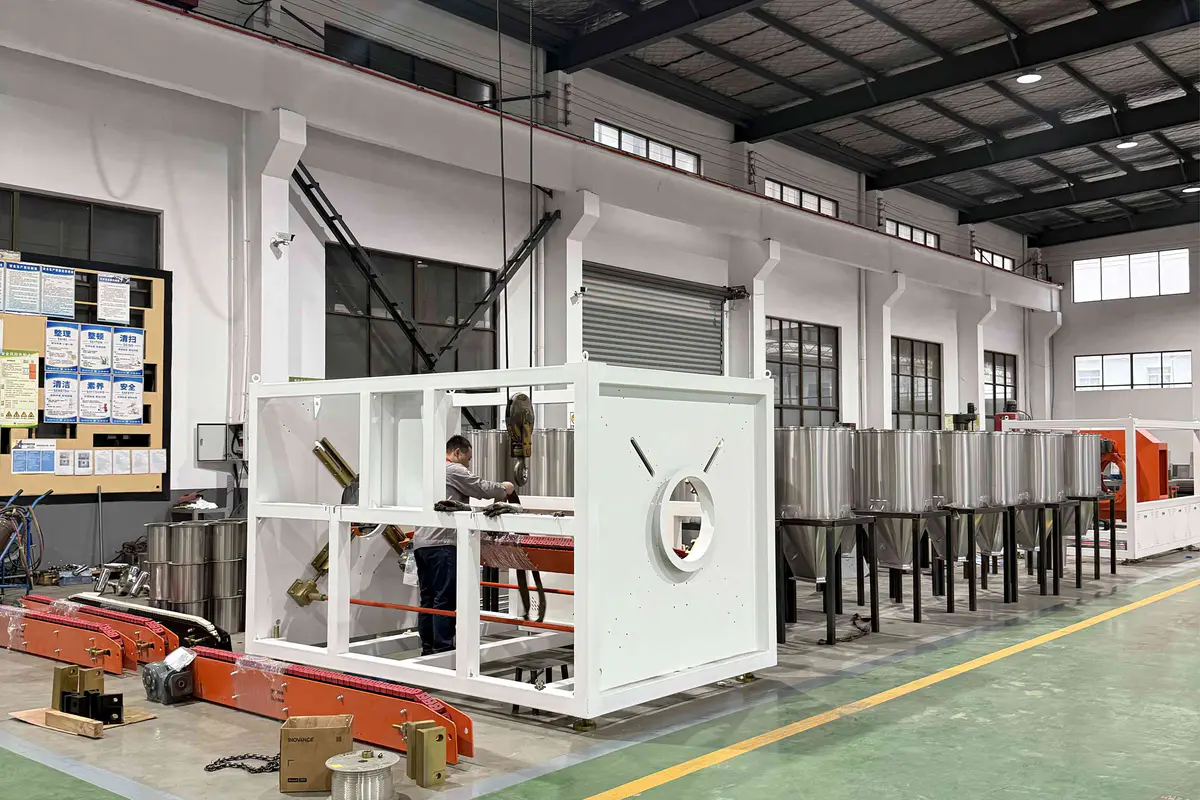


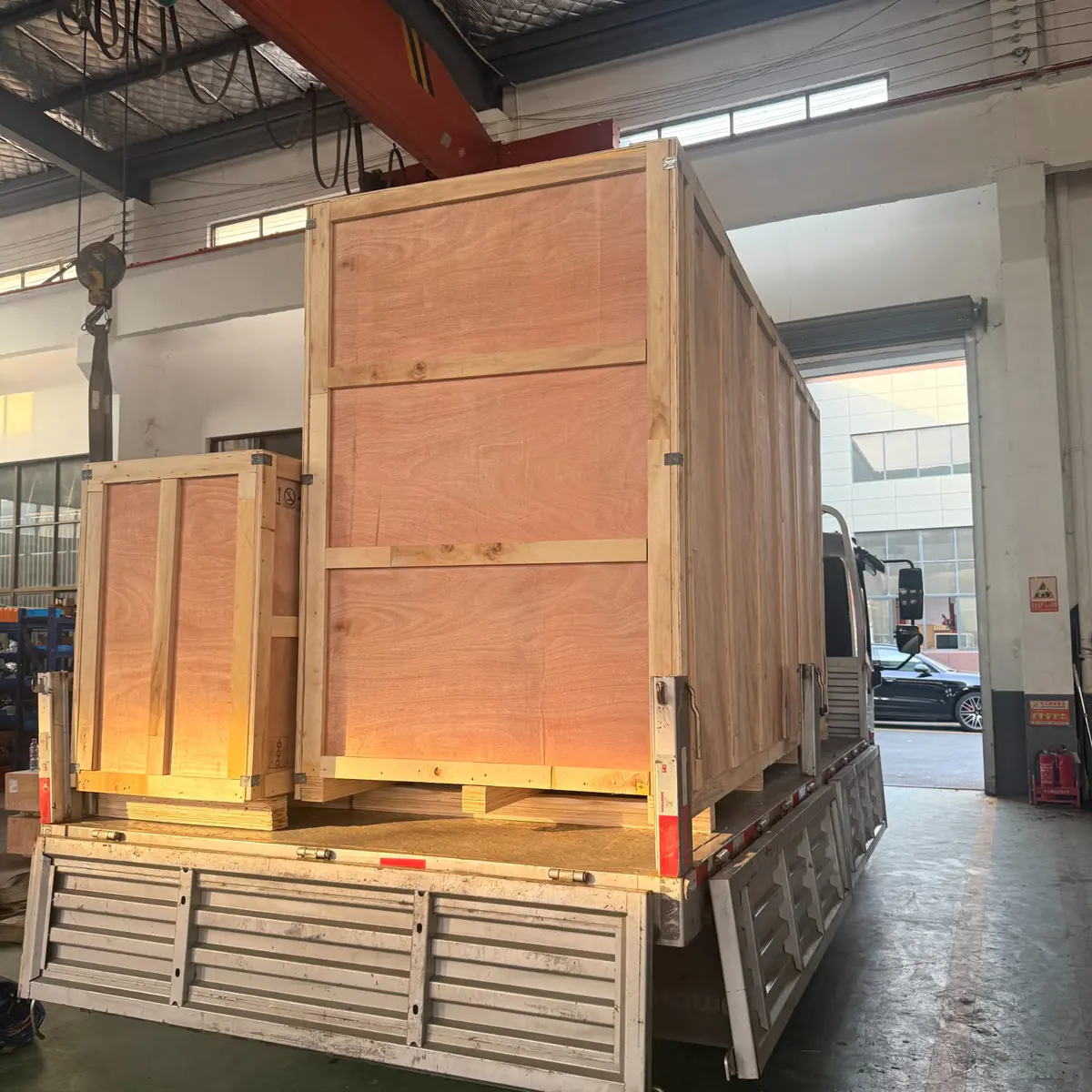
What We Handle Inside Our Own Factory
Want to see your own board running before the line ships? Send your material and board specification and we arrange a trial run with photos and video.
Board Extrusion Line Project Process
A board line project starts with the finished board you plan to produce. Material, formulation, width, thickness, density, surface finish, stable output, and downstream processing get confirmed step by step before manufacturing, trial running, and shipment.
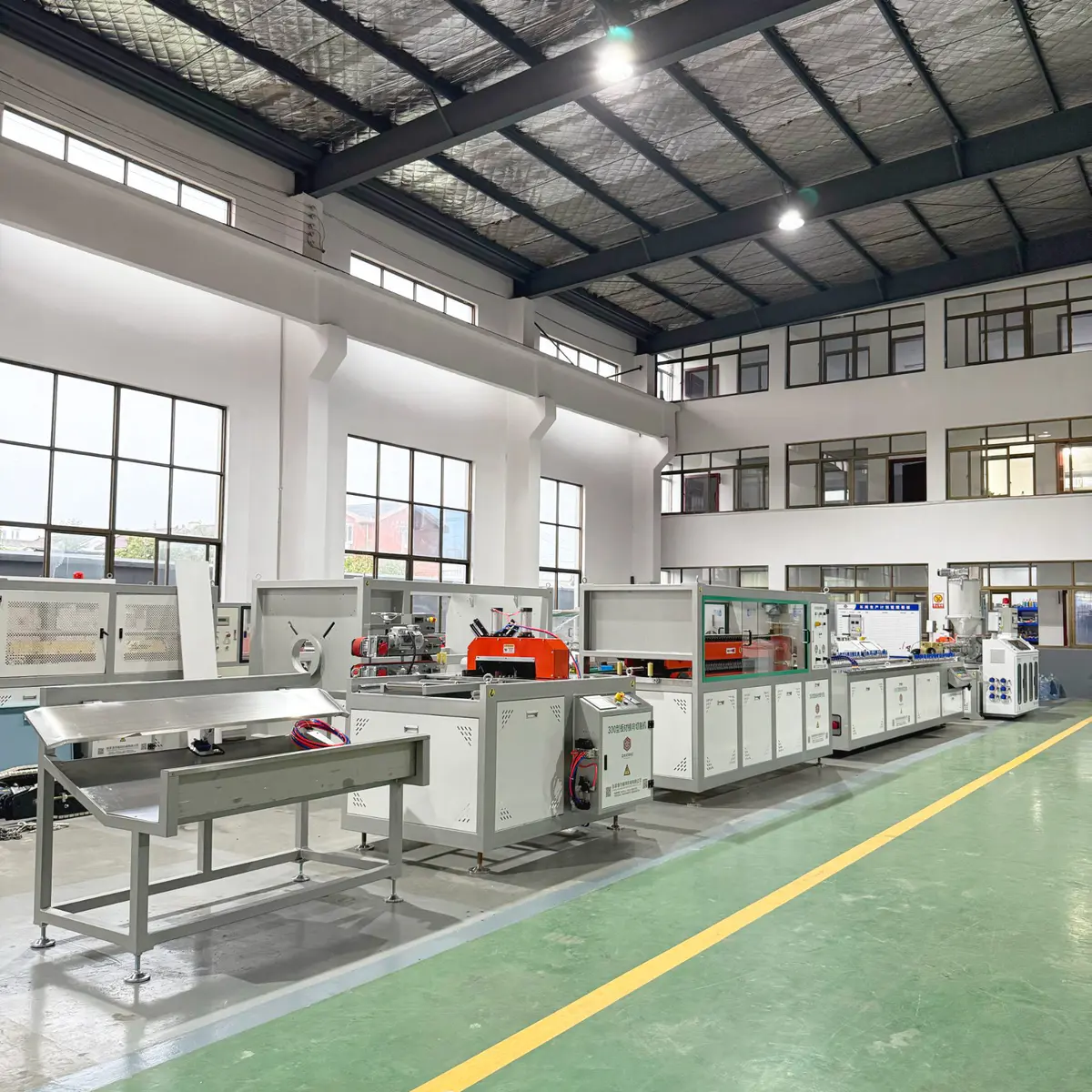
Board Requirement Review
Share your board material, target width, thickness range, density or weight requirement, surface finish, output target, and final application.
Product photos, board samples, technical specifications, or a workshop layout help us read the project properly and spot the production requirements that matter most.
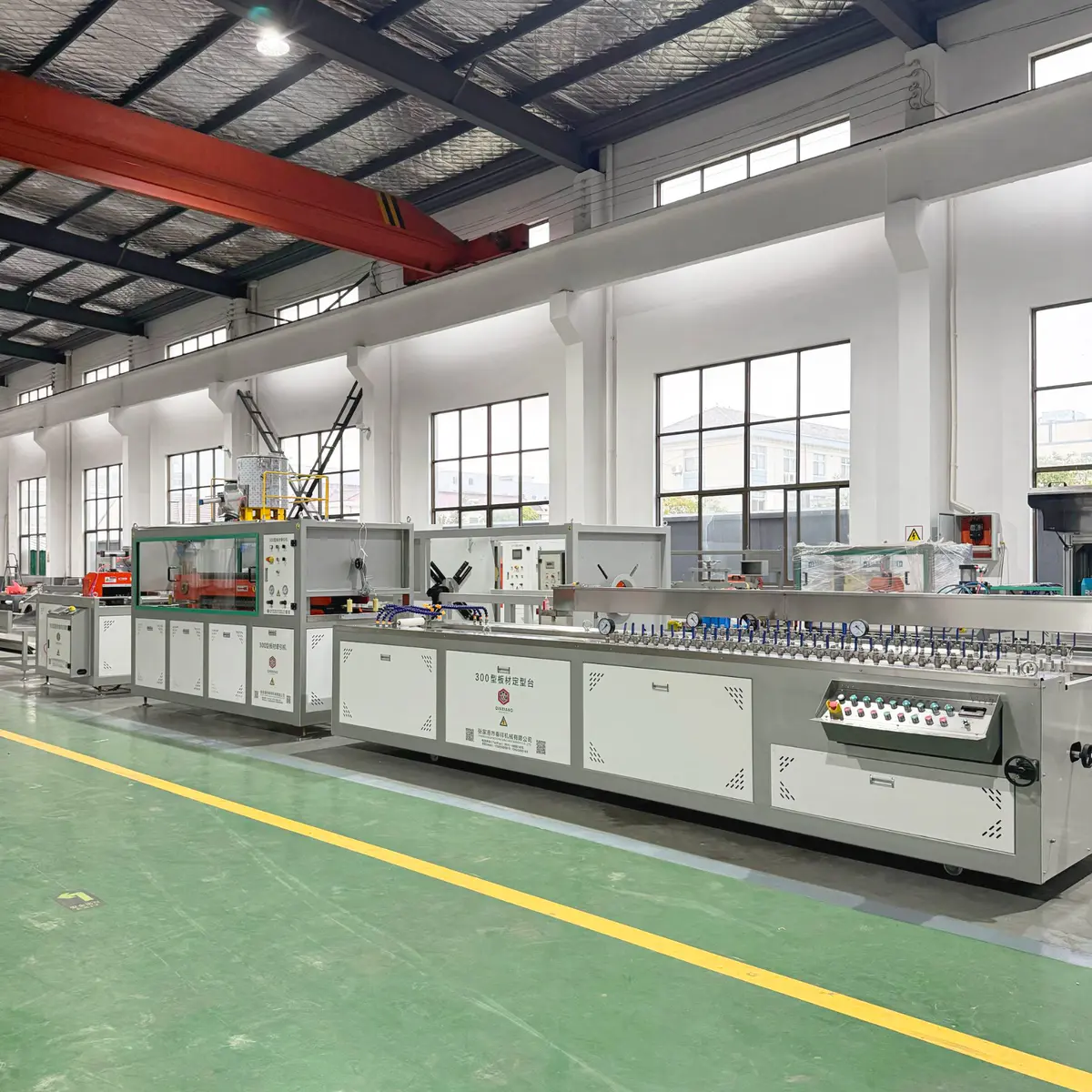
Material And Process Review
We review the raw material and processing conditions before any equipment is selected.
PVC foam board projects turn on mixing, formulation, and foaming control. WPC board projects need attention on wood powder moisture, filling ratio, and material dispersion. PE and PP thick board projects need stable melt flow, enough cooling, and internal stress control.
Recycled material ratio, additives, and the material preparation you need are all confirmed at this stage.
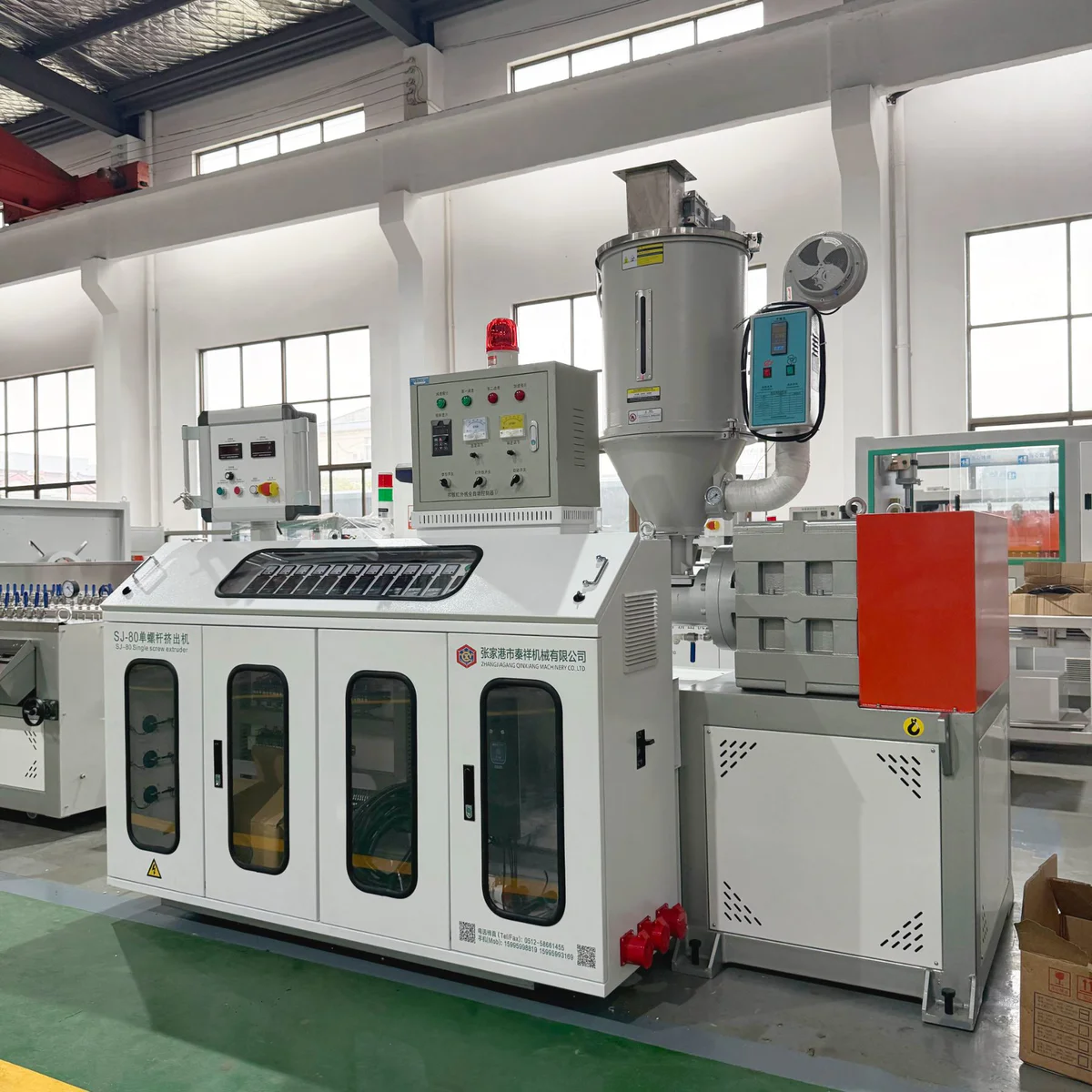
Complete Line Configuration
The complete line is configured against the agreed board specification.
Depending on the project this covers material preparation, feeding, extruder, screen changer, melt pump, board die, calibration, cooling, haul off, edge trimming, cross cutting, stacking, and optional surface finishing equipment.
The downstream equipment is matched to the extruder, not sold on as a separate standard package.
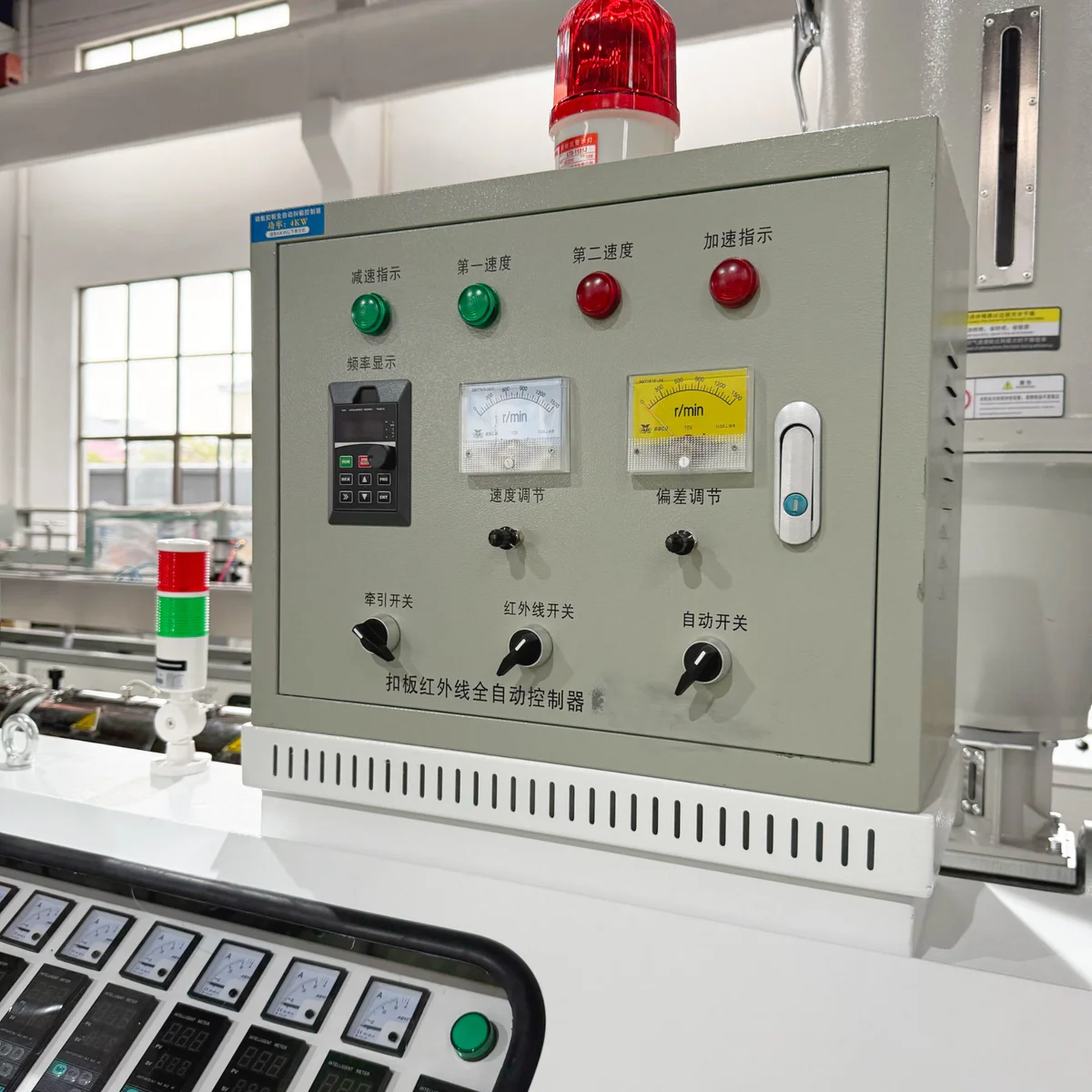
Technical Proposal And Quotation
The proposal defines the main equipment, board width and thickness range, output reference, installed power, line dimensions, optional equipment, and service scope.
Output is evaluated against material, formulation, board dimensions, density, and cooling capacity. It does not follow from the extruder model on its own.
Any technical condition still left open gets named before production starts, rather than discovered later.
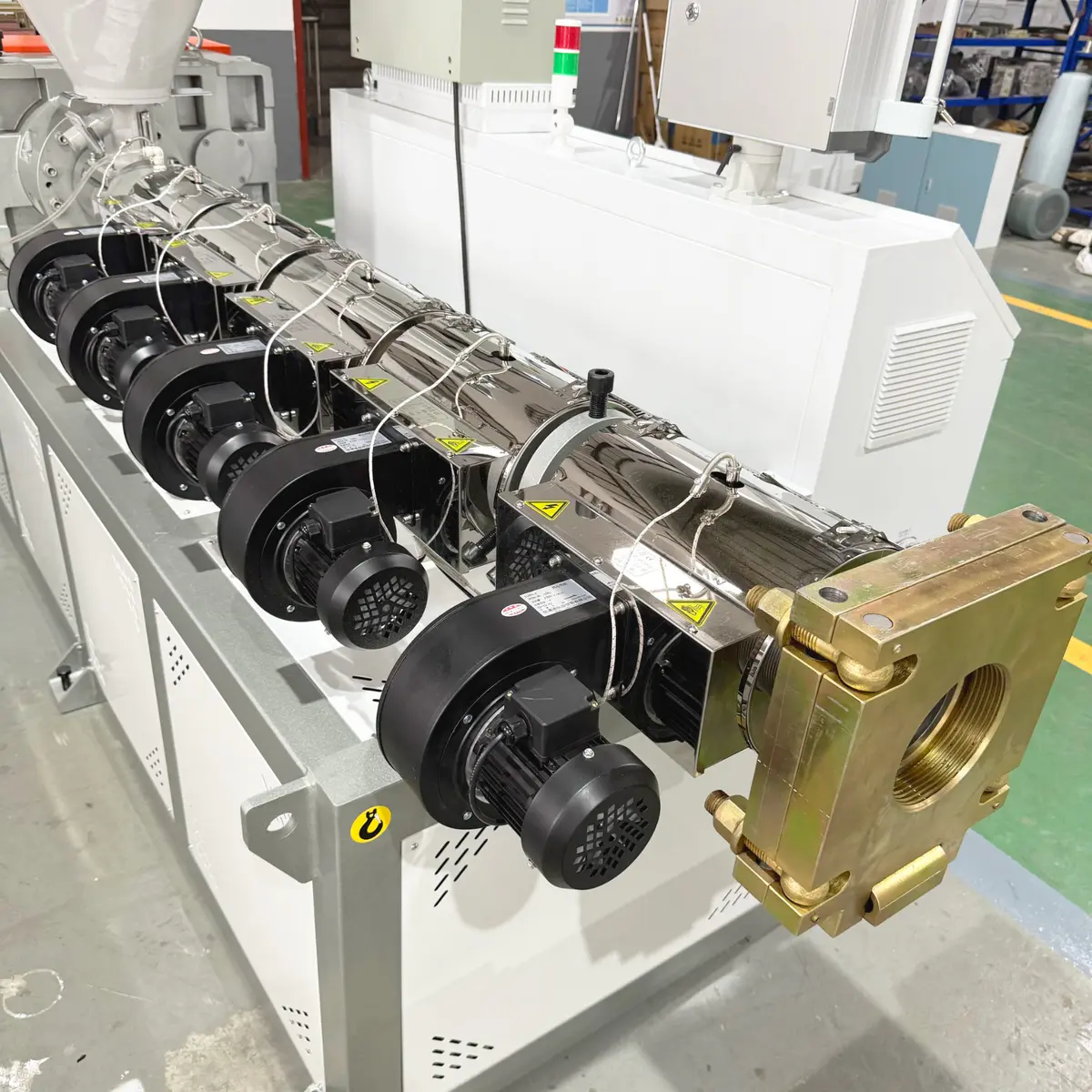
Manufacturing And Line Assembly
The extruder, die, calibration, cooling, cutting, stacking, and control systems are manufactured and assembled to the approved configuration.
Key equipment is connected and checked as one complete production line, so mechanical, electrical, and downstream interfaces are verified before the trial run rather than during installation at your factory.
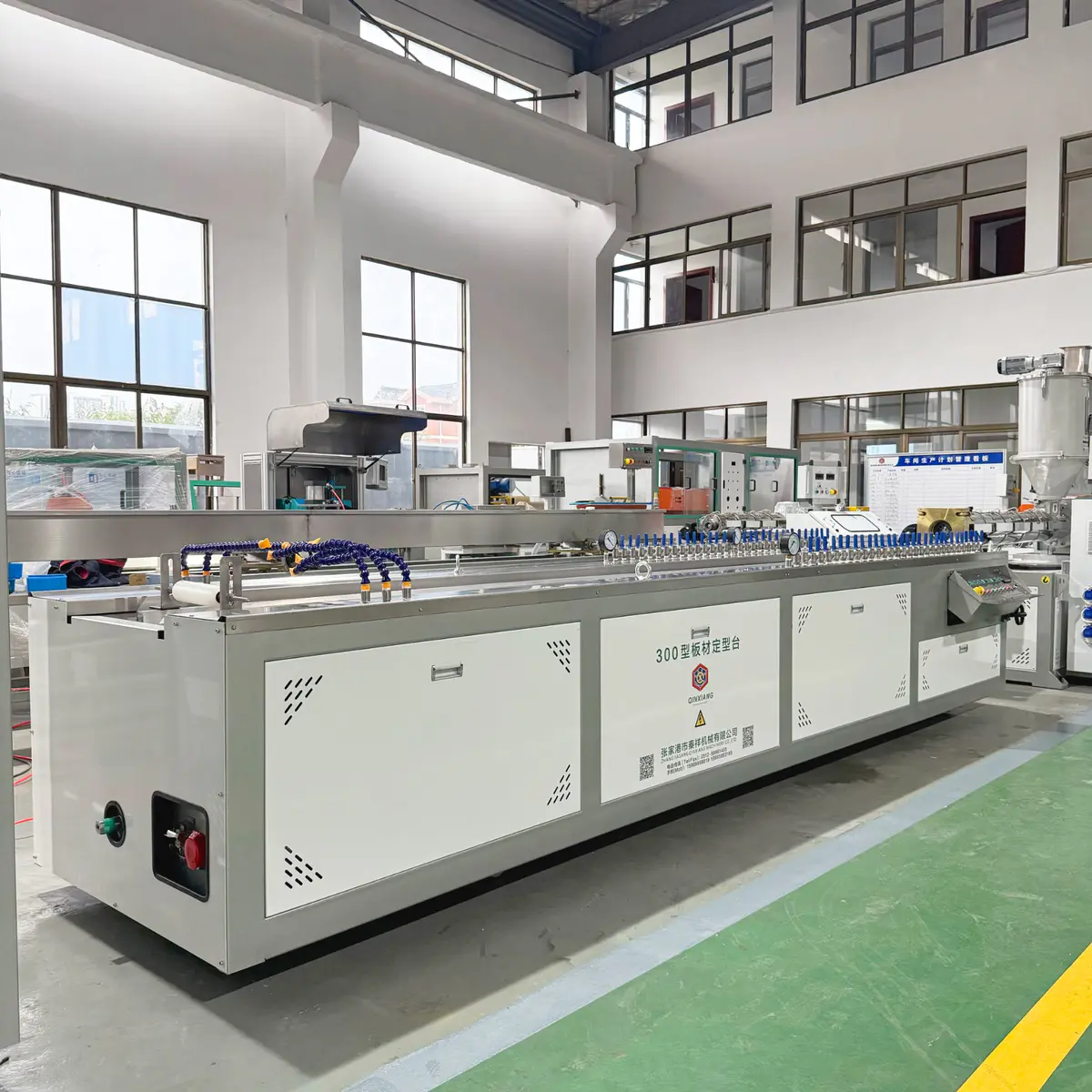
Trial Run And Board Confirmation
A trial run is arranged under the agreed material and testing conditions.
The review covers extrusion stability, board width, thickness, density, surface quality, flatness, internal structure, cutting accuracy, and stacking performance. Finished board samples, photos, video, or inspection records are prepared for your confirmation when you need them.
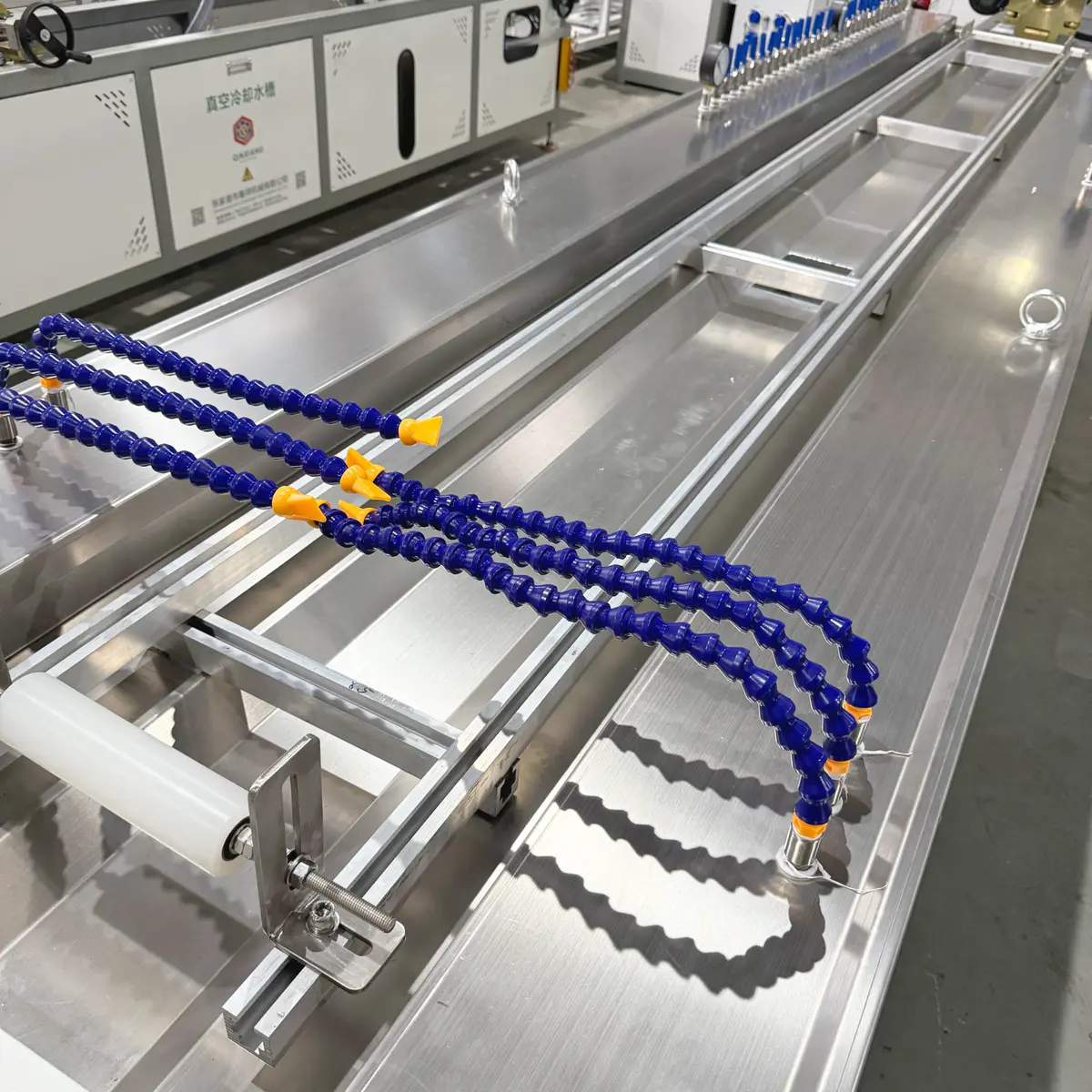
Packing, Shipment And Start Up Support
Once the agreed checks are done, the equipment is prepared for export packing and shipment.
Operation manuals, electrical drawings, spare parts lists, and installation guidance ship with the line. Remote or on site commissioning and operator training are arranged to match your project scope.
Start Your Board Line Project
Send your material, board width, thickness, density, surface requirement, output target, and final application. We review the key process conditions first and prepare the line configuration after that.
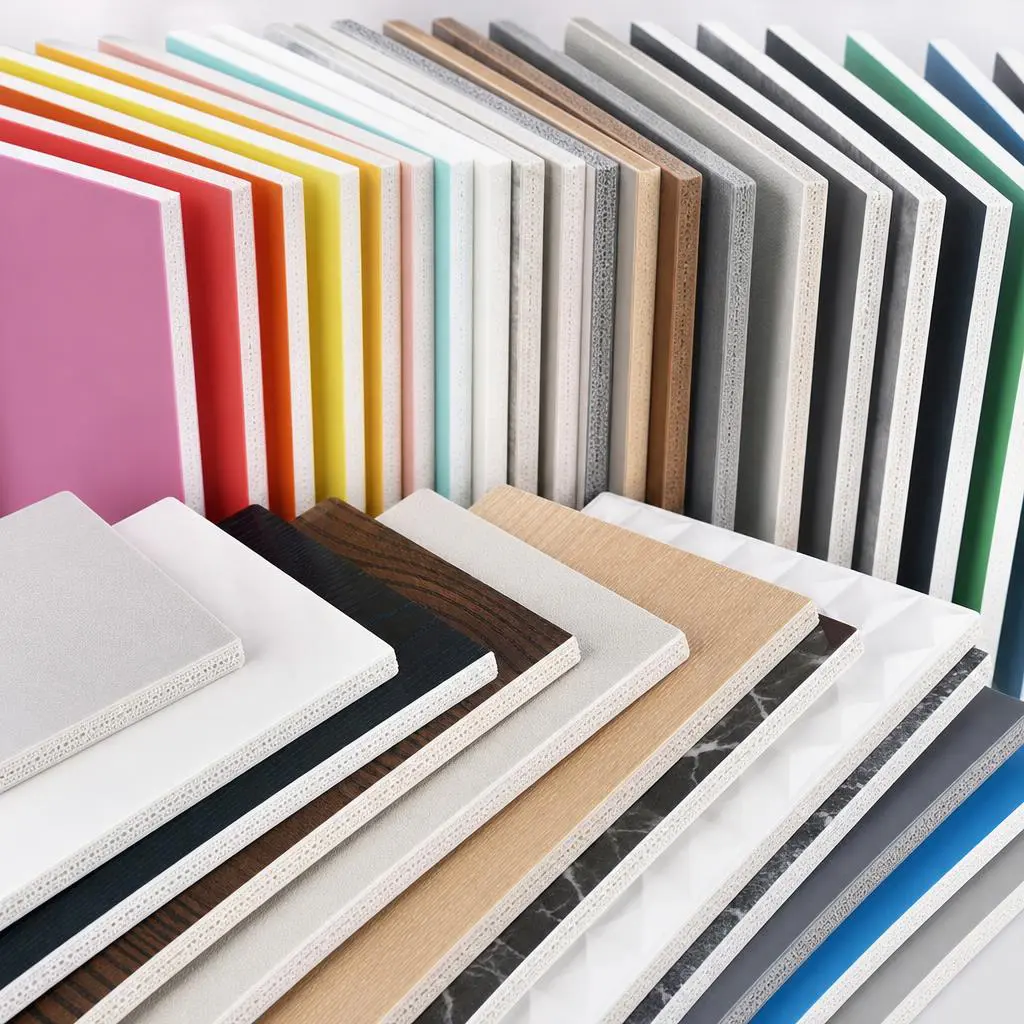
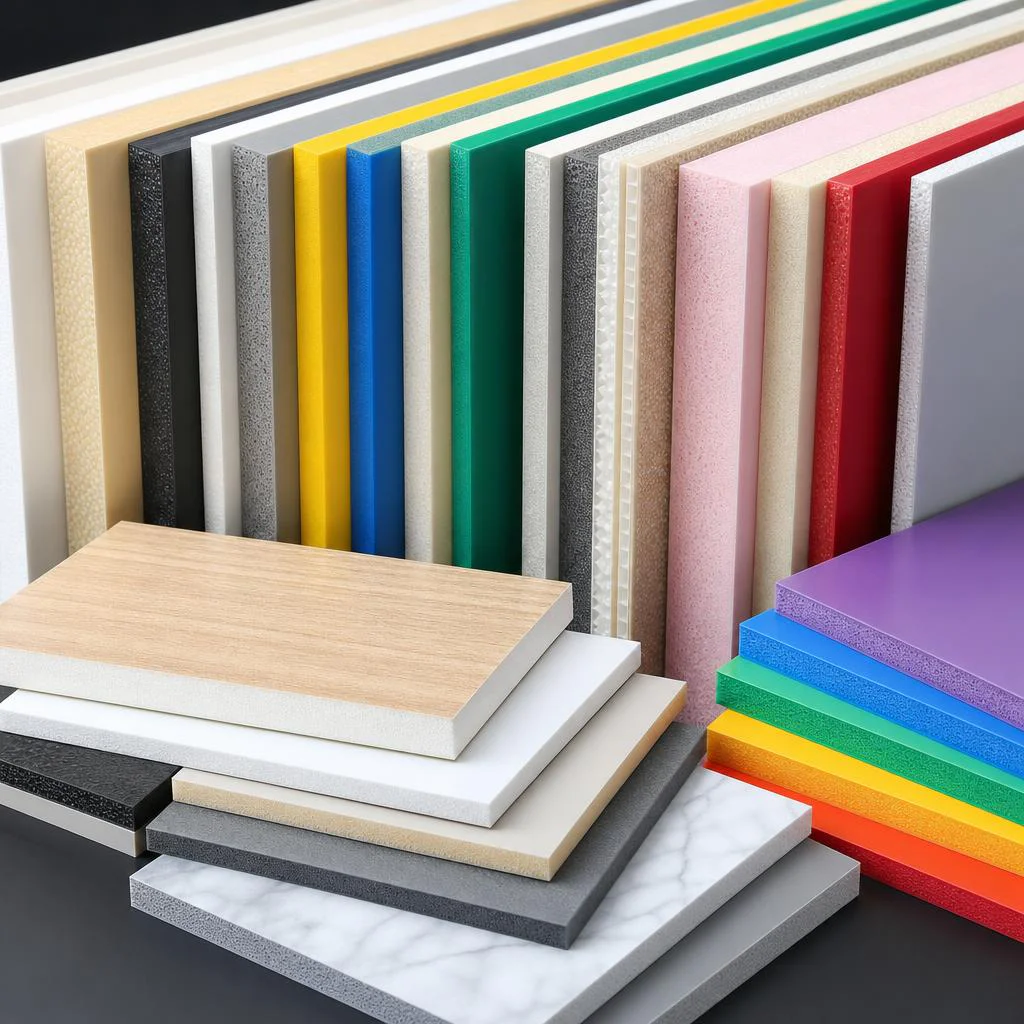
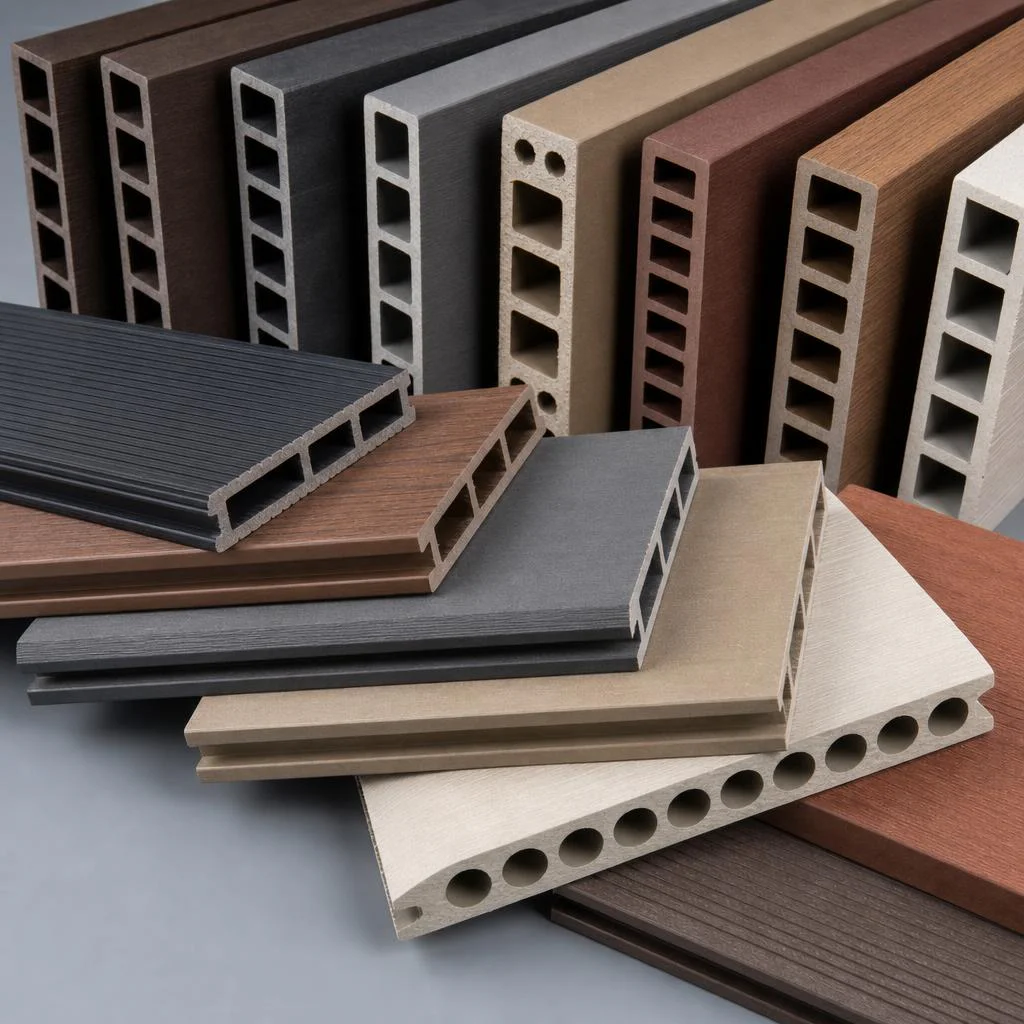
Board Samples And Trial Runs
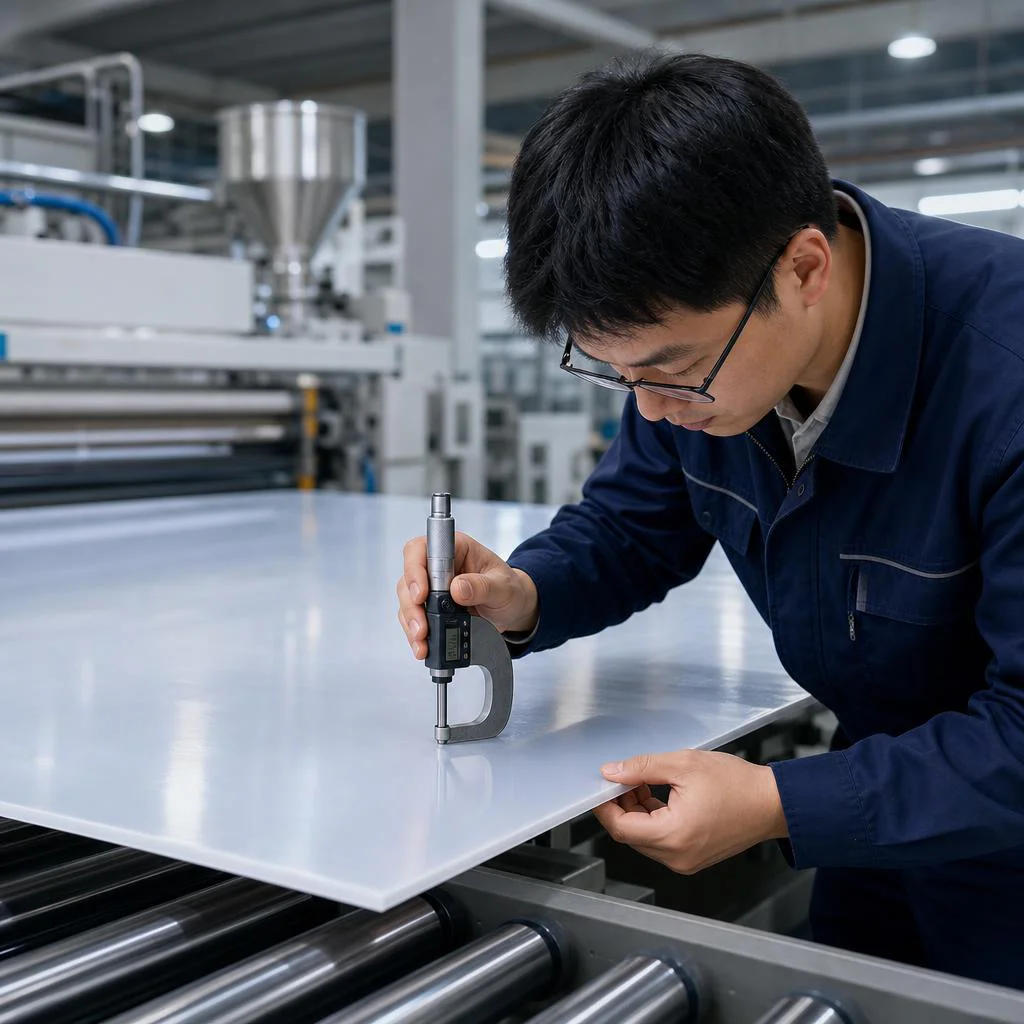
Finished board samples and a trial run are the practical evidence that the complete line produces your agreed board under defined material and operating conditions. The review is about board quality and stable operation, not whether each machine can start.
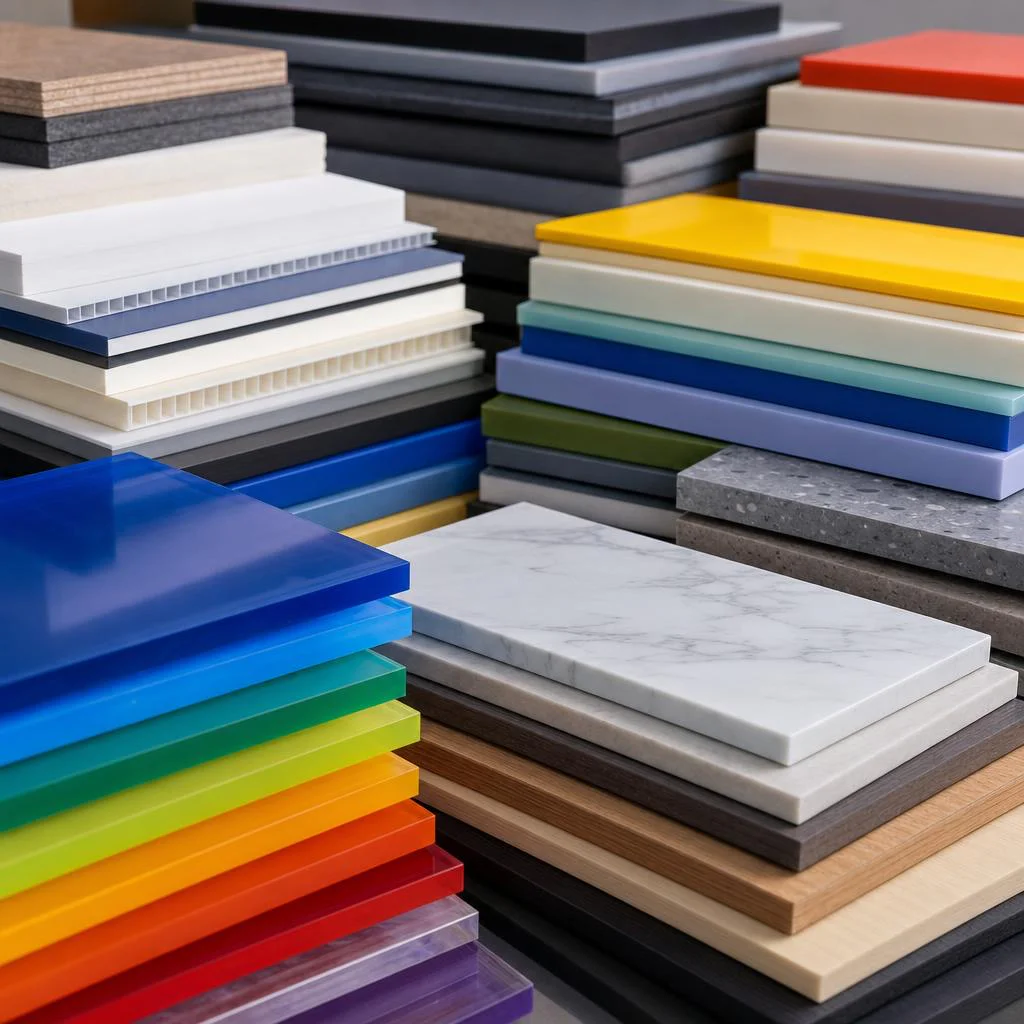
Finished Board Samples
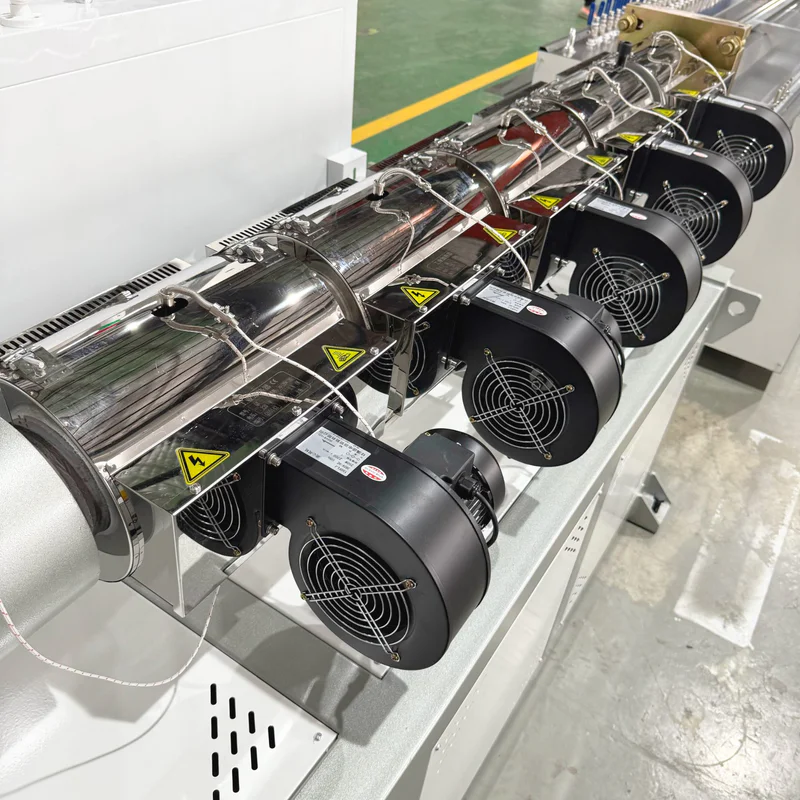
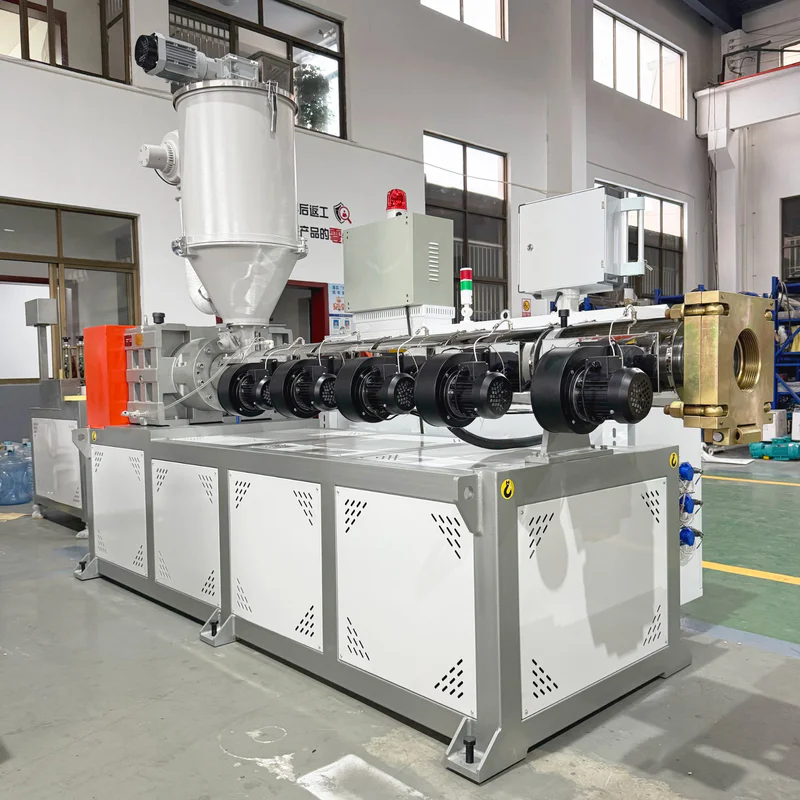
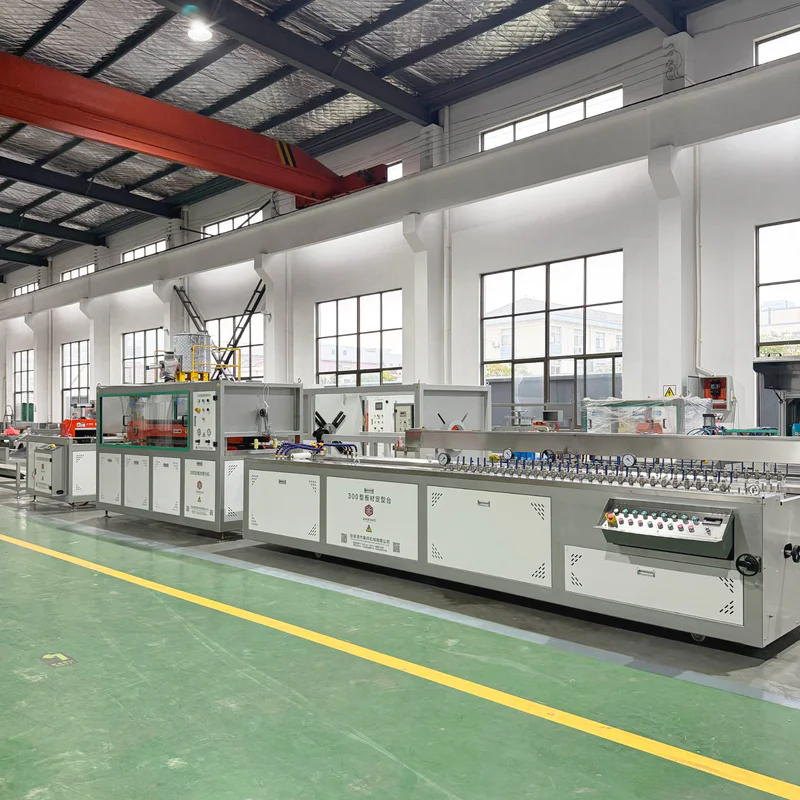
A finished sample shows how your material preparation, extrusion, die, calibration, cooling, cutting, and surface treatment actually work together. What we check changes with the board.
PVC Foam Board
Width, thickness, density, board weight, flatness, surface hardness, cell structure, and cutting edge.
WPC Board
Moisture related defects, material dispersion, density, surface texture, deformation, internal voids, and readiness for sanding, brushing, or embossing.
PE And PP Thick Board
Thickness consistency, flatness, dimensional stability, internal stress, cooling effect, and cutting accuracy.
Sample photos, measurement records, or physical board samples are prepared according to the agreed project scope.
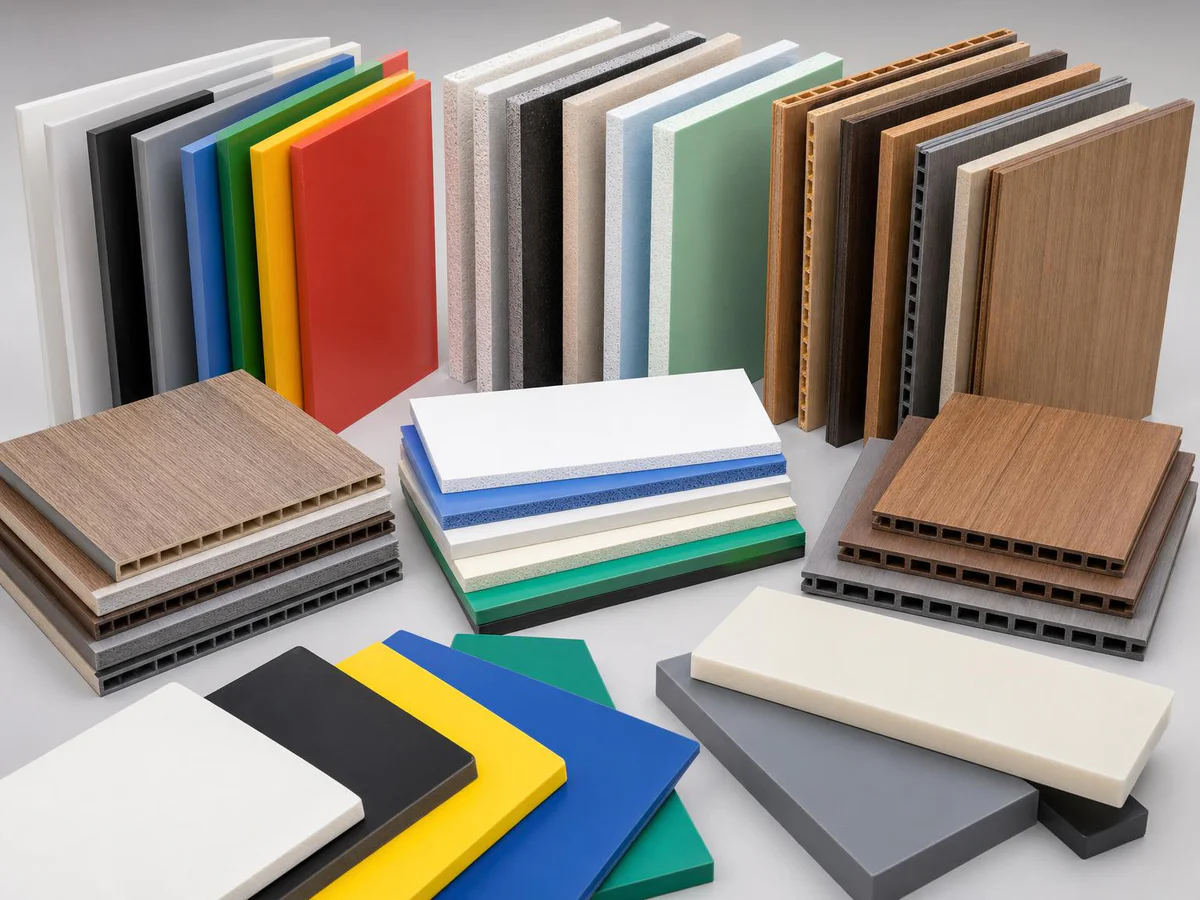
Checked By Board
Density, flatness, structure
Sample Gallery

Run Before Shipment
Video and records on request
Trial Runs Before Shipment
A trial run is arranged on your agreed raw material, board dimensions, and testing conditions. The point is to see whether the material system, extruder, die, calibration, cooling, haul off, cutter, and stacker work together as one production line.
The conditions have to be defined up front. A short machine operation with no agreed material, board thickness, or quality target proves nothing about production performance, and you should not accept it as evidence.
Peak output during a brief test is not the same thing as stable output of qualified board. We check for the second one.
Typical Trial Run Checks
Material Preparation And Feeding
Whether mixing, drying, dosing, and feeding stay stable for your selected PVC, WPC, PE, or PP formulation.
Extrusion Stability
Motor load, temperature control, melt condition, pressure stability, and continuous material output across the test.
Board Forming And Calibration
Whether the die and calibration system form your required board width and thickness without visible surface or dimensional problems.
Cooling And Flatness
Whether the cooling section is enough for your board thickness and output, and whether the board stays flat after it leaves the line.
Density And Internal Structure
On PVC foam board and WPC board, density, board weight, cell structure, internal voids, and material dispersion where they apply.
Surface Quality
The finished face checked for flow marks, rough areas, scratches, black spots, uneven texture, and other visible defects.
Cutting And Stacking
Cut length, edge condition, board support, transfer, and stacking, tested with your planned board dimensions and weight.
Stable Production Review
Whether the complete line holds the agreed operating condition while the board it produces still passes every check above.
What You Receive From The Trial Run
Everything below is prepared and sent for your confirmation before the line is packed. If your buyer or inspection body needs a specific record format, tell us early and we prepare it during the run.
What To Send For A Quote
You do not need a complete technical specification at this stage. Start with the basic board requirements on the right, and the remaining process details get confirmed during the technical discussion.
Not sure on a point? Leave it out. We fill the gaps with a sensible starting range and confirm the details with you before anything is finalized.
- Reply with a configuration and price in 24 hours
- Drawings and spare parts list on request
- Configured to your market voltage and standard
-
01
Board Material
The main material you plan to process, such as PVC, PVC and WPC compound, PE, or PP. If you use fillers, wood powder, or recycled material, share the approximate ratio when you have it.
-
02
Board Type
Whether you want to produce PVC foam board, WPC board, or PE and PP thick board. A product photo or a similar board sample works fine if the description is hard to pin down.
-
03
Width And Thickness
Your target board width and thickness range. These dimensions drive the die, calibration, cooling, haul off, cutting, and stacking systems.
-
04
Density Or Board Weight
For PVC foam board and WPC board, your target density or board weight when available. No confirmed value yet? Tell us the intended application and we discuss a suitable range.
-
05
Surface Requirement
Whether the finished board should be smooth, laminated, sanded, brushed, embossed, film covered, or prepared for printing and further fabrication.
-
06
Final Application
How the board gets used, such as furniture, advertising, decoration, construction, chemical equipment, industrial lining, welding, or machining. The end use sets the flatness, rigidity, surface, and dimensional control we build for.
-
07
Output Target
Your expected stable output if you have it. If not, send your planned production volume, working hours, or current equipment capacity and we work out a suitable line range with you.
Send whatever you have. Missing details are fine, we confirm them with you before the final quote.
Frequently Asked Questions
Common questions on choosing a board line, thickness and density control, surface finishing, and downstream setup. Do not see yours? Send it over and we answer with your project in mind.
How do I choose between PVC foam board, WPC board and PE or PP thick board lines?
The right line follows from your material and the finished board application. PVC foam board lines focus on plasticizing, foaming, density, surface hardness, and flatness. WPC board lines add control over wood powder moisture, material dispersion, filler ratio, and surface treatment. PE and PP thick board lines put the weight on melt stability, cooling capacity, internal stress, dimensional stability, and cutting accuracy.
Board width, thickness, density, surface requirement, and final application should all be confirmed before the equipment is selected.
Can one board extrusion line process different materials?
A line can cover a limited range of compatible formulations, but PVC, WPC, PE, and PP process very differently from each other.
PVC and WPC generally need twin screw extrusion, while PE and PP thick board commonly runs on single screw. Their feeding, temperature control, die, calibration, cooling, and material cleaning requirements differ as well.
No line should be sold to you as suitable for multiple materials until the formulations, changeover requirements, and acceptable product quality have been reviewed together.
What determines the configuration of a board extrusion line?
The main factors are material, formulation, board width, thickness range, density, surface finish, stable output, and downstream process.
Between them they set the material preparation system, screw design, extruder size, die, calibration method, cooling length, haul off, cutter, stacker, and optional finishing equipment.
Choosing by extruder model alone is what leads to insufficient cooling, poor flatness, or downstream equipment that cannot support the output you planned for.
How is board thickness controlled during production?
Thickness stability comes from consistent material feeding, stable extrusion pressure, even die flow, correct die adjustment, calibration, haul off speed, and cooling.
Thickness should be checked at several positions across the board width, not at one point. On wider or thicker board, melt distribution, cooling balance, and board support all carry more weight.
Define your required thickness range and tolerance before the die and downstream system are selected.
How can PVC foam board density be controlled?
Density is affected by formulation, mixing consistency, feeding stability, twin screw plasticizing, foaming conditions, die flow, calibration, and cooling.
Cutting density without holding enough cell structure and surface support gives you a soft core, weak edges, poor rigidity, or deformation. The target density belongs in the same conversation as board thickness, strength, surface hardness, and final application.
Density is checked using board dimensions and sample weight under agreed production conditions.
What should be considered when producing WPC board?
Wood powder moisture, filler ratio, recycled material content, and material dispersion are the critical points. Excess moisture brings bubbles, internal voids, and rough surface. Poor dispersion brings density variation and weak areas.
The line needs drying, mixing, feeding, and extrusion systems suited to your formulation. Screw and barrel wear resistance is worth settling too, since wood powder and mineral fillers accelerate wear over a long production life.
Confirm your sanding, brushing, embossing, or lamination requirements before the downstream equipment is selected.
Why is cooling especially important for PE and PP thick board?
PE and PP thick board releases heat slowly. The surface can feel cool while the core is still hot, and that turns into shrinkage, warpage, or deformation after cutting, stacking, welding, or machining.
Cooling length, board support, line speed, and stacking temperature are matched to your actual board thickness and stable output.
A higher extrusion output buys you nothing if the cooling section cannot stabilize the board before it reaches the cutter and the stack.
What surface finishes can be produced?
What is available depends on the board material and final use. PVC foam board may need a smooth surface for printing, lamination, or furniture production. WPC board may need sanding, brushing, or embossing. PE and PP thick board may need a clean surface for welding, machining, or lining.
Optional equipment covers sanding, brushing, embossing, lamination, and protective film application. Confirm the finish you need before the line layout is finalized.
Can recycled material be used in board production?
Recycled material can be used when your formulation and finished product requirements allow it, but the workable ratio depends on contamination, moisture, particle consistency, color, filtration, and the board performance you need.
A higher recycled ratio affects surface appearance, extrusion stability, mechanical properties, and internal structure. Stable dosing, mixing, and filtration all become more important once recycled material enters the line.
Test the ratio you have in mind under defined conditions rather than assuming it from extruder capacity.
What should be checked during a trial run?
A trial run verifies the complete line under agreed material and operating conditions. Typical checks cover feeding stability, extrusion load, temperature and pressure, board width, thickness, density, surface quality, flatness, internal structure, cooling, cutting, and stacking.
Agree the material formulation, board specification, and inspection criteria before testing starts. A brief no load run, or a short operation with no defined board requirement, demonstrates nothing about stable production.
Samples, measurement records, photos, video, or FAT records are prepared according to the agreed project scope.
Still have a question about your board extrusion line?
Start Your Board Line Project With Maggie
Whether you need a line matched to your board, an upgrade on an old one, or just help picking a direction, send what you have. Maggie replies personally within 24 hours with real configuration details and a clear next step.

Maggie
Board Line Sales, QTech Machinery
Replies within 24 hoursEvery message here reaches me directly. Tell me about your board, density target, and output needs and I come back with a line configuration and a real quote, not a brochure.
Your material, board width, thickness range, or a product photo is enough to start. We supply board, sheet, granulating, and recycling lines to factories and importers across 60+ countries.
Maggie
Sales, Zhangjiagang Qinxiang Machinery Co., Ltd.
Tell Us About Your Board Line Project
Fields marked are required.