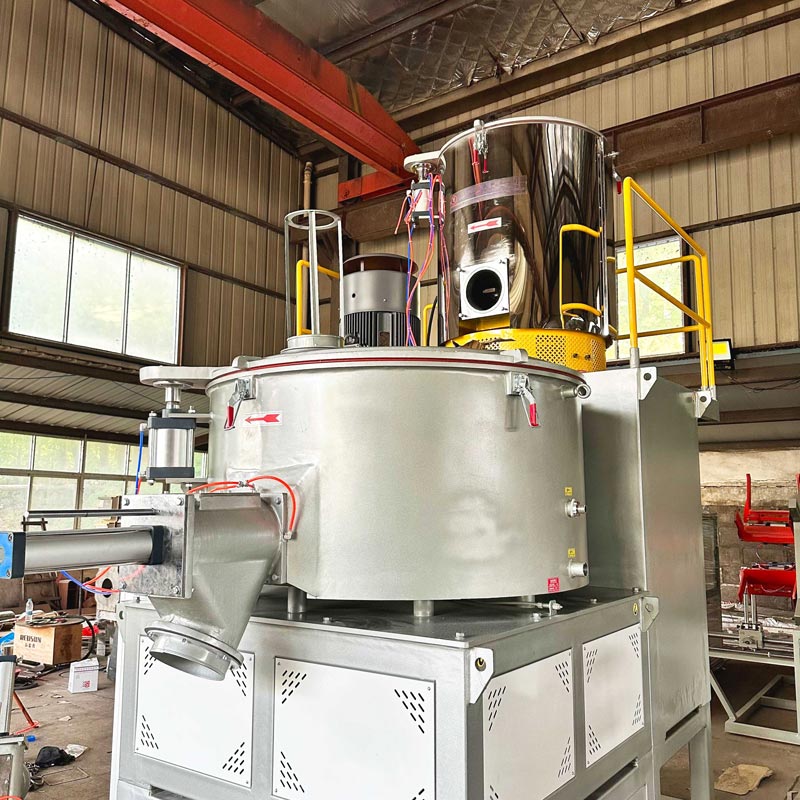
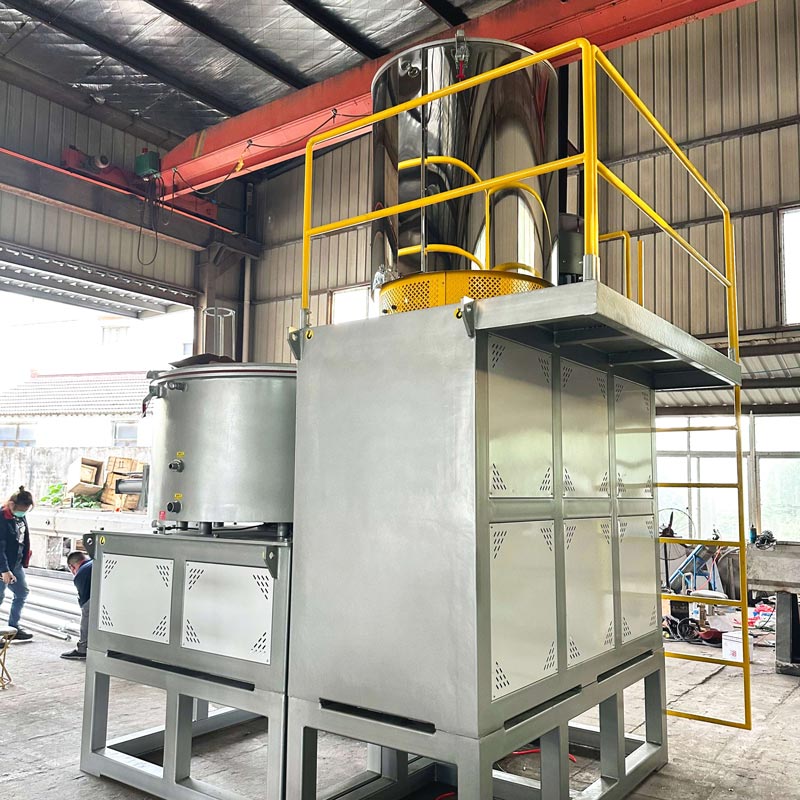
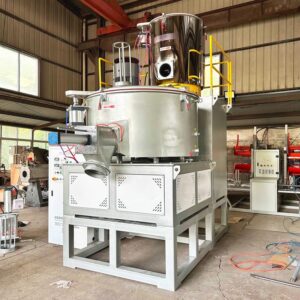
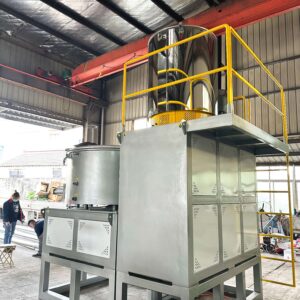
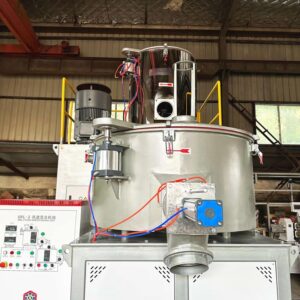
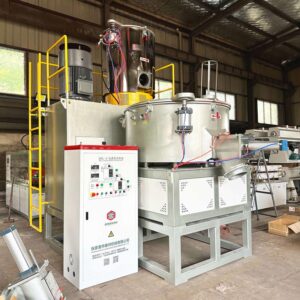
Key Features of the SRL500/1000 High-Speed Mixer Unit
Innovative Mixing Technology
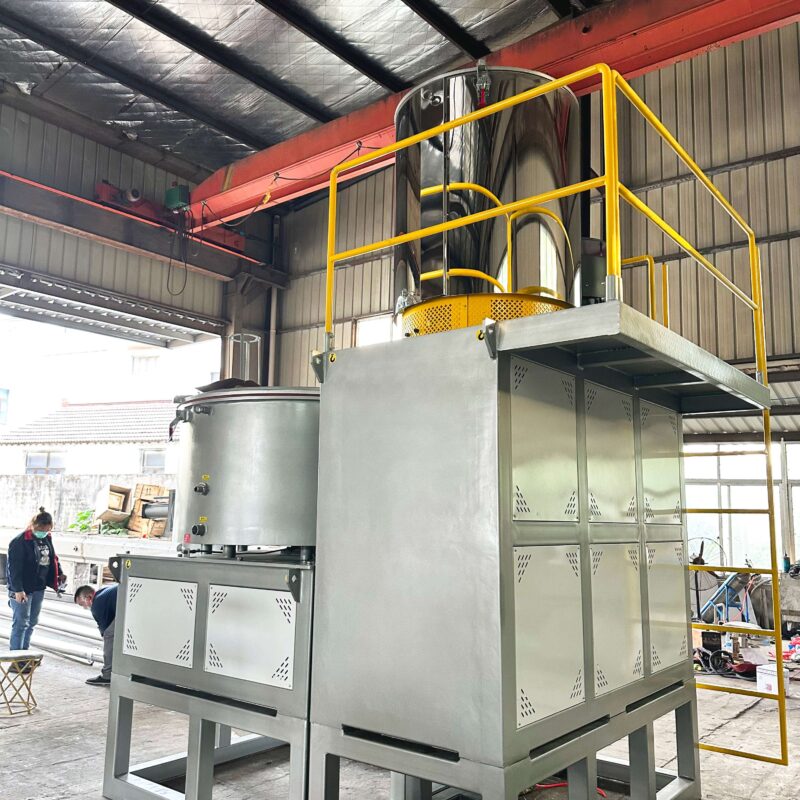
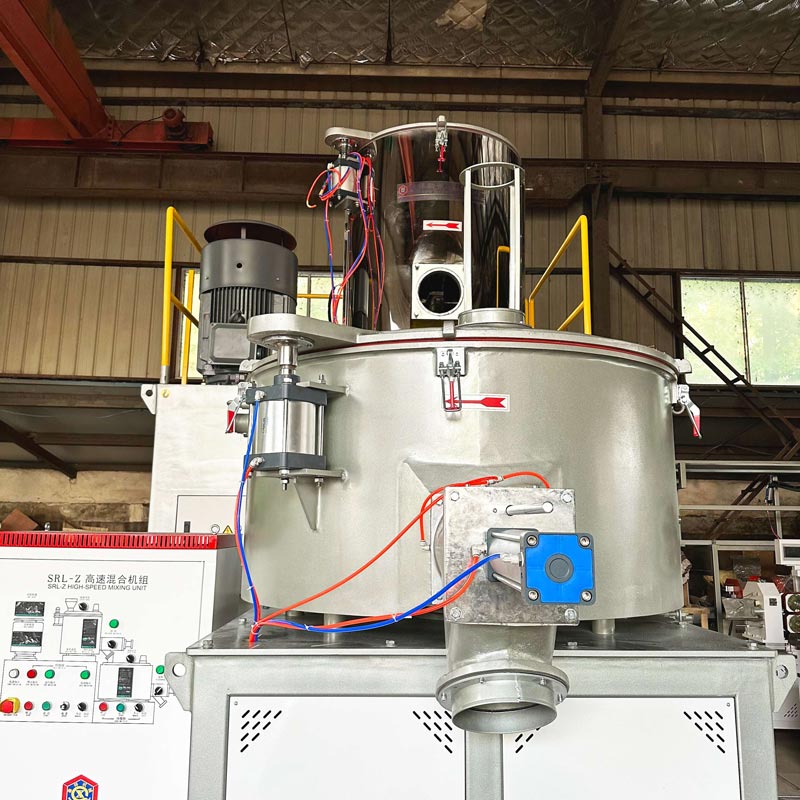
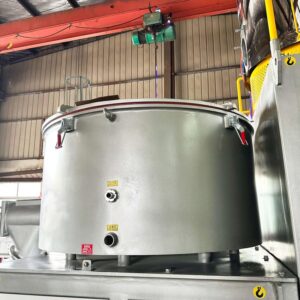
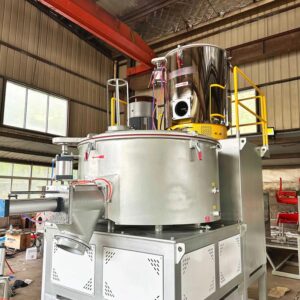
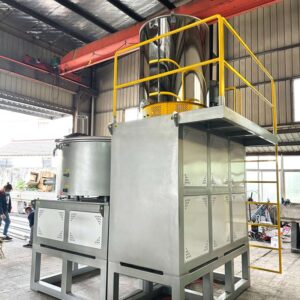
- High-speed hot mixer (SRL500) paired with efficient cooling mixer (SRL1000) for rapid thermal exchange, enabling short batch cycles and stable bulk density.
- Precision rotor geometry with multi-level blades creates strong vortex flow, intensive shear, and micro-dispersion for consistent color and additive distribution.
- Optimized hot/cold ratio ensures fast gelation and deagglomeration while preventing thermal degradation and yellowing.
Materials and Build Quality
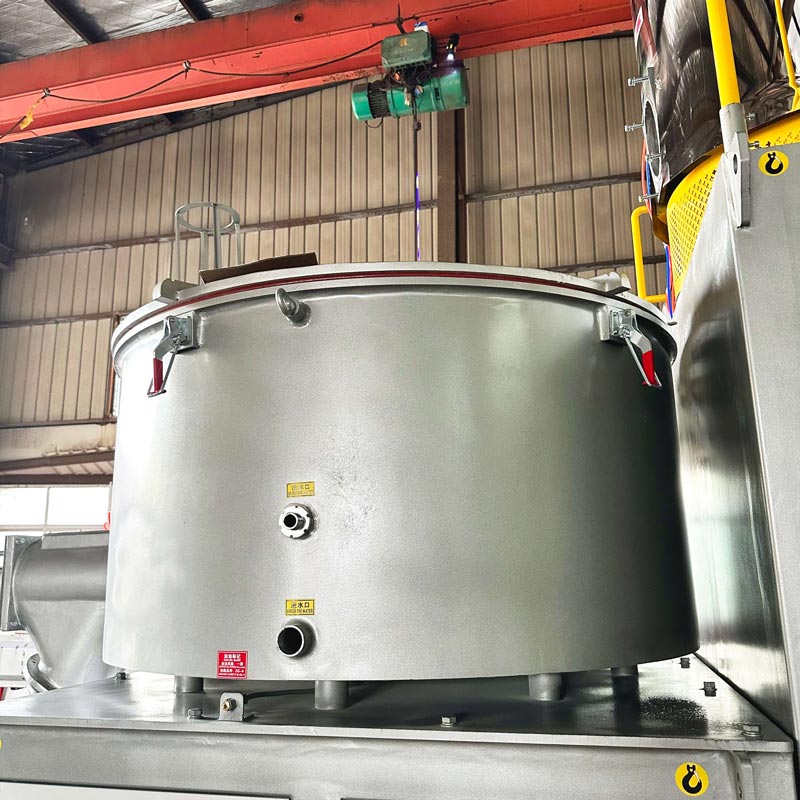
- Contact parts in SS304/SS316L optional; heavy-duty bowl with mirror-polished interior reduces residue and cross-contamination.
- Wear-resistant blade tips and reinforced bearing seats extend service life for abrasive fillers like CaCO3, TiO2, and glass beads.
- Double-lip mechanical seal and PTFE labyrinth for dust-tight, maintenance-friendly operation.
Process Engineering and Controls
- PID temperature control with high-accuracy RTD probes for stable setpoints during heating and cooling phases.
- PLC + HMI touch panel (Ethernet/IP, Modbus-TCP) with recipe management, batch traceability, alarms, and interlocks.
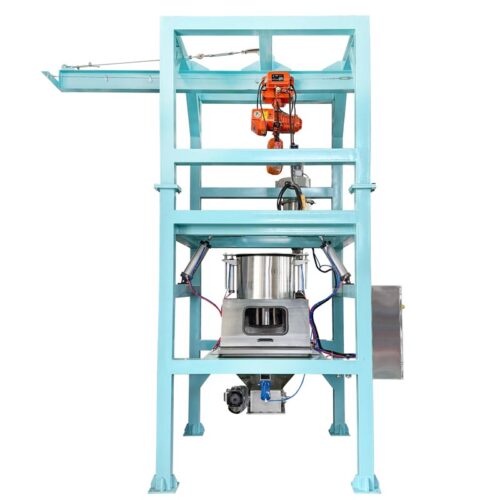
- Automatic feeding options: screw feeder, vacuum loader, and loss-in-weight dosing for resin, stabilizers, and pigments.
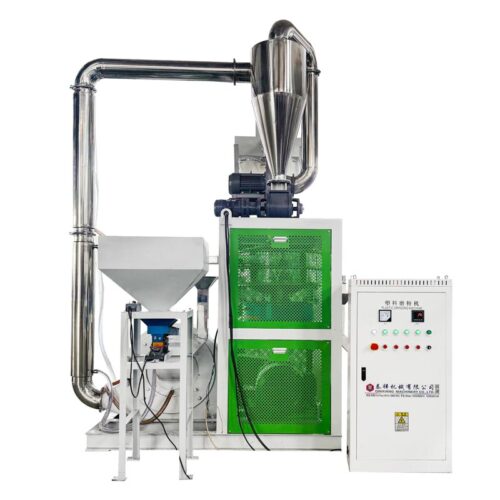
- Integrated dust extraction ports and optional inline filter keep work environment clean and compliant.
Applications and Industries
Building Materials and Construction
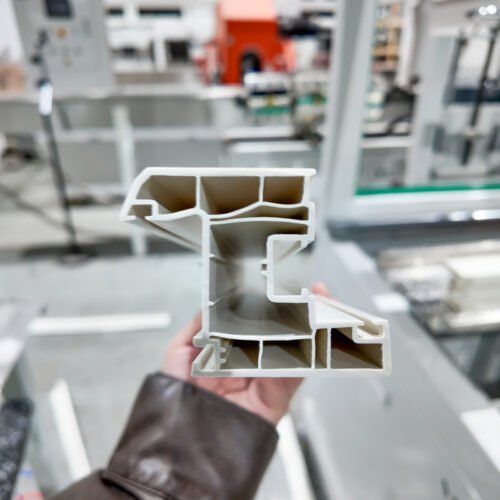
- PVC pipe and fitting compounds, cable conduit, window profiles, SPC/WPC flooring base, and CaCO3-filled masterbatch.
Furniture and Interior
- PVC edge banding, decorative film, rigid foam board formulations, and wood–plastic composites.
Automotive and Electrical
- Cable insulation and sheath compounds, automotive interior trims, sealing profiles, and under-hood accessory components.
Packaging and Consumer Goods
- Rigid packaging sheets, thermoforming grades, appliance parts, and color masterbatch for injection and extrusion.
Technical Specifications of SRL500/1000
Performance and Capacity
- Nominal hot mixer volume: 500 L; working volume: 60–70% depending on formulation.
- Cooling mixer volume: 1000 L with high-efficiency jacketed design.
- Typical batch size: 120–180 kg (PVC compound, formula-dependent).
- Cycle time: 6–12 minutes per batch (heating + cooling), enabling 800–1500 kg/h line throughput.
Mechanical Configuration
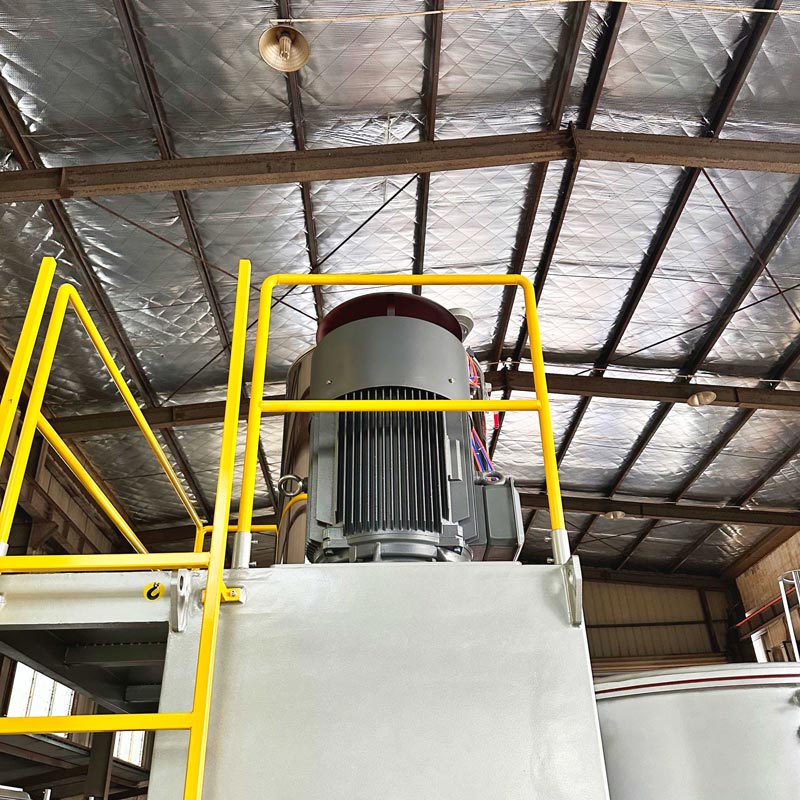
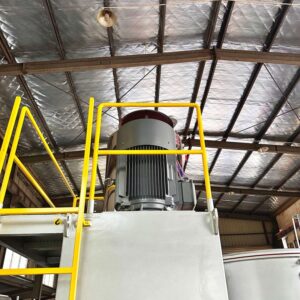
- Hot mixer drive: high-torque motor with frequency inverter, rotor speed up to 1200–1500 rpm (configurable).
- Cooling mixer drive: robust motor with optimized paddle design for fast heat extraction.
- Discharge: pneumatic or manual quick-release valve; optional inline sieve and magnet drawer.
- Sealing and bearings: heavy-duty bearing group with forced lubrication and dust barrier.
Controls and Connectivity
- PLC/HMI with recipe storage, batch counters, and quality events logging.
- Safety: lid interlock, over-temperature shutdown, motor overload protection, emergency stop.
- Connectivity: Ethernet/IP or Modbus-TCP for plant SCADA/MES; remote diagnostics ready.
Energy and Utilities
- Installed power (typical): 75–110 kW for hot mixer, 7.5–15 kW for cooling mixer (varies by configuration).
- Specific energy: optimized kWh per ton via VFD and intelligent temperature ramping.
- Air and dust extraction: DN150–DN200 ports for central dust collector; 0.5–0.7 MPa compressed air for actuators.
Note: Exact parameters may vary by recipe, options, and regional standards. Custom engineering available.
Customer Case

User Recognition and Market Validation
Customer Feedback
- Consistent batch-to-batch homogeneity reported by converters in PVC profile and pipe plants, reducing on-line adjustment and scrap.
- Noted 10–20% cycle time reduction versus legacy mixers due to improved blade geometry and heat exchange.
- Maintenance teams highlight easy access for cleaning, fewer seal changes, and reliable bearings under high-load, high-temperature duty.
Representative Case Studies
- Building profiles producer: boosted line throughput from 1.0 t/h to 1.3 t/h with stable gelation index and color consistency.
- Cable compounder: improved dispersion of stabilizers and flame retardants, lowering speck defects by 35%.
- WPC board manufacturer: achieved uniform filler distribution at higher filler ratios, maintaining surface quality and screw feeding stability.
Market Competitiveness
- Balanced CAPEX with premium process control, delivering lower total cost of ownership through energy savings and uptime.
- Flexible options (materials, drives, feeders) fit diverse formulas and regulatory needs in global markets.